
Treatment of Genetic disorders in Huizhou
Rehabilitation for genetic disorders is a particular direction. We do not treat the disease itself — that is outside the scope of rehabilitation medicine. The goal is to slow progression, preserve functional capacity, and improve the child's quality of life. NeuroLife Huizhou works with SMA, DMD, Down syndrome, Friedreich's ataxia, metachromatic leukodystrophy, and genetic epilepsies — in parallel with modern drug therapy (nusinersen, onasemnogene, gene therapy).
What is Genetic Disorders?
This category groups hereditary disorders of the nervous system and musculoskeletal system. Each has its own genetic mechanism (mutations in SMN1, the dystrophin gene, trisomy 21, GAA repeat in FXN, ARSA defect, etc.) and clinical picture. What unites them in our program is the common rehabilitation principle: supportive therapy aimed at preserving function.
We are transparent with parents on a key point: rehabilitation in a genetic disorder does NOT treat the cause — the DNA mutation remains. But rehabilitation gives a lot: slowing of functional decline, prevention of contractures and complications, maintenance of motor and cognitive skills, and psychological support for the family. Results vary by disease type and severity.
Program structure. First — detailed functional assessment using specialized scales: CHOP-INTEND for SMA, NSAA for DMD, general motor scales for Down syndrome and Friedreich's. In parallel we request records from the home neurologist/geneticist and align the plan — especially if the child is on modern drug therapy.
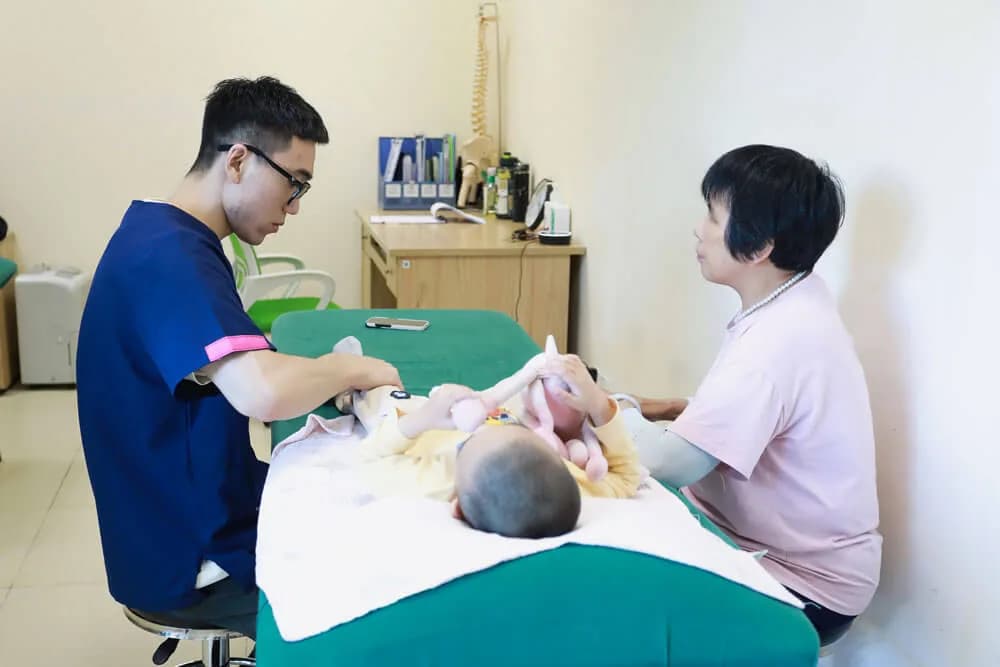
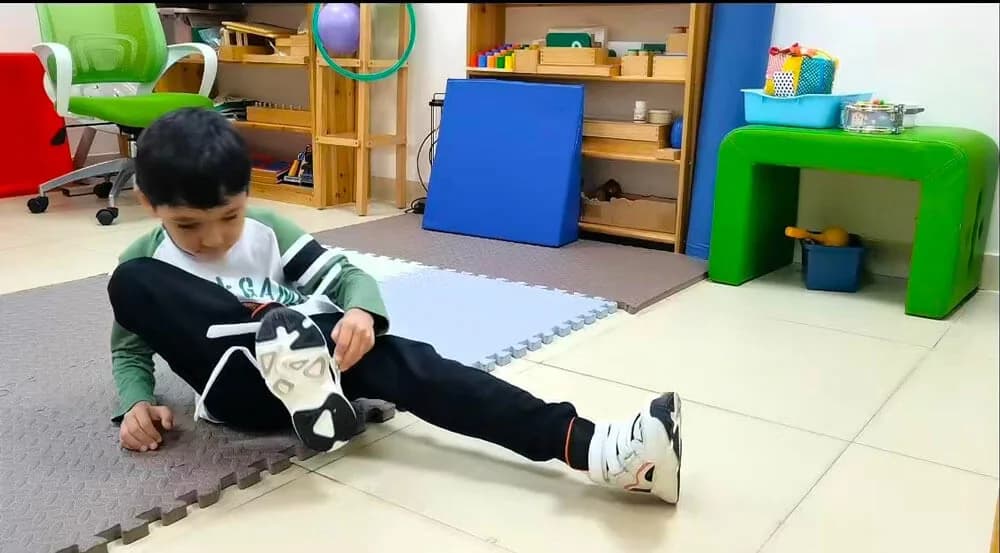
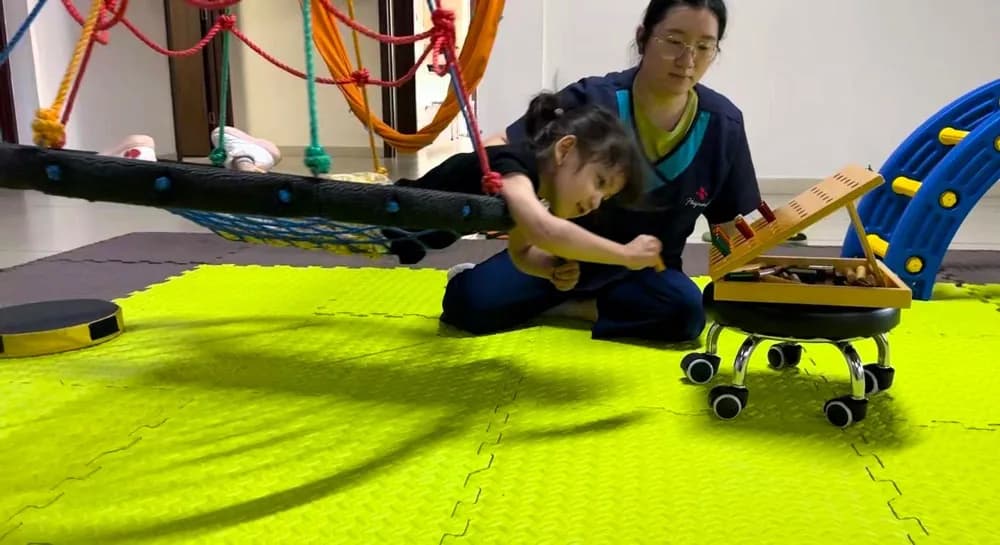
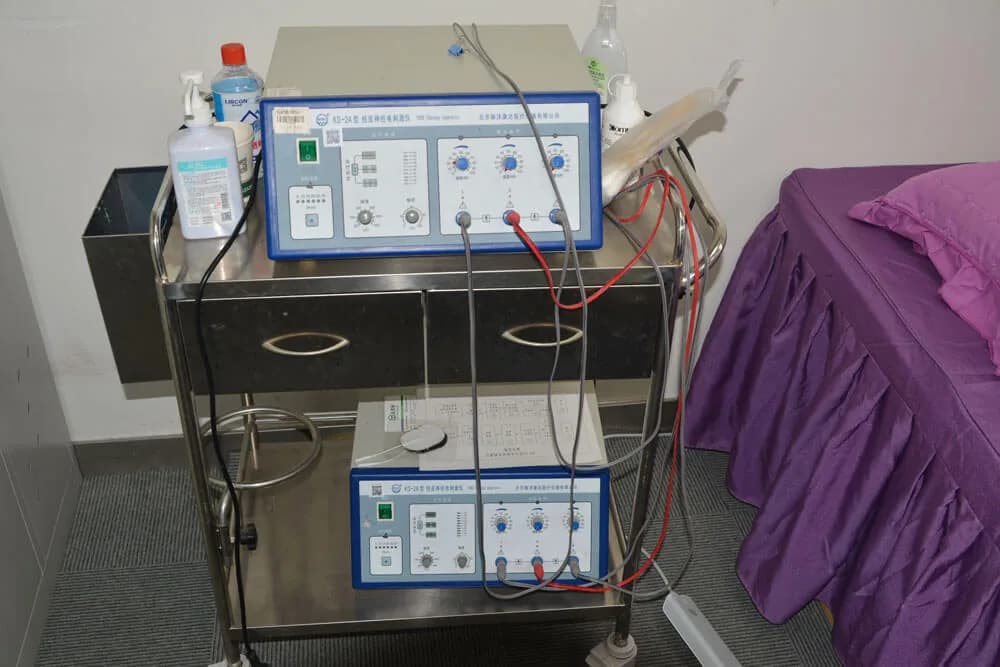
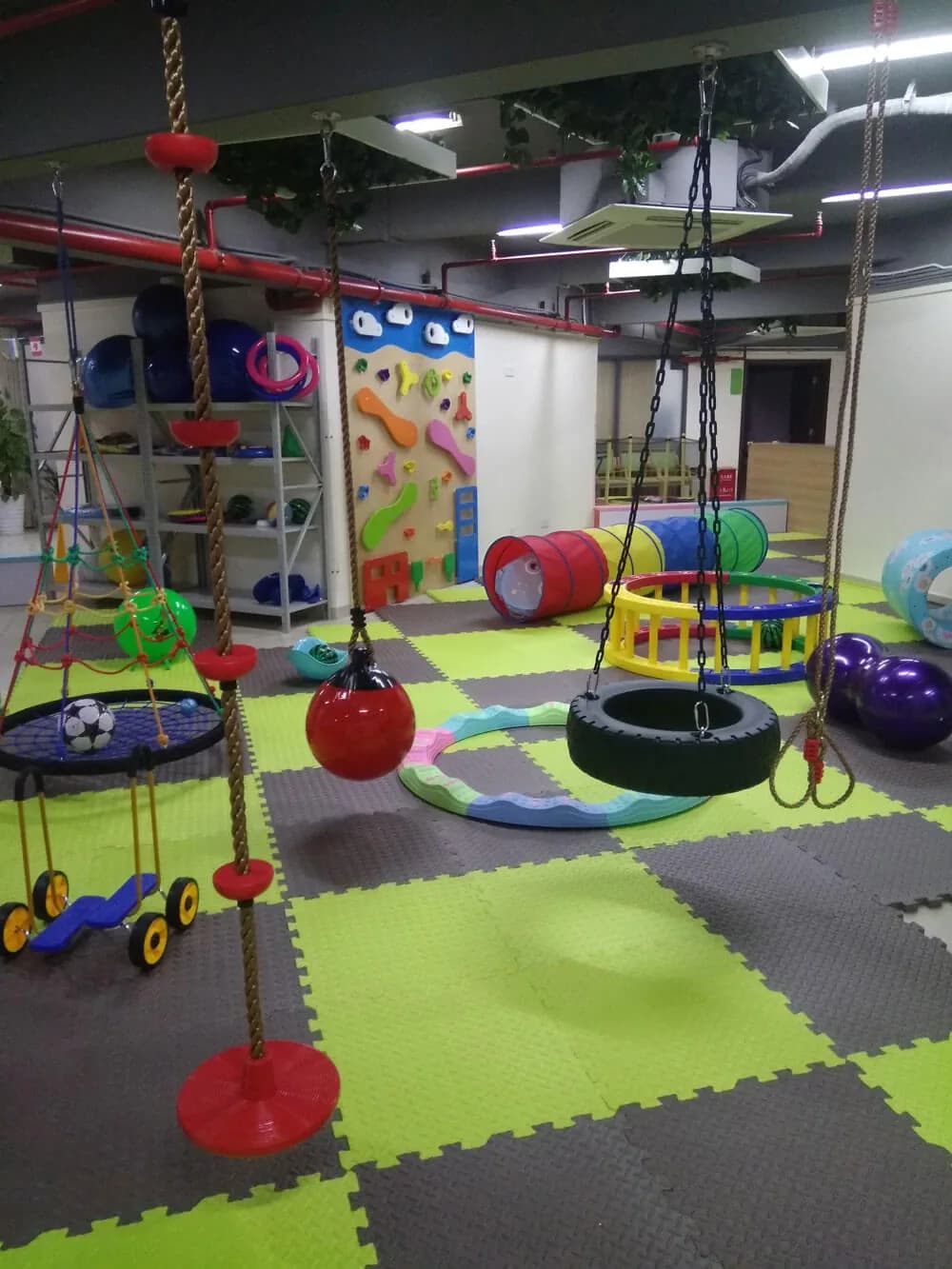
The core of the program is specialized PT (focused on contracture prevention, respiratory gymnastics for patients with progressive neuromuscular diseases), physiotherapy, and OT for daily-living adaptation. Sensory integration and psychomotor rehabilitation (PMT) — especially for children with Down syndrome and genetic epilepsy.
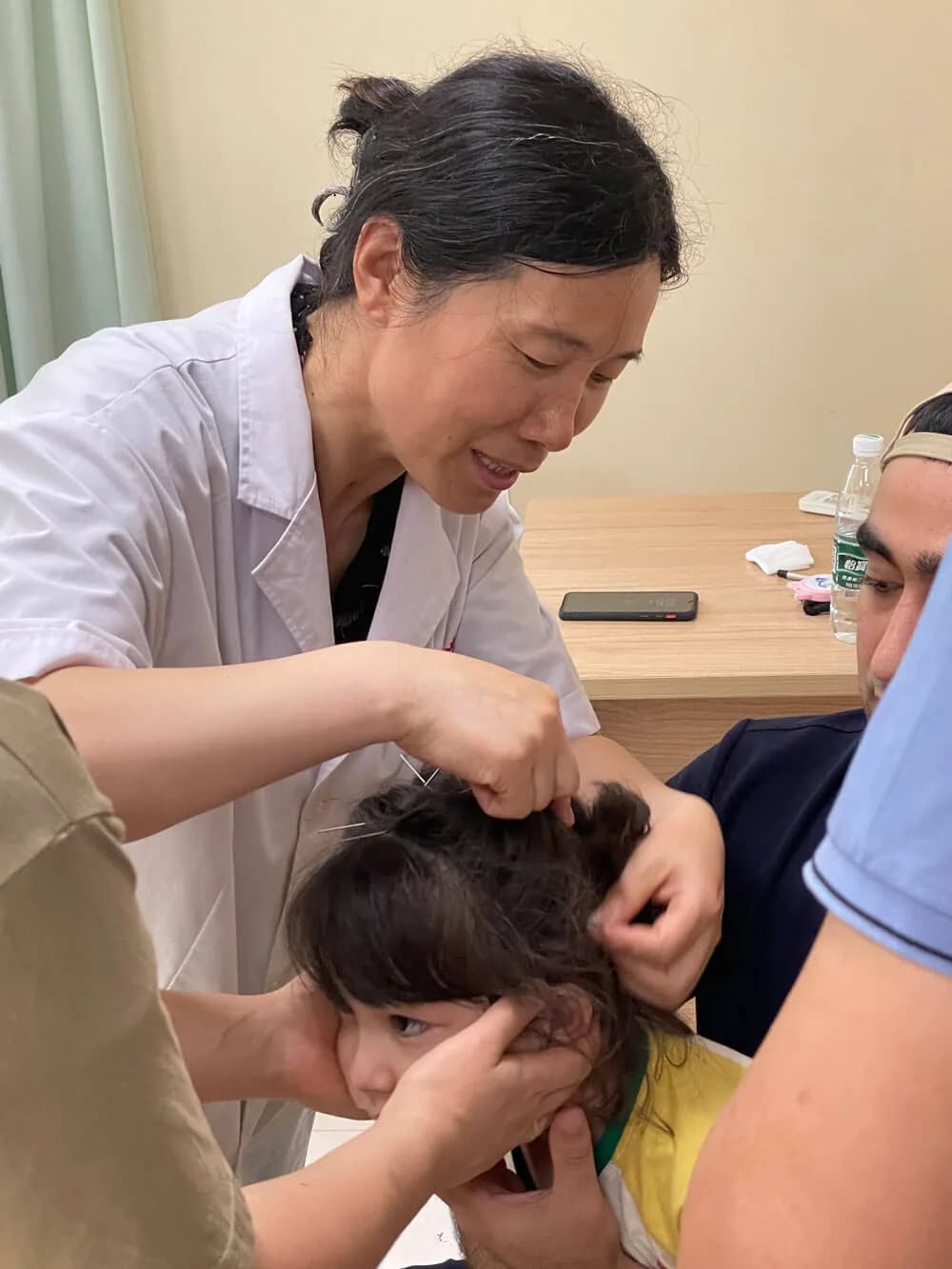
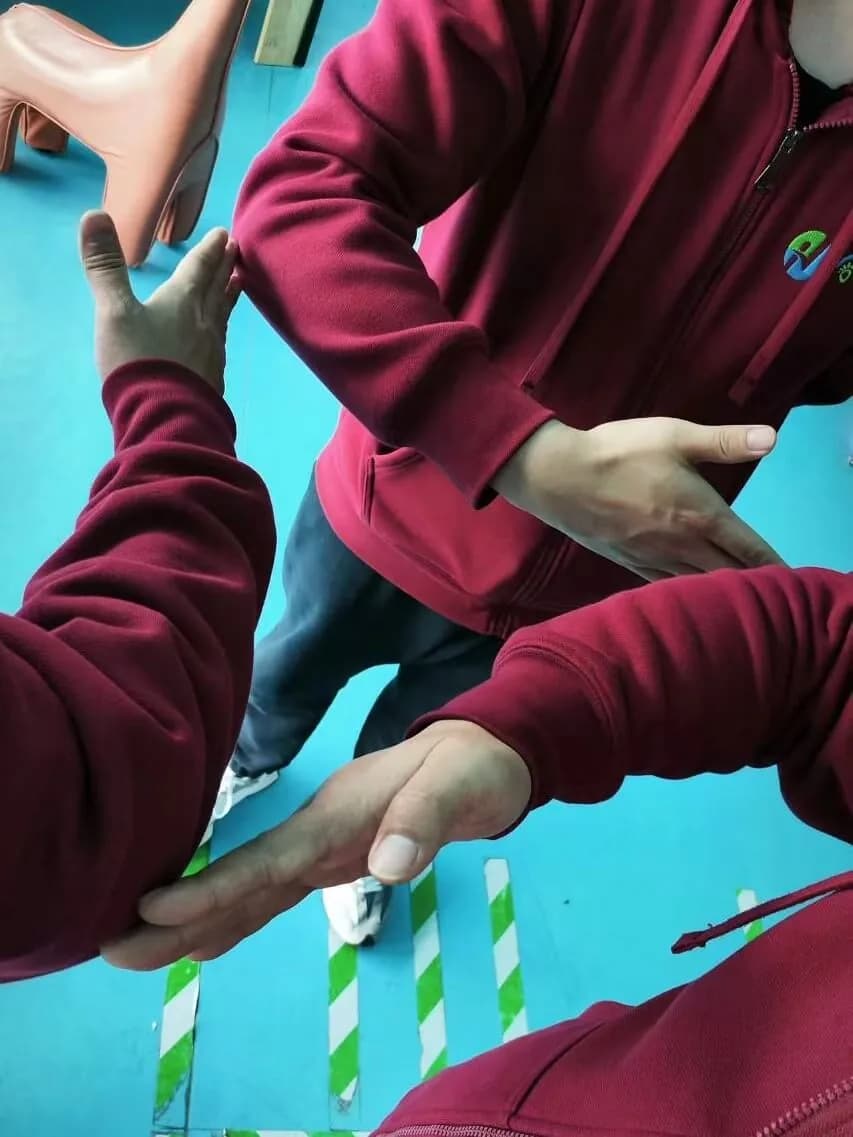
The Chinese layer. Acupuncture is used to maintain muscle tone (important in DMD and SMA), regulate the nervous system in epilepsy (with caution in genetic epilepsy), and support general state. Tuina massage normalizes tone. A separate section is individual herbal blends for general condition and immunity: in many genetic diseases recurrent infections (especially respiratory) are a leading risk factor. All herbs are certified, and the formulation is selected individually with full awareness of all concurrent therapy.
Coordination with global therapies. Modern medicine over the past 5–10 years has brought breakthroughs for several genetic diseases: nusinersen (Spinraza) and onasemnogene (Zolgensma) for SMA, gene therapy Libmeldy for metachromatic leukodystrophy, exon-skipping drugs for specific DMD forms. Our program complements this therapy — we understand how modern drugs affect motor activity and adapt rehabilitation accordingly.
Course length is typically 3 months, with mandatory repetition twice a year for the supportive effect. Between courses — a detailed home program. In most patients a sustained functional status or slowed progression is recorded compared with the no-rehabilitation forecast. From this hub page you can navigate to specific diagnoses with detailed information.
Causes
Hereditary mutations (autosomal recessive — SMA, leukodystrophy; autosomal dominant — Friedreich's; X-linked — DMD), chromosomal abnormalities (trisomy 21 — Down syndrome), de novo mutations (part of genetic epilepsies). Most manifest in early childhood. The diagnosis is established by genetic screening, usually BEFORE arrival at the clinic.
Symptoms
Depend on the diagnosis: muscle weakness and atrophy (SMA, DMD), motor and intellectual developmental delay (Down syndrome), progressive ataxia and coordination disturbances (Friedreich's), regression of previously acquired skills (metachromatic leukodystrophy), seizures of various types (genetic epilepsy). Frequently — recurrent infections, sleep disturbance.
Diagnostics
Genetic screening (targeted panels for SMA, DMD, Friedreich's, epilepsy panels, etc.) — typically performed at the home location BEFORE arrival. Additionally: MRI and EEG when indicated, enzyme diagnostics (e.g., ARSA for leukodystrophy), motor function assessment via specialized scales (CHOP-INTEND for SMA, NSAA for DMD). At our Huizhou clinic — functional re-assessment and rehabilitation plan.
Prognosis
Highly variable: in SMA on modern drug therapy (Spinraza, Zolgensma) — substantial life and motor-function prolongation; in Down syndrome — normal life expectancy with proper management; in Friedreich's — progressive disability in youth; in metachromatic leukodystrophy — serious prognosis without gene therapy; in genetic epilepsy — from full remission (BFNS) to drug-resistant forms. Rehabilitation slows functional decline and improves quality of life in all cases.
How we treat
Diagnostics
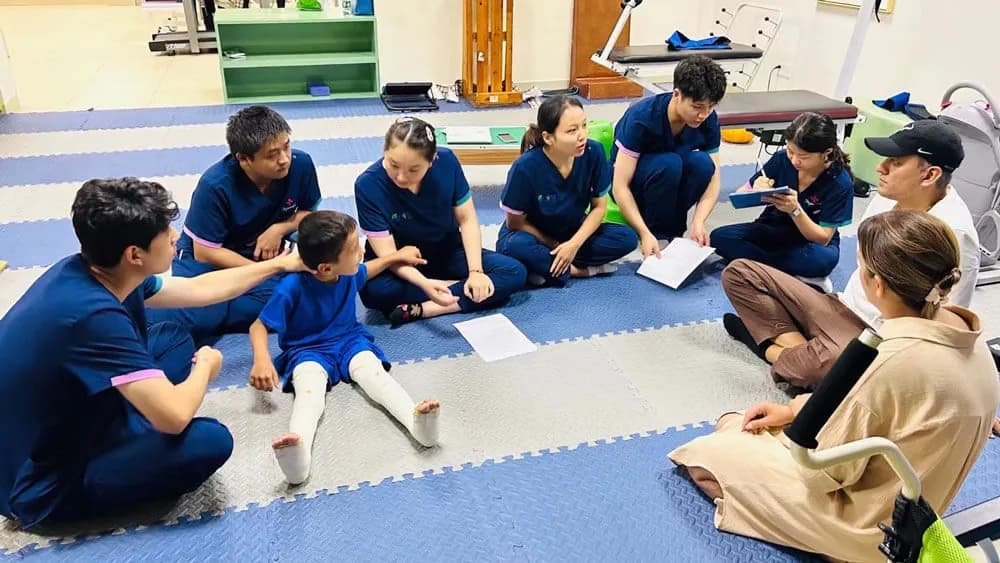
Comprehensive examination and patient assessment by an international team of specialists
Treatment plan
Development of an individual rehabilitation program considering diagnosis specifics
Therapy
Intensive course of procedures: physical therapy, massage, physiotherapy, acupuncture and other methods
Results
Progress evaluation, home recommendations and maintenance therapy plan
Specific diagnoses
Detailed information on each direction within this category
Procedures for treating Genetic Disorders
Questions about treatment of Genetic Disorders
Book a free consultation
A doctor will review your documents and provide recommendations within 30 minutes.