
Treatment of Genetic epilepsy in Huizhou
Genetic epilepsy syndrome rehabilitation (Dravet syndrome, Lennox-Gastaut, BFNS, and others) at NeuroLife Huizhou is built around **inter-ictal** work: maintaining motor and cognitive function, speech development, sensory integration. Acupuncture is used with caution and mandatory epileptologist consultation. All programs are coordinated with the treating neurologist and antiepileptic drug regimen.
What is Genetic Epilepsy?
Genetic epilepsy is a group of heterogeneous conditions caused by mutations in specific genes controlling neuronal ion channel function or brain development. ICD-10 code G40 (epilepsy), but the specific genetic syndrome is identified separately. The most significant include: Dravet syndrome (SCN1A mutations, a severe early-onset epileptic encephalopathy), Lennox-Gastaut syndrome (multiple seizure types, cognitive impairment), benign familial neonatal seizures (BFNS, KCNQ2 mutations — relatively favorable), and epilepsies with CDKL5, SCN2A, GRIN-related mutations and many others. Some are de novo, some — inherited.
Clinical presentation depends on the specific syndrome: seizure types and frequency, presence of developmental delay, behavioral features, possible intellectual disability. For example, in Dravet — fever-provoked prolonged seizures in the first year, then myoclonic, atypical absences, gradual developmental delay; in Lennox-Gastaut — tonic seizures, atypical absences, drop attacks, developmental delay; in BFNS — brief neonatal seizures often resolving with age.
Treatment of genetic epilepsies includes several streams. The base is antiepileptic drugs chosen for the specific syndrome (for example, in Dravet — valproate + clobazam, sodium channel blockers like carbamazepine are contraindicated). In some patients — the ketogenic diet (especially effective in Dravet, Lennox-Gastaut, GLUT1 deficiency syndrome). Specific targeted drugs are emerging — fenfluramine for Dravet, ganaxolone for CDKL5. In drug-resistant forms — vagus nerve stimulation (VNS) or surgery.
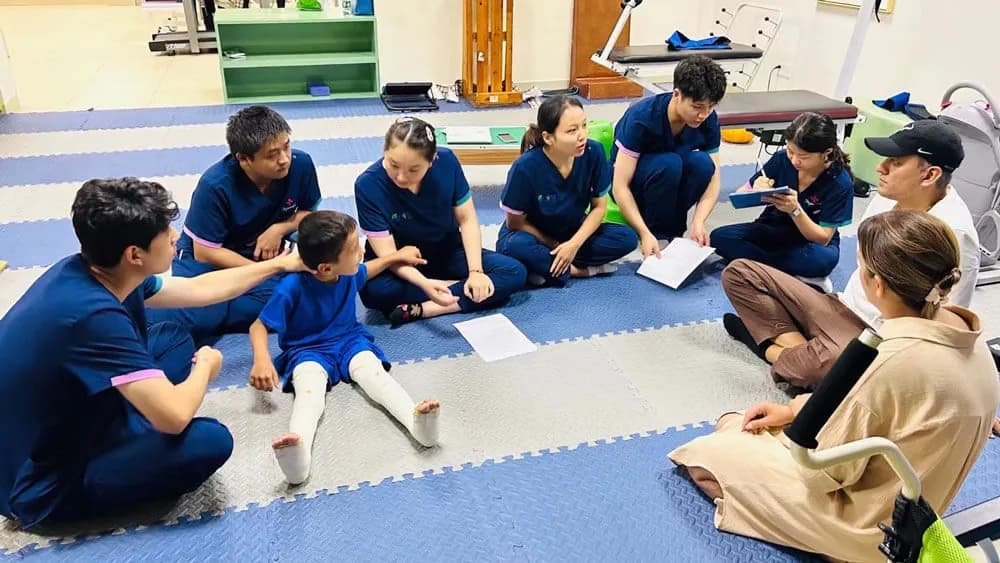
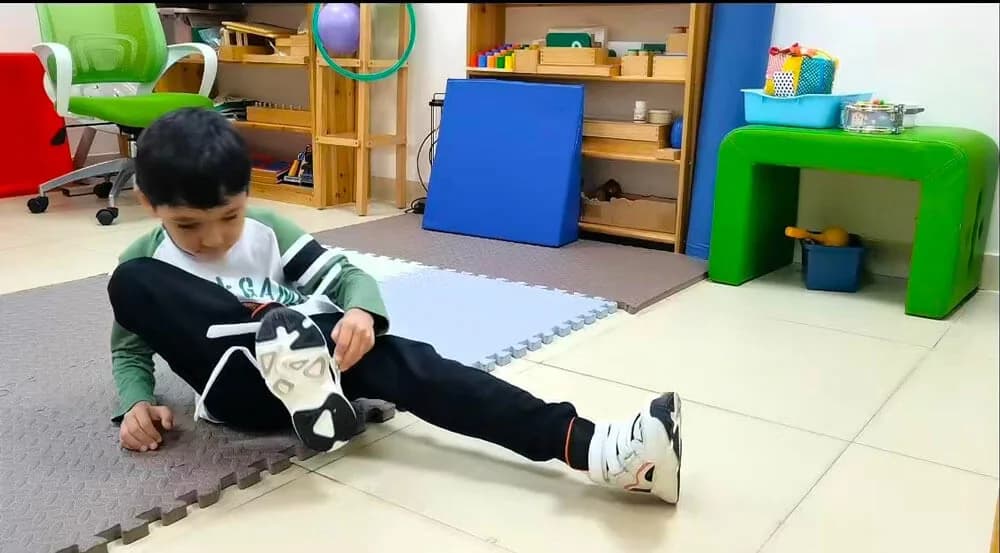
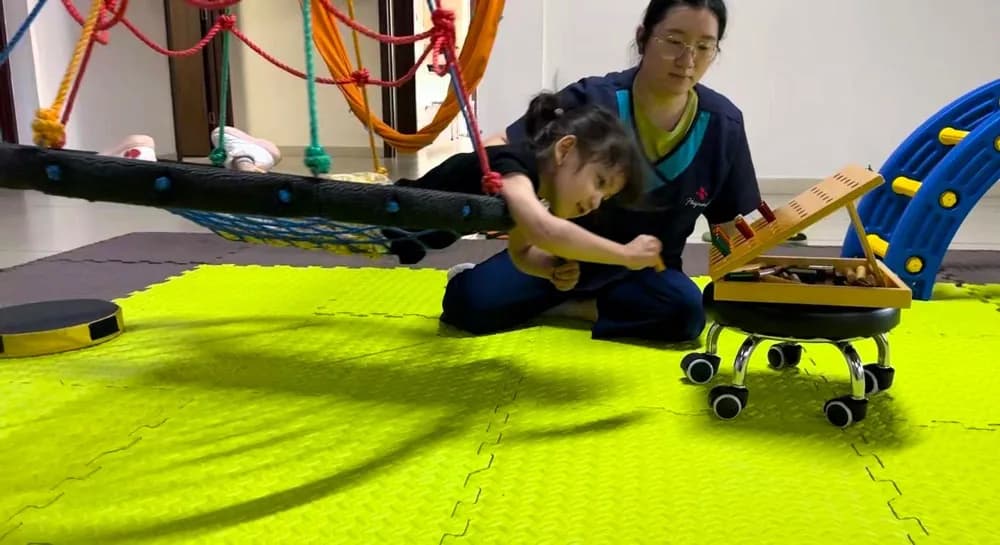
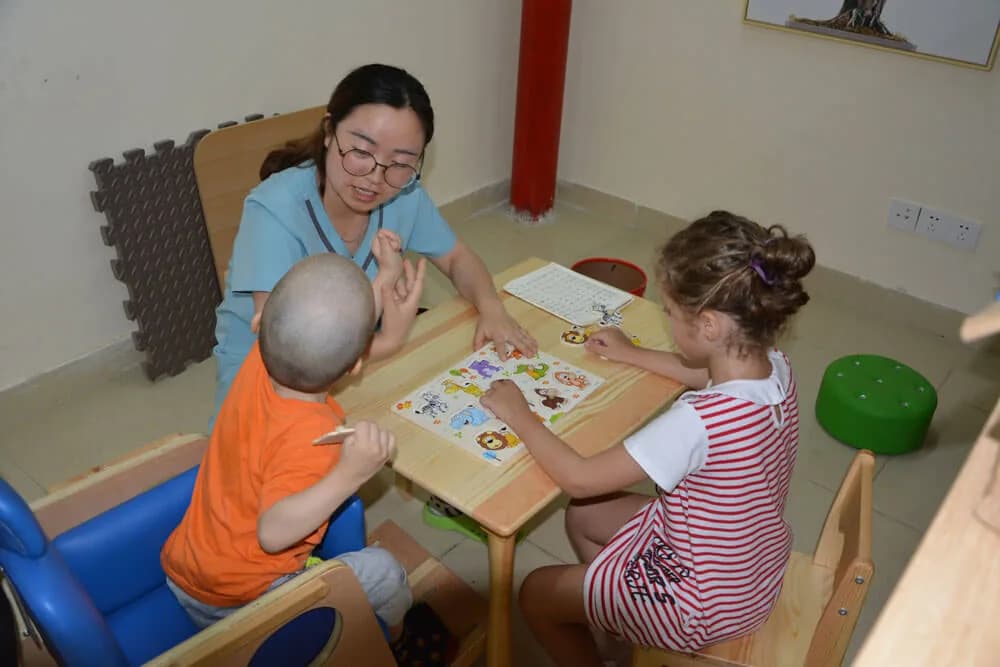
Rehabilitation plays a key role in the child's development between seizures. At NeuroLife Huizhou we build a gentle program around the current condition and seizure risk:
- Specialized therapeutic exercise — adapted to the stage and load tolerance;
- Occupational therapy — daily skills and adaptive aids;
- Speech therapy — speech stimulation;
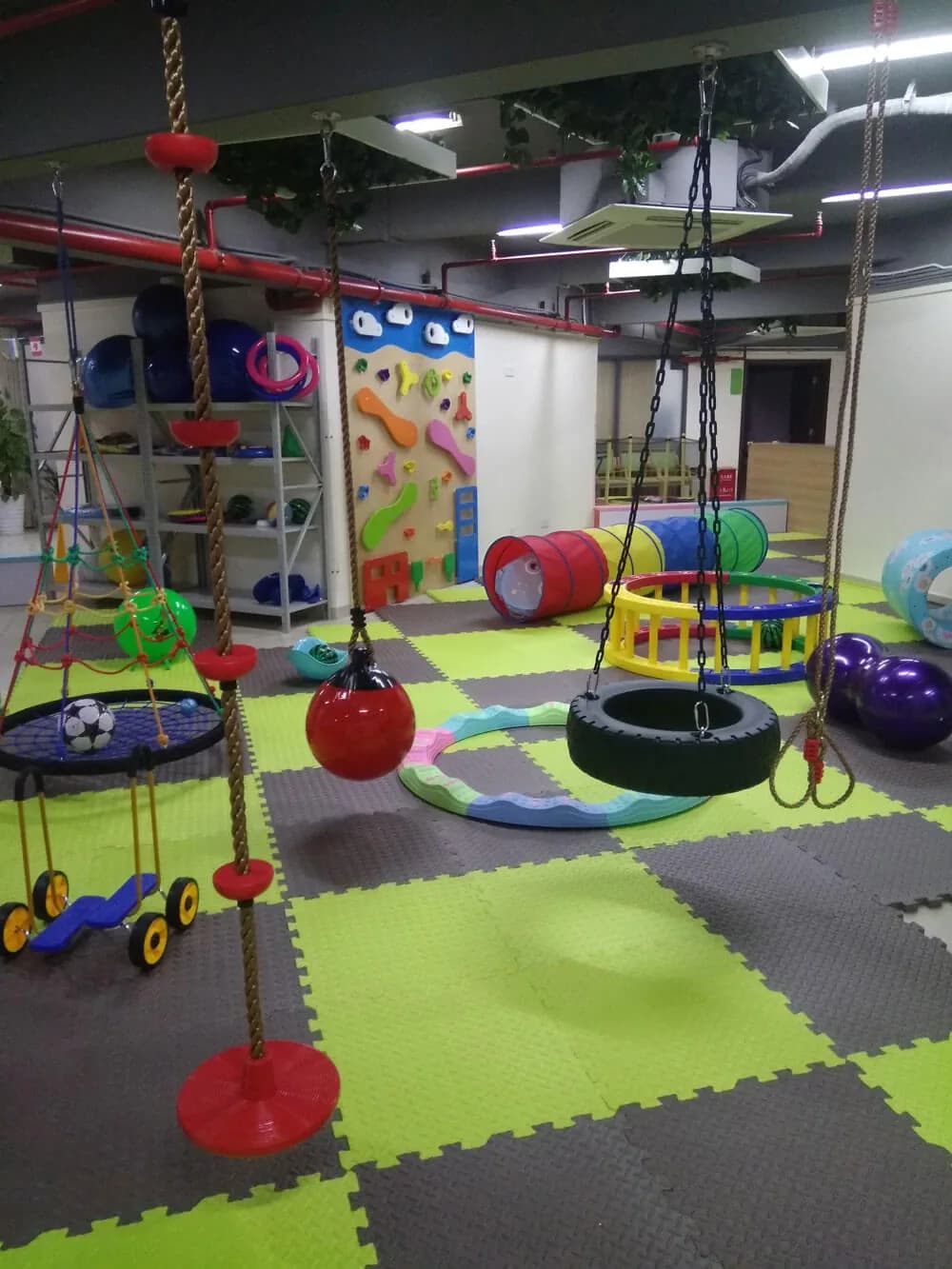
- Sensory integration in a calm environment — gentle techniques without over-stimulation, so as not to provoke seizures.
This is especially important for severe syndromes like Dravet and Lennox-Gastaut, where developmental delay requires continuous work. The program is always built in coordination with the treating epileptologist and around the current AED regimen; acupuncture is used with caution and, when necessary, excluded. It is compatible with the ketogenic diet, and all staff are trained in the seizure response algorithm for an event during a session.
Causes
Mutations in specific genes controlling neuronal ion channel function (SCN1A, SCN2A, KCNQ2 — channelopathies) or cortical development (CDKL5, MECP2). Some cases are inherited (dominant or recessive), some — de novo (newly arising mutations in parental gametes or in the embryo). With a family case — genetic counseling is recommended when planning the next pregnancy. Modern genetic panels identify the specific gene in 30–50% of cases, which is important for selecting optimal treatment.
Symptoms
Various epileptic seizure types (tonic-clonic, myoclonic, absence, tonic, drop attacks) — the specific set depends on the syndrome. Most syndromes feature variable psychomotor delay, behavioral features, autistic traits, and cognitive impairment. Some syndromes are mild (BFNS), others severe with progressive encephalopathy (Dravet, Lennox-Gastaut). Often — sleep disturbances, dysphagia, coordination problems.
Diagnostics
EEG (routine and prolonged video-EEG monitoring — the gold standard for seizure type and epileptiform activity). Brain MRI to rule out structural causes and assess brain development. Genetic testing — targeted panel or whole-exome sequencing to identify the specific mutation. Metabolic screening (rule out metabolic epilepsies). In young children — psychomotor development assessment, Bayley scales. Regular lab tests for AED monitoring.
Prognosis
Prognosis depends radically on the specific syndrome. BFNS usually resolves with age without significant consequences. Dravet and Lennox-Gastaut are lifelong, with drug resistance in some patients and progressive developmental delay; life expectancy is reduced due to SUDEP (sudden unexpected death in epilepsy) and complications. Modern AEDs, ketogenic diet, and targeted drugs (fenfluramine, ganaxolone) significantly improve seizure control. Regular rehabilitation is critical for development and quality of life.
How we treat
Diagnostics
Comprehensive examination and patient assessment by an international team of specialists
Treatment plan
Development of an individual rehabilitation program considering diagnosis specifics
Therapy
Intensive course of procedures: physical therapy, massage, physiotherapy, acupuncture and other methods
Results
Progress evaluation, home recommendations and maintenance therapy plan
Procedures for treating Genetic Epilepsy
Questions about treatment of Genetic Epilepsy
Related diagnoses
Other directions in this category — pick the most relevant one
Book a free consultation
A doctor will review your documents and provide recommendations within 30 minutes.