
Treatment of MLD in Huizhou
In metachromatic leukodystrophy (MLD) rehabilitation plays a supportive role — it does not treat the cause but slows the loss of functional capabilities and significantly improves the quality of life of the child and family. In Huizhou we build the program based on stage and form (late-infantile, juvenile, adult), coordinate with the treating neurologist, and — for the appropriate phenotype — with global gene therapy teams.
What is Metachromatic Leukodystrophy?
Metachromatic leukodystrophy (MLD) is a rare inherited lysosomal storage disease. ICD-10 code E75.2. The underlying cause is an autosomal recessive mutation in the ARSA gene on chromosome 22q13.33, leading to deficiency of the enzyme arylsulfatase A. Without active enzyme, sulfatides (components of myelin sheaths) accumulate in lysosomes of oligodendrocytes and Schwann cells, producing progressive demyelination of the central and peripheral nervous system. Incidence is 1 in 40000–160000 depending on the population.
Three clinical forms are distinguished by age of onset — late-infantile, juvenile, and adult; they differ in the rate of progression and in the set of first symptoms (more detail in the cards below). Each form calls for its own approach to supportive rehabilitation.
Since 2020 the gene therapy Libmeldy (atidarsagene autotemcel) has been approved in Europe and a number of other countries — it is applicable for presymptomatic late-infantile and early juvenile forms and, for the first time, makes it possible to halt progression. The drug is not yet available everywhere and requires strict selection criteria, so for most families the main resource remains supportive rehabilitation.
At NeuroLife Huizhou we build the supportive program around the form and stage of the disease, combining Western techniques with TCM:
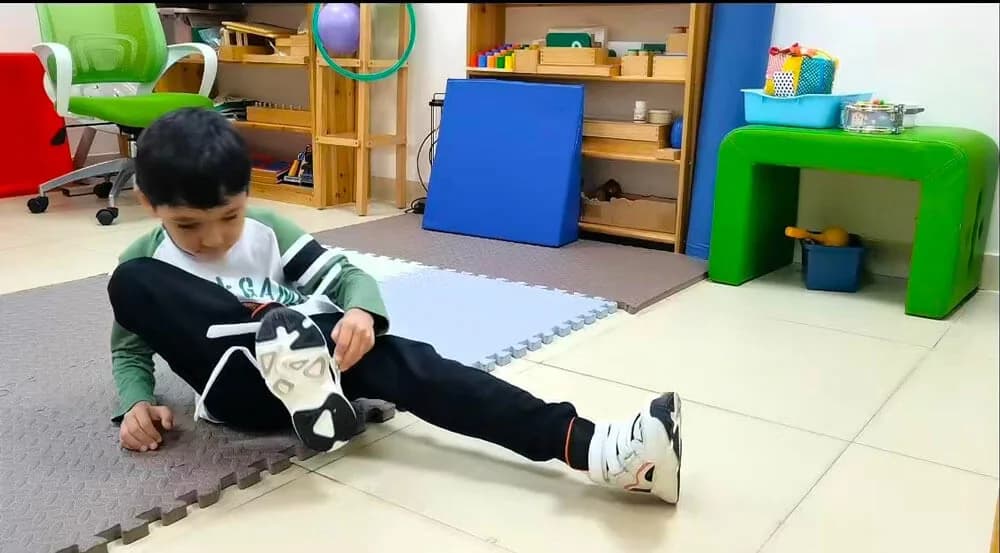
- Specialized therapeutic exercise — slowing functional decline and preventing secondary complications (contractures, pain, immobility);
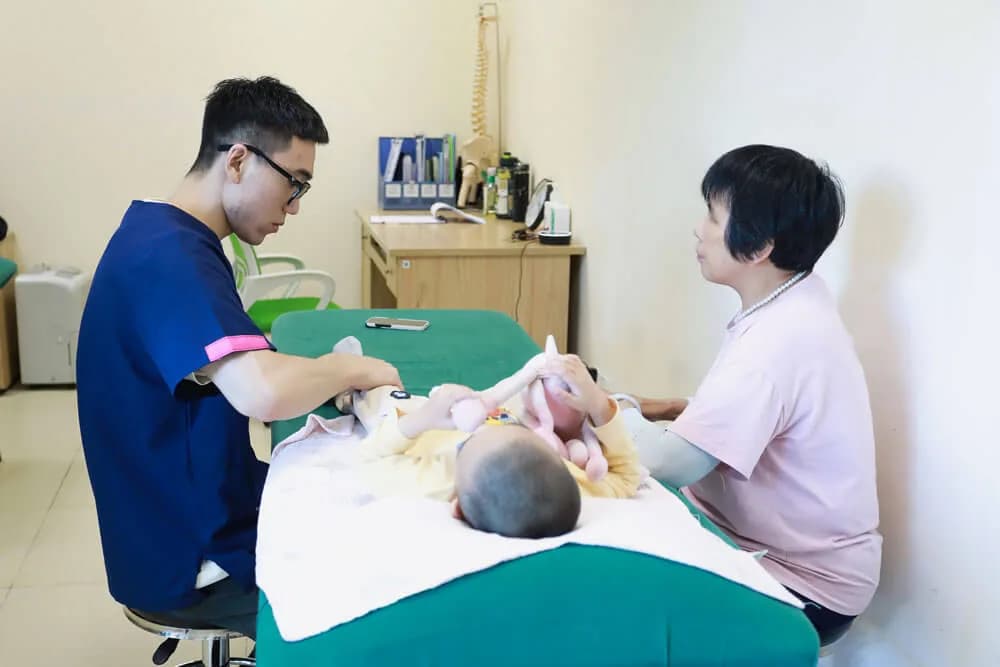
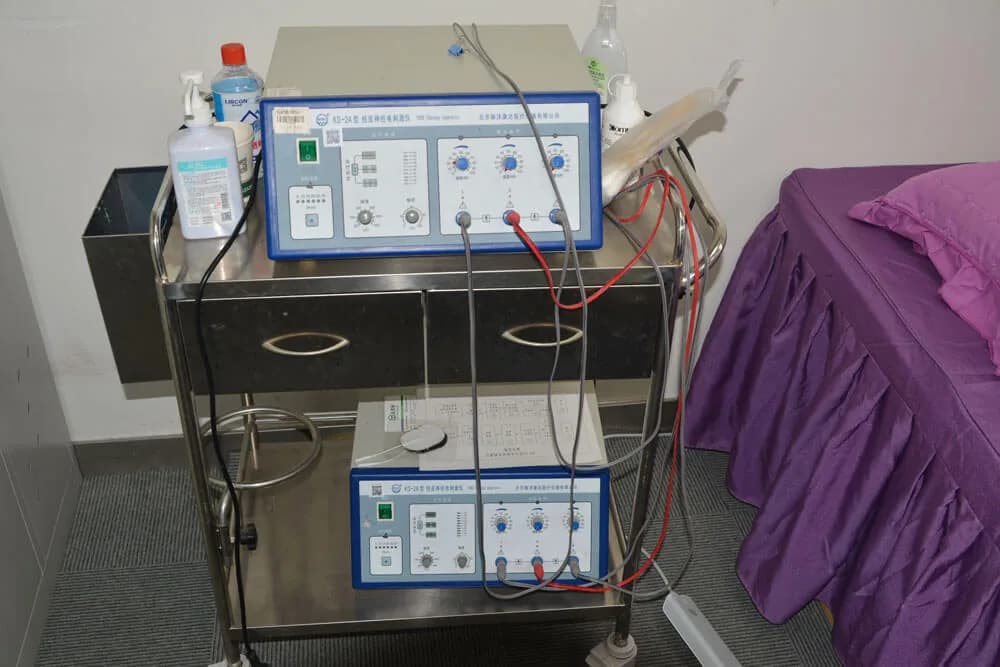
- Physiotherapy — maintaining mobility and relieving spasticity;
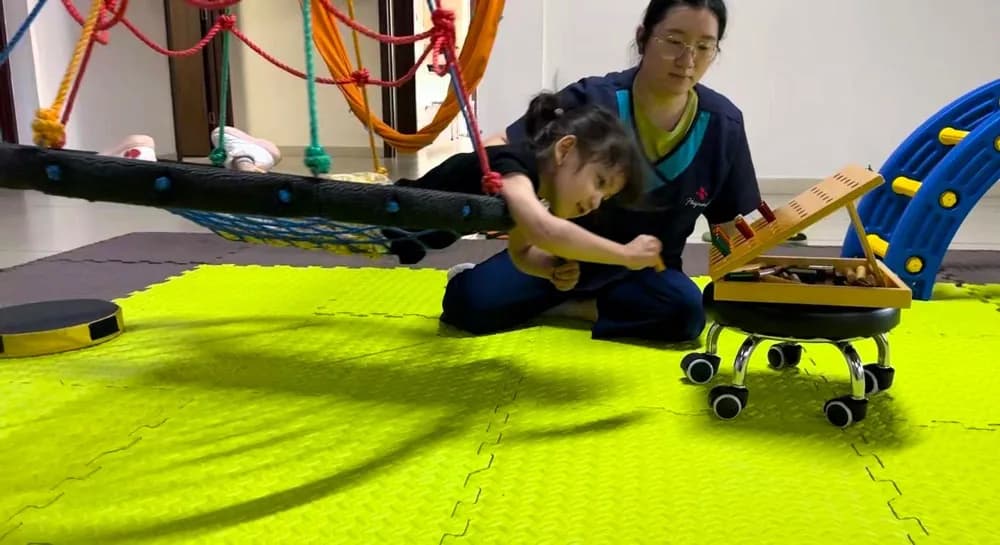
- Occupational therapy — adapting the home environment to the child's current capabilities;
- Swallowing and speech work — as far as possible, with prevention of aspiration complications;
- TCM — gentle approaches for general condition, immunity support, and sleep normalization.
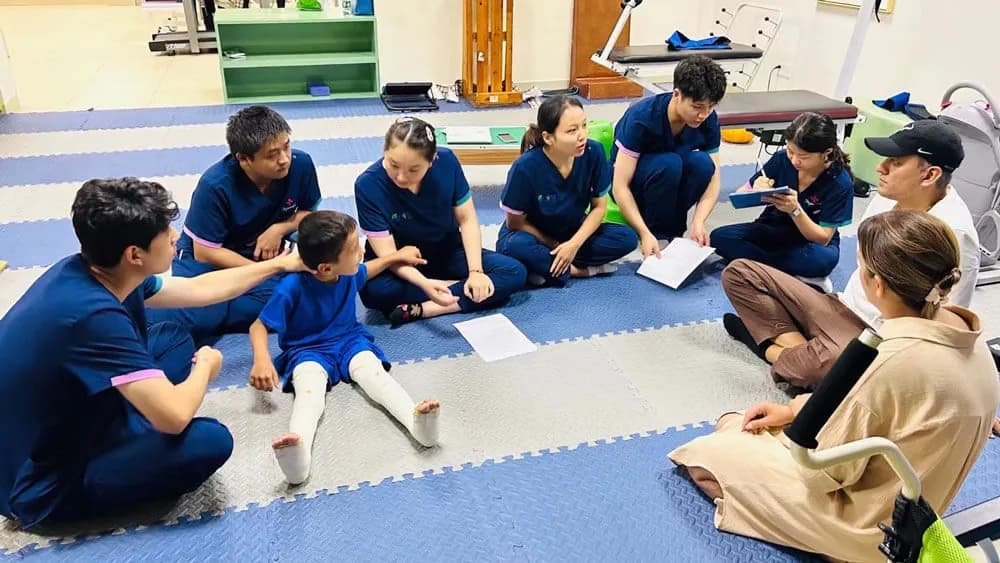
The program is built multidisciplinarily and in coordination with the treating neurologist, and — as the disease progresses — with a palliative care team. For families with the appropriate phenotype we help with routing to gene therapy: referral to specialized centers and preparation of documents for review.
Causes
Autosomal recessive mutation in the ARSA gene on chromosome 22q13.33, encoding the enzyme arylsulfatase A. Enzyme deficiency leads to sulfatide accumulation in nerve cell lysosomes. Less commonly the cause is a mutation in PSAP (saposin B deficiency). Phenotype severity depends on mutation type and residual enzyme activity — this determines which form (late-infantile, juvenile, adult) presents. Carrier rate — about 1 in 100–200.
Symptoms
Late-infantile form: regression of previously acquired motor skills (the child unlearns to walk, sit), then — spasticity, dystonia, peripheral neuropathy, seizures, loss of speech and cognition. Juvenile form: behavioral disturbances and school decline, gradually — ataxia, dysarthria, incontinence. Adult form: onset with psychiatric symptoms (psychosis, depression, personality changes), then — motor disturbances. All forms feature gait and tone disturbances and gradual cognitive decline.
Diagnostics
Lab — measurement of arylsulfatase A activity in leukocytes or fibroblasts (gold standard). Confirmation — ARSA genetic analysis. Brain MRI — characteristic patterns of diffuse symmetric demyelination in periventricular white matter, corpus callosum, cerebellum. EMG and nerve conduction — signs of demyelinating neuropathy. Urinary sulfatides (elevated). When diagnosing the juvenile or adult forms — assessment of psychiatric and cognitive profile.
Prognosis
Without therapy the prognosis is serious, especially for the late-infantile form (childhood mortality). The juvenile form progresses more slowly, with life expectancy in decades. The adult form is the slowest. The arrival of gene therapy (Libmeldy since 2020) changes the situation for presymptomatic late-infantile and early juvenile forms — for the first time progression can be stopped. Rehabilitation without gene therapy is supportive but significantly improves quality of life and reduces secondary complications.
How we treat
Diagnostics
Comprehensive examination and patient assessment by an international team of specialists
Treatment plan
Development of an individual rehabilitation program considering diagnosis specifics
Therapy
Intensive course of procedures: physical therapy, massage, physiotherapy, acupuncture and other methods
Results
Progress evaluation, home recommendations and maintenance therapy plan
Procedures for treating Metachromatic Leukodystrophy
Questions about treatment of Metachromatic Leukodystrophy
Related diagnoses
Other directions in this category — pick the most relevant one
Book a free consultation
A doctor will review your documents and provide recommendations within 30 minutes.