
Psychomotor Therapy (PMT)
PMT supports holistic development through art, play and cooperative interaction. Neither pharmacological nor physiotherapeutic.
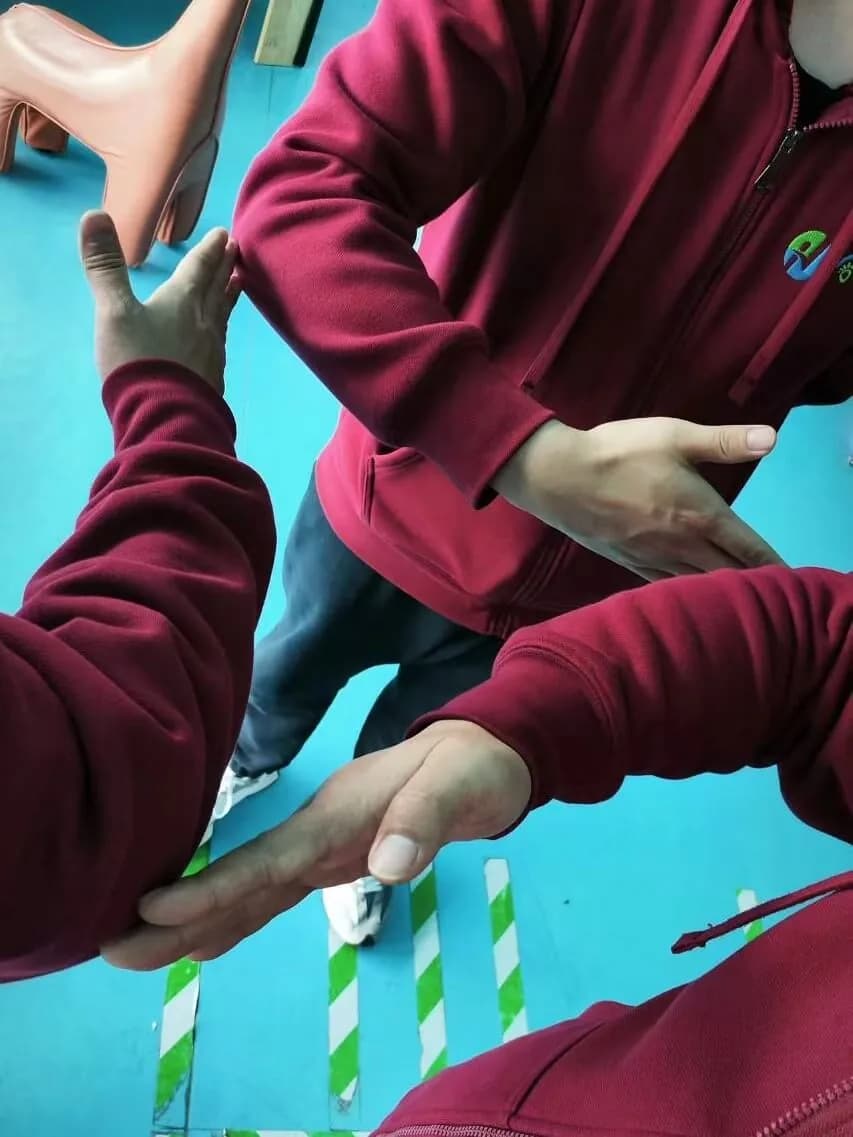
How the procedure works
Psychomotor therapy (PMT) is a French method built on psychology, rehabilitation medicine, pedagogy, sociology and human development science. PMT employs games, sports activities and the arts (dance, painting, sculpture, music, theatre, cinema, circus arts, body percussion) for what its founders call «body-psychic restructuring». Unlike PT, OT, speech therapy or psychotherapy, PMT addresses brain and body functions in unison. Its four conceptual pillars are empathy, adaptation, relationships and non-verbal communication. The programme covers five functional clusters: motor (gross and fine motor, coordination), non-verbal communication (emotional muscle tone, social interaction), executive functions (inhibition, working memory, flexibility, attention), sensory integration (vision, hearing, touch, proprioception, interoception) and body awareness (body schema, body intention). PMT is effective for learning difficulties, developmental coordination disorder, high-functioning autism, ADHD, emotional and behavioural disorders, anxiety, cerebral palsy, paediatric and adolescent depression. The method pairs well with PT, OT, speech therapy and educational rehabilitation.
Psychomotor assessment
The state of all five functional clusters is recorded: motor, emotional, executive, sensory and body awareness.
Individual and group sessions
Obstacle games, jump rope, ball play, role-playing, group interaction, dance, music and drama elements.
Home support
Parents learn how to embed sensorimotor pauses into daily life: a dance after school, rhythm games, breathing exercises.
How Sessions Look
Indications and contraindications
Indications
Contraindications
Who performs the procedure

Chen Difeng陈迪峰
Instructor. Specialization: PMT. Psychomotor rehabilitation.

Lyu Haining
Russian Interpreter
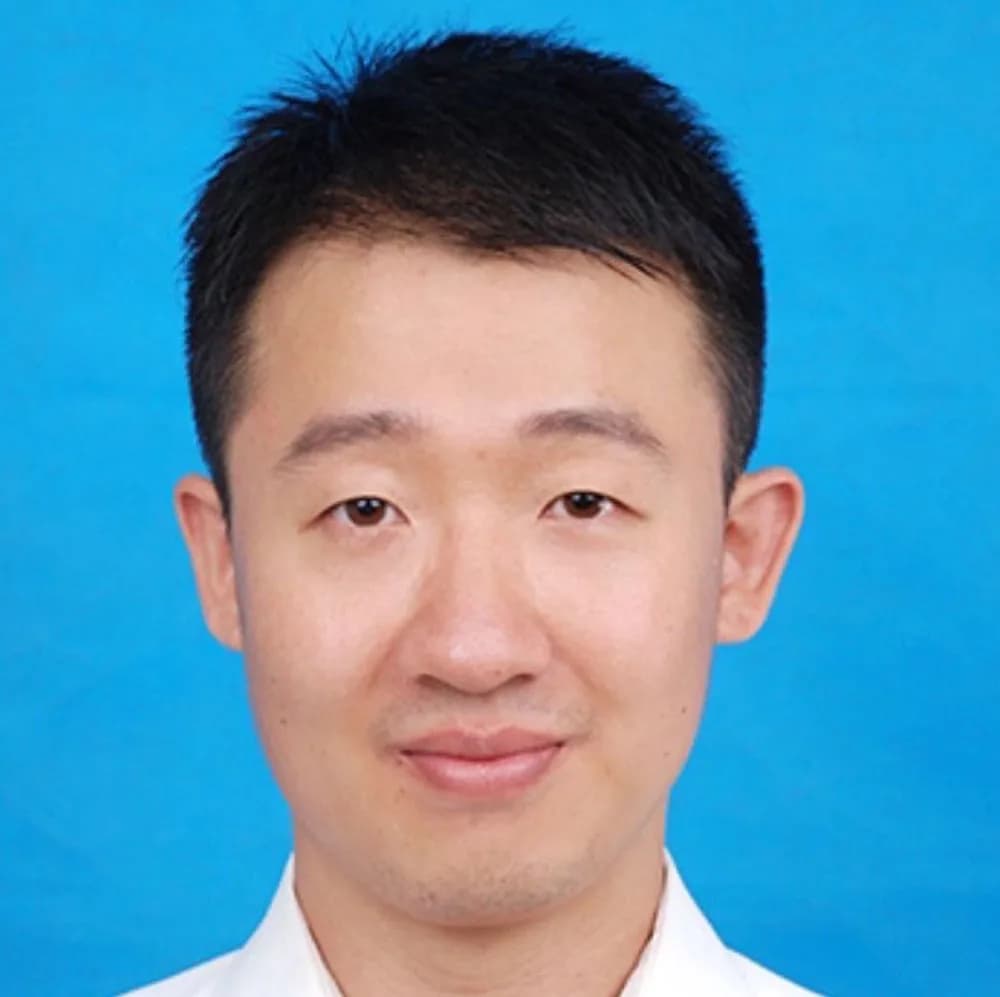
Ye Haibo
Russian Interpreter
What diagnoses it helps with Psychomotor Therapy (PMT)
Book a free consultation
A doctor will review your documents and provide recommendations within 30 minutes.