Treatment of Down syndrome in Huizhou
Down syndrome (trisomy 21) rehabilitation at NeuroLife Huizhou is early comprehensive intervention: specialized therapeutic exercise targeting hypotonia, occupational and speech therapy, sensory integration, behavioral therapy, and a mandatory parent school. In parallel — Chinese medicine for immunity support: children with DS get sick often, and any immune system support directly improves quality of life.
What is Down Syndrome?
Down syndrome is the most common chromosomal disease, with an incidence of 1 in 700–1000 newborns. ICD-10 code Q90 with subforms: Q90.0 (simple trisomy 21, 95%), Q90.1 (mosaic form, 1–2%), Q90.2 (translocation form, 3–4%). Risk increases with maternal age: 1:300 after 35, 1:30 after 45.
The clinical picture combines a characteristic phenotype (facial features, hypotonia at birth, brachycephaly), intellectual disability (mild to moderate), and a set of associated conditions: congenital heart defects in 40–50% (atrioventricular canal, VSD), vision and hearing impairments, hypothyroidism, atlanto-occipital instability, elevated risk of leukemias and Alzheimer-like dementia in adulthood.
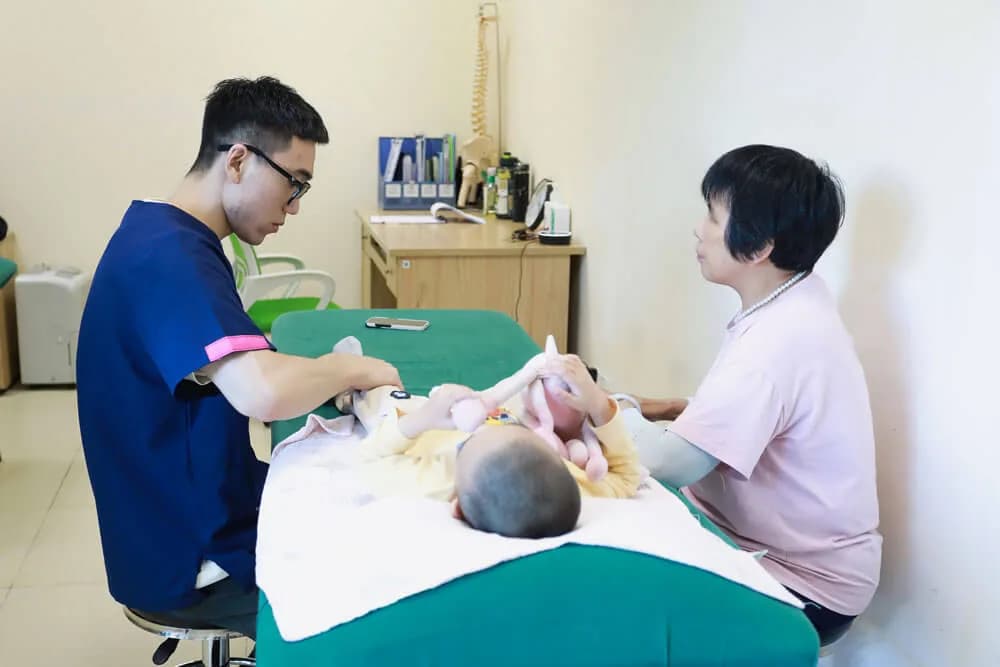
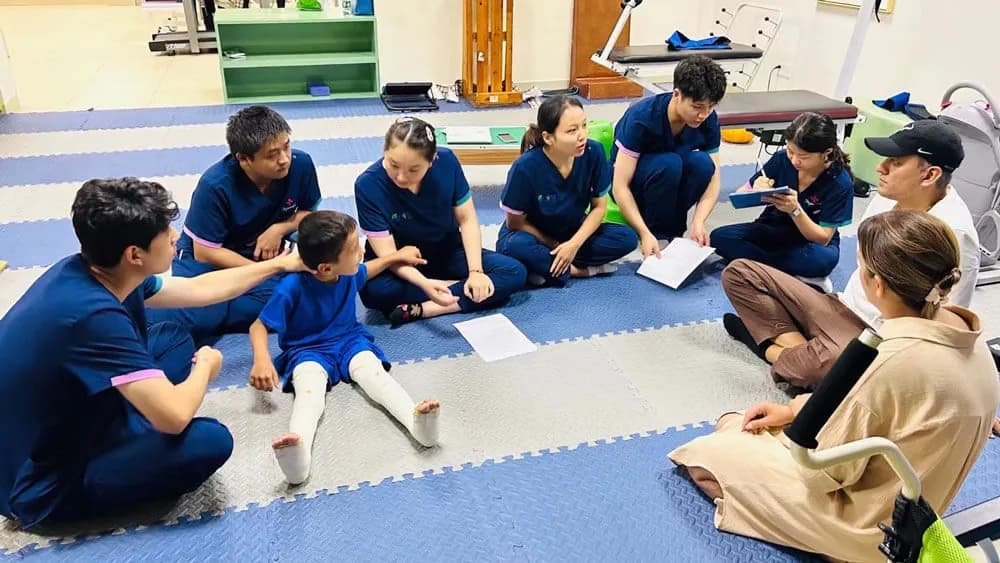
The key to success is early intervention in the first 0–3 years of life. At NeuroLife Huizhou we build the program individually around an assessment of the initial state (motor development, speech, cognitive functions, sensory profile). The course lasts 3 months of intensive work with a home program and combines:
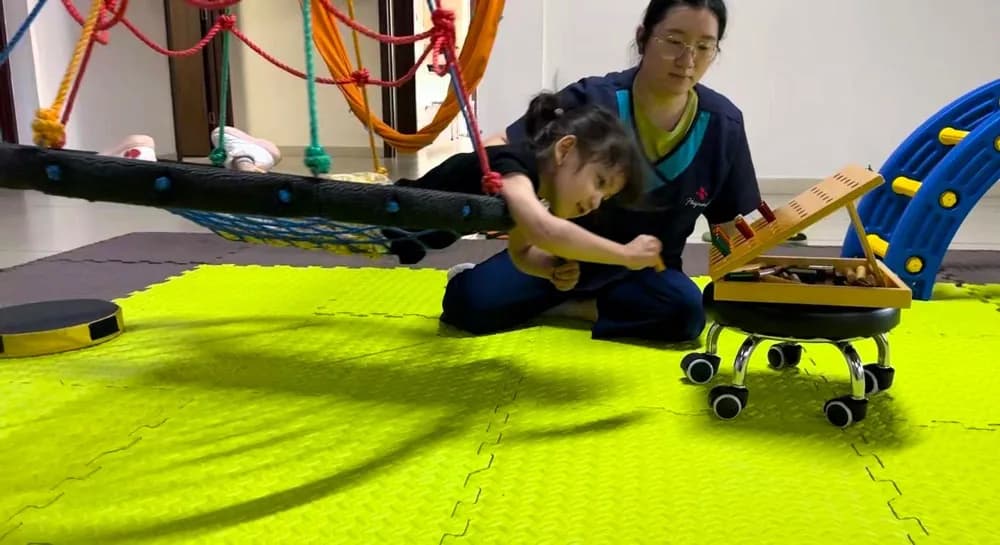
- Specialized therapeutic exercise — hypotonia work requires a special approach: slow, careful building of movement patterns to avoid compensatory loading of the joints;
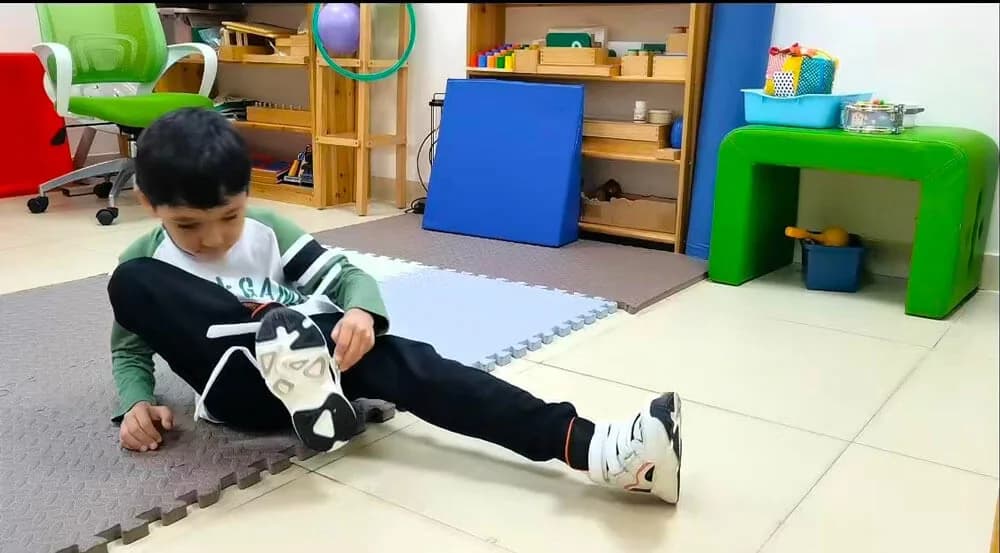
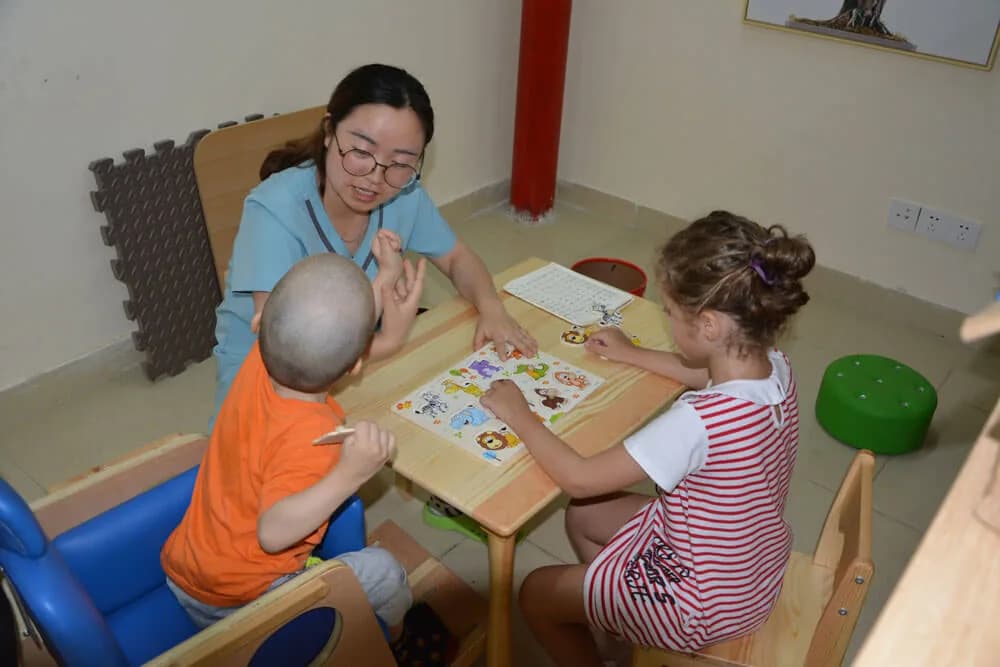
- Occupational therapy — daily-living skills, fine motor skills, self-care;
- Speech therapy — speech stimulation and dysarthria work;
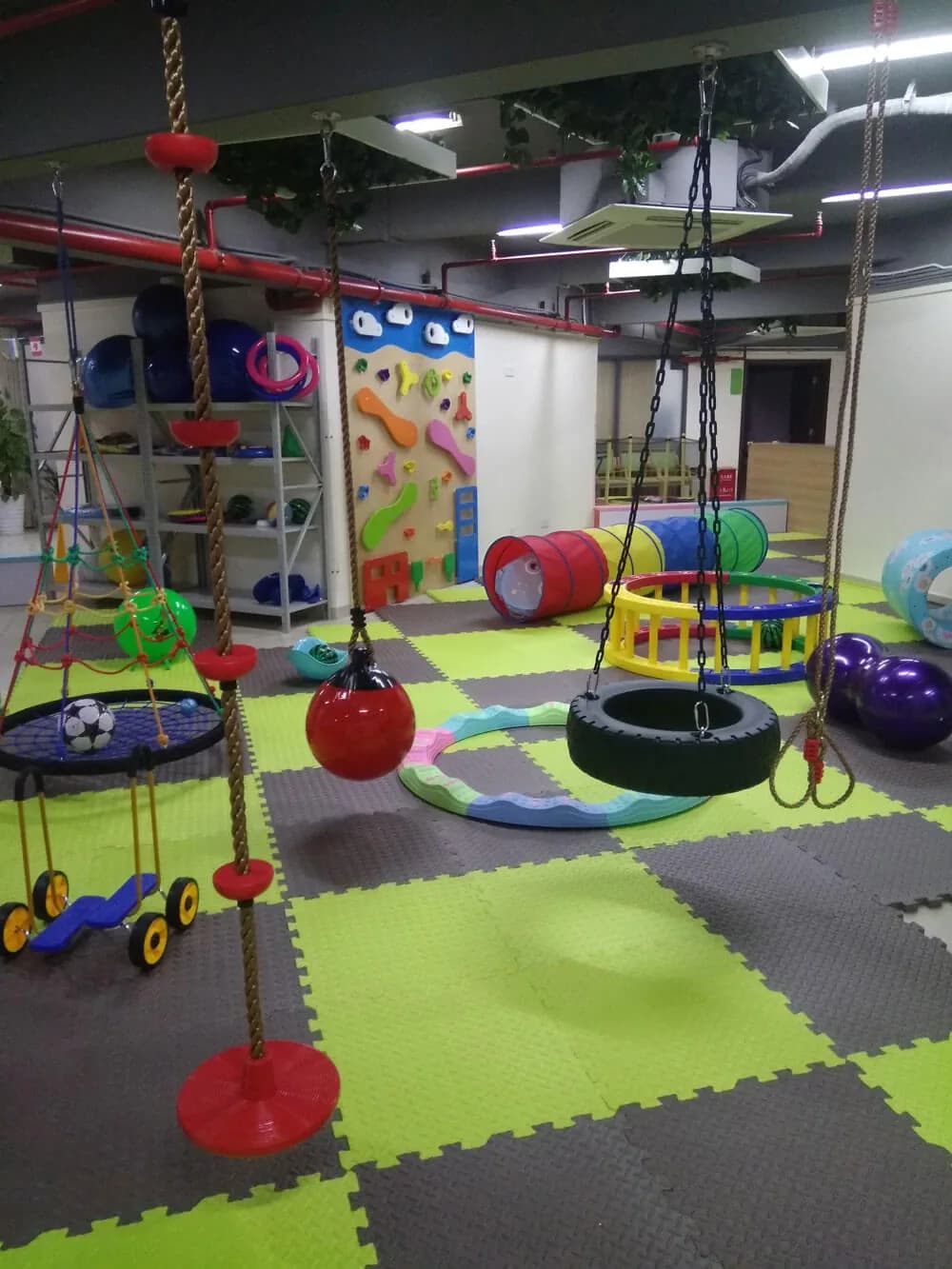
- Sensory integration and behavioral therapy — regulating attention and social interaction;
- Gentle TCM methods (individually selected herbal blends, mild acupuncture, baths) — immunity support, which is especially important in Down syndrome: recurrent respiratory infections and otitis remain a frequent cause of hospitalizations.
When a congenital heart defect is present, the workload intensity is aligned with myocardial status — coordination with the pediatric cardiologist is mandatory. The parent school is a critical part of the program: during the course the family learns the principles of working with hypotonia, how to organize the home environment, and speech stimulation methods. Without daily support from the family the effect is significantly lower.
Causes
A chromosomal abnormality — presence of an extra (third) copy of chromosome 21. In 95% — simple trisomy (chromosomal nondisjunction during meiosis in one of the parents, more often the mother); in 3–4% — translocation (part of the extra chromosome 21 is attached to another chromosome); in 1–2% — mosaicism (trisomy only in part of the cells). The main risk factor is maternal age, especially after 35–40 years; the translocation form can be inherited from carrier parents.
Symptoms
Characteristic facial phenotype: epicanthus, upslanting palpebral fissures, flat profile, small nose. Brachycephaly. Muscle hypotonia — pronounced from birth, affects all developmental domains. Motor delay (sitting at 11–13 months, walking at 18–24 months — later than the norm). Mild to moderate intellectual disability. Associated conditions: heart defects (40–50%), hearing loss, vision problems (cataract, myopia), hypothyroidism, increased susceptibility to infections.
Diagnostics
First-trimester prenatal screening (ultrasound + NT, β-hCG, PAPP-A biochemical markers) and second-trimester. Confirmation — fetal karyotyping (amniocentesis, chorionic villus sampling) or NIPT (non-invasive prenatal test). After birth — clinical diagnosis by phenotype + karyotyping. Mandatory newborn workup: echocardiography (rule out heart defects), hearing and vision testing, thyroid function assessment. Later — annual examinations focused on associated conditions.
Prognosis
Modern medical care has radically changed the prognosis: average life expectancy is now 60+ years (historically — 25 years in the early 20th century). Early intervention (0–3 years) and systematic rehabilitation significantly impact functional independence in adult life — many program graduates finish school, work, and live independently with varying support. The individual prognosis depends on the severity of associated conditions (especially heart defects) and the quality and consistency of rehabilitation.
How we treat
Diagnostics
Comprehensive examination and patient assessment by an international team of specialists
Treatment plan
Development of an individual rehabilitation program considering diagnosis specifics
Therapy
Intensive course of procedures: physical therapy, massage, physiotherapy, acupuncture and other methods
Results
Progress evaluation, home recommendations and maintenance therapy plan
Procedures for treating Down Syndrome
Questions about treatment of Down Syndrome
Related diagnoses
Other directions in this category — pick the most relevant one
Book a free consultation
A doctor will review your documents and provide recommendations within 30 minutes.