
Treatment of SMA in Huizhou
SMA rehabilitation at NeuroLife Huizhou is about maintaining motor function, respiratory musculature, and quality of life in parallel with modern drug therapy (nusinersen Spinraza, onasemnogene Zolgensma, risdiplam Evrysdi). The program combines specialized therapeutic exercise, physiotherapy, breathing gymnastics, and traditional Chinese medicine approaches to support immunity — frequent infections remain the main risk factor in types I–II.
What is Spinal Muscular Atrophy (SMA)?
Spinal muscular atrophy (SMA) is an autosomal recessive hereditary disease that damages motor neurons in the anterior horns of the spinal cord. The underlying cause is a mutation in the SMN1 gene on chromosome 5 (5q13.2) leading to a deficit of the SMN protein critical for motor neuron survival. ICD-10 code G12.0 (SMA type I) with subtypes spanning G12.0–G12.9. Incidence — 1 in 6000–10000 newborns, carrier rate 1 in 50.
SMA is classified by age of onset and maximum achieved motor function: type 0 (prenatal), type I / Werdnig-Hoffmann (onset before 6 months, never sit), type II (6–18 months, sit but do not walk), type III / Kugelberg-Welander (>18 months, walk and then lose function), type IV (adult onset).
Disease-modifying drugs (nusinersen Spinraza, onasemnogene Zolgensma, risdiplam Evrysdi) change the prognosis, but they do not restore already lost motor skills and do not solve problems with contractures, scoliosis, or respiratory failure. Rehabilitation remains critically important, and this is the reason families travel to Huizhou.
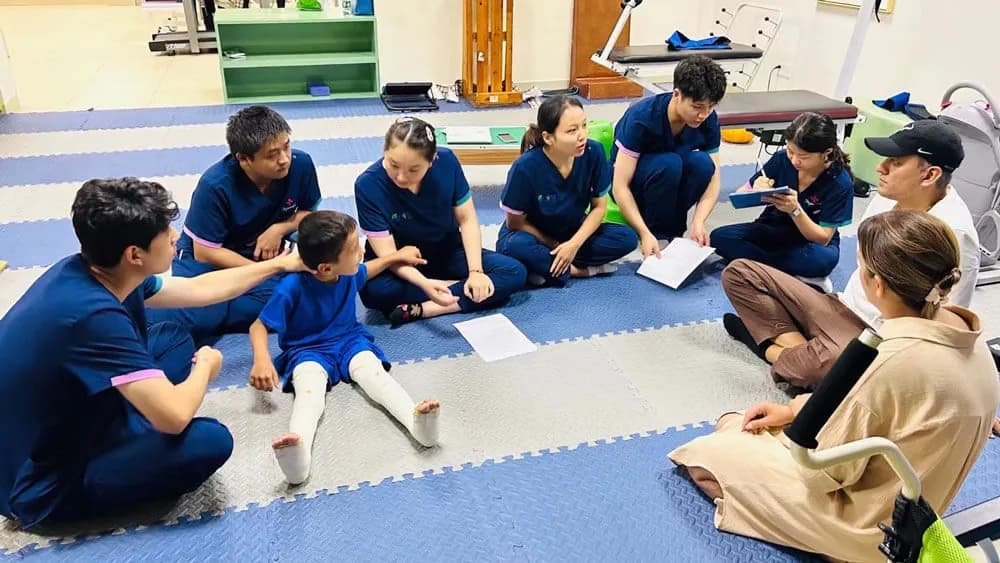
At NeuroLife Huizhou the program is built individually around the SMA type and the child's current motor abilities, working in parallel with drug therapy. The course lasts 2–3 months and combines several streams:
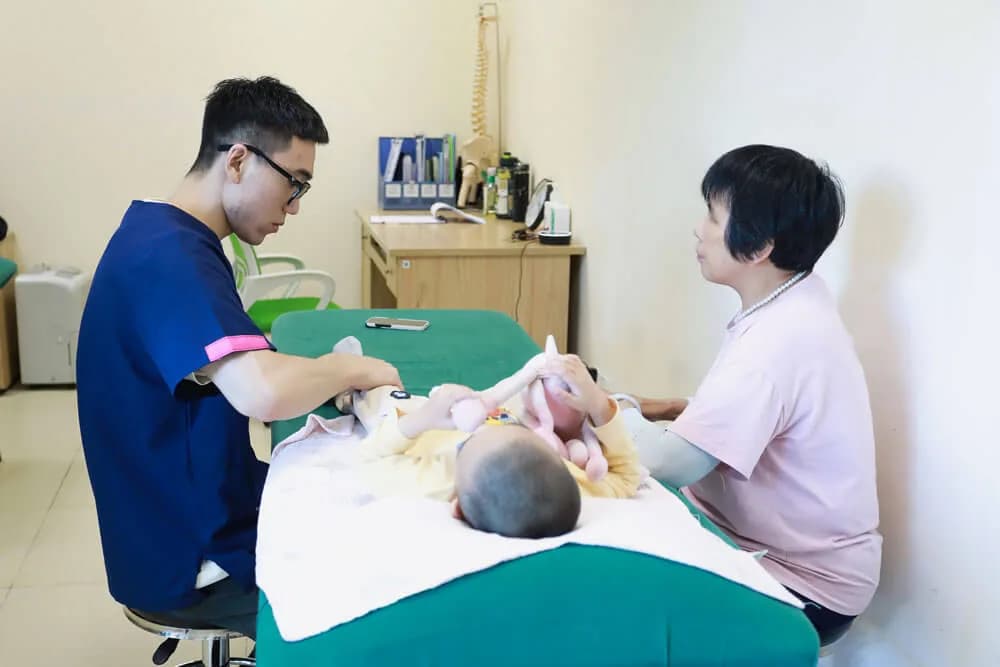
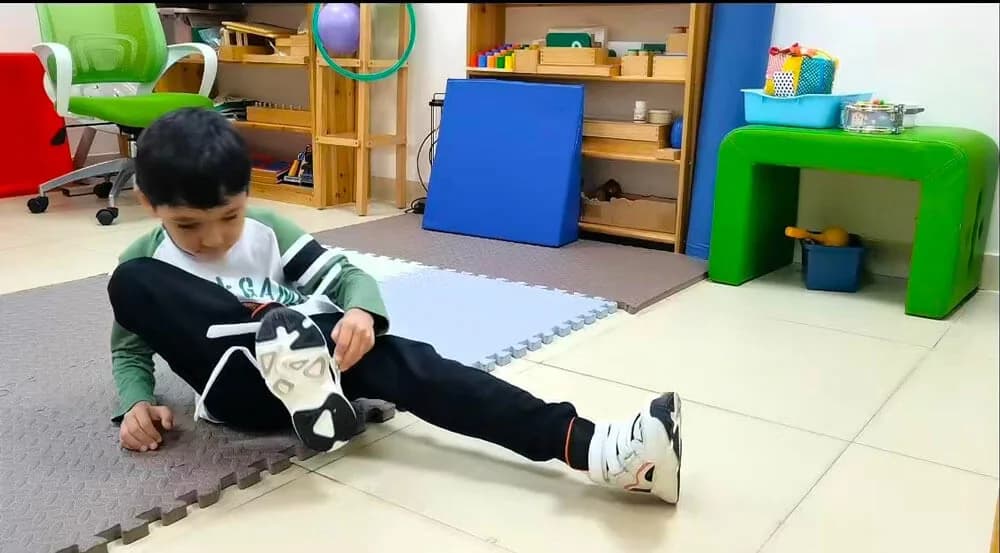
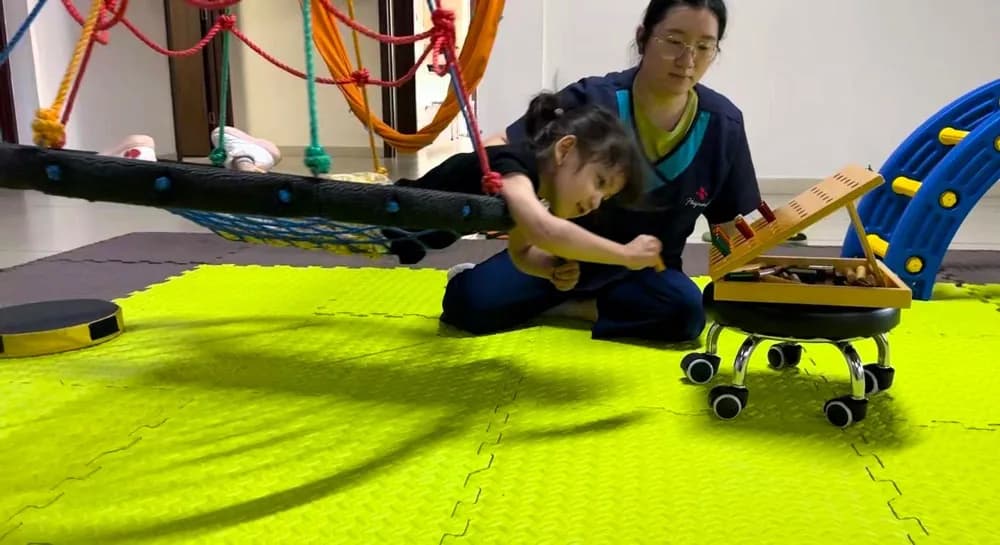
- Therapeutic exercise — gentle exercises for joint mobility, contracture prevention, and training the movements that remain available;
- Breathing gymnastics — diaphragm and intercostal training, effective-cough techniques to prevent aspiration pneumonias (critical in types I–II);
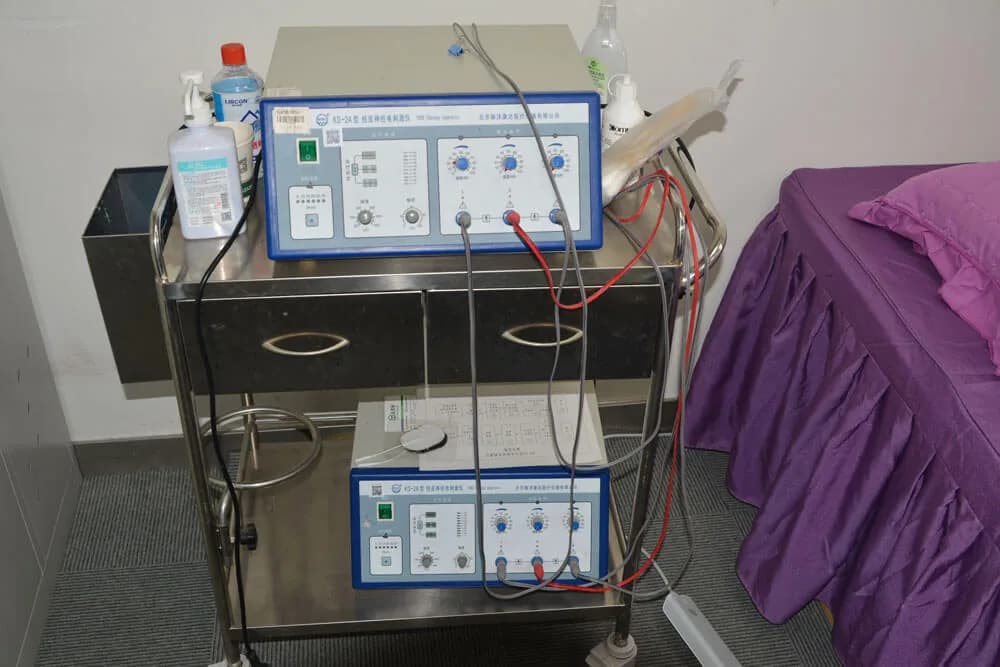
- Physiotherapy — maintaining muscle trophism;
- Occupational therapy — adapting the home environment and selecting assistive devices (orthoses, support seating);
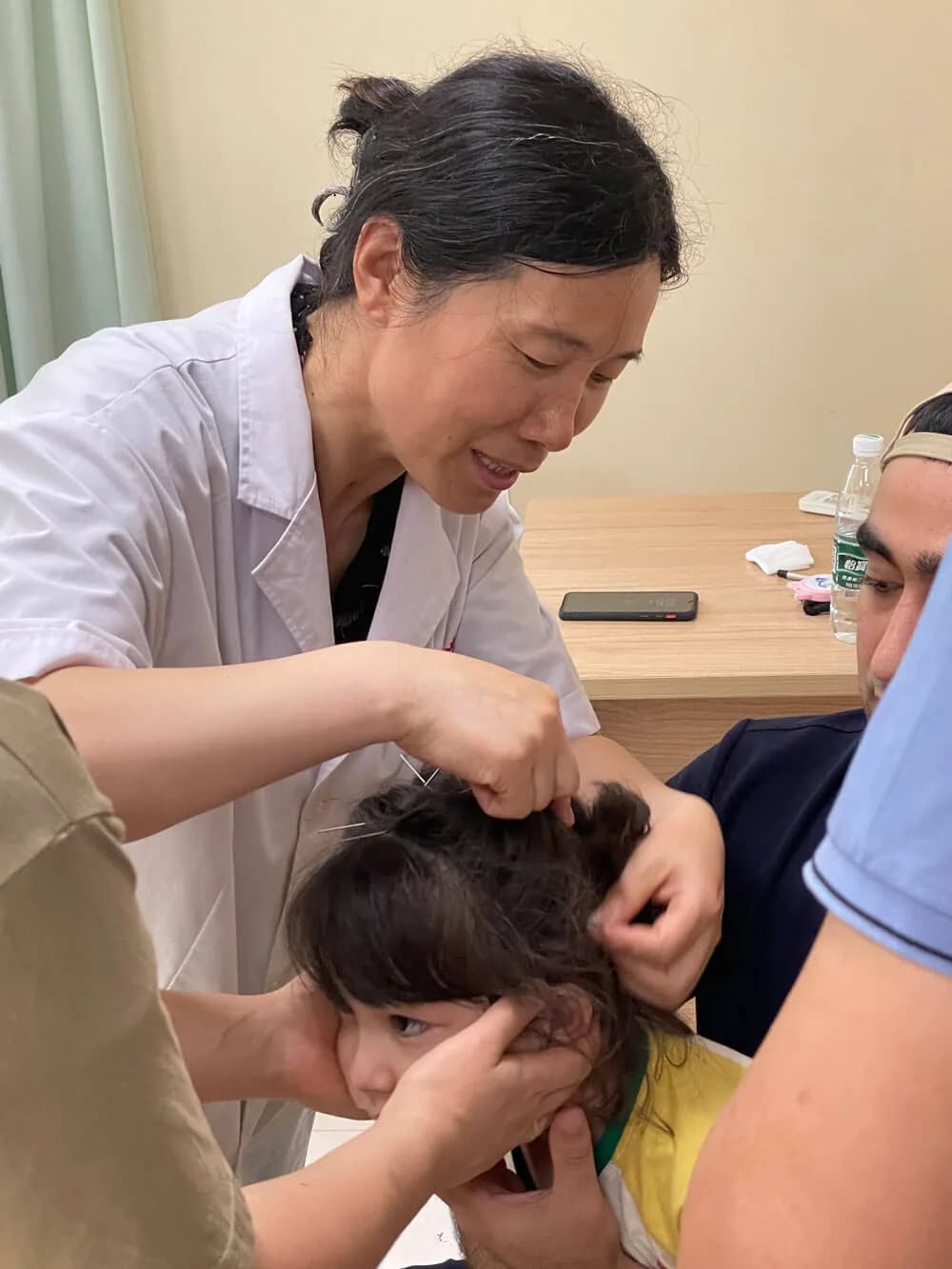
- Traditional Chinese medicine — gentle acupuncture, herbal baths, and individual herbal formulas to support immunity.
The TCM component matters especially here: in children with SMA types I–II recurrent infections remain the main cause of hospitalizations, so immunity support directly affects quality and length of life. Rehabilitation goes not "instead of" but "together with" the core medical team — the workload is coordinated with the treating neurologist and pulmonologist and reviewed over the course of the program.
Causes
Autosomal recessive mutation of the SMN1 gene on chromosome 5 (5q13.2). In 95% of patients — a homozygous deletion of SMN1 exon 7; in the rest — a combination of deletion and point mutation. Phenotype severity is determined by the number of copies of the backup SMN2 gene — the more copies, the milder the course. With a family case, carrier screening is recommended when planning the next pregnancy.
Symptoms
Progressive symmetric proximal muscle weakness, hypotonia (floppy baby in type I), areflexia, tongue fasciculations (a hallmark of type I), motor delay or regression. Cognition and sensation are preserved — an important diagnostic feature. In severe forms — swallowing difficulties, respiratory failure, the typical frog-leg posture with abducted hips and bell-shaped chest.
Diagnostics
The gold standard is genetic testing of SMN1 (exon 7 deletion analysis) and SMN2 copy number determination (for prognosis and gene therapy decisions). Additional steps — EMG (characteristic denervation pattern), nerve conduction (normal), CK level (usually normal or slightly elevated — unlike DMD). For motor function — the CHOP-INTEND scale (for type I) or HFMSE (for II–III). For respiratory issues — spirometry, cough effectiveness assessment.
Prognosis
Disease-modifying drugs have changed the landscape. Without therapy in type I — lethality before age 2 from respiratory complications; with nusinersen or Zolgensma — significant motor improvement and life extension, children start sitting, sometimes standing. In types II–III timely drug therapy plus regular rehabilitation maximally slow progression and preserve function. Early intervention (via newborn screening with a family case) yields the best outcome.
How we treat
Diagnostics
Comprehensive examination and patient assessment by an international team of specialists
Treatment plan
Development of an individual rehabilitation program considering diagnosis specifics
Therapy
Intensive course of procedures: physical therapy, massage, physiotherapy, acupuncture and other methods
Results
Progress evaluation, home recommendations and maintenance therapy plan
Procedures for treating Spinal Muscular Atrophy (SMA)
Questions about treatment of Spinal Muscular Atrophy (SMA)
Related diagnoses
Other directions in this category — pick the most relevant one
Book a free consultation
A doctor will review your documents and provide recommendations within 30 minutes.