Treatment of DMD in Huizhou
At NeuroLife Huizhou the DMD (Duchenne muscular dystrophy) program is built around four tasks: contracture prevention, respiratory muscle training, early prevention of cardiac complications, and supporting muscle tone via gentle TCM approaches. We work with all stages — from the early ambulatory years to adaptation after loss of independent walking.
What is Duchenne Muscular Dystrophy?
Duchenne muscular dystrophy (DMD) is the most common and severe form of inherited muscular dystrophy. The disease is X-linked recessive and affects almost exclusively boys (1 in 3500–5000). The underlying cause is a mutation in the DMD gene on chromosome Xp21.2-21.1 leading to absence or defect of the dystrophin protein in the muscle membrane. ICD-10 code G71.0.
The disease is progressive: motor disturbances begin at ages 3–5, independent ambulation is typically lost by ages 9–13, and cardiac and respiratory complications set in later. The base of drug treatment is corticosteroids (prednisone, deflazacort), and for an appropriate mutation — disease-modifying drugs (Exondys-51, Vyondys-53). But neither steroids nor disease-modifying therapy solve all tasks: without a properly built rehabilitation program contractures and scoliosis are inevitable.
At NeuroLife Huizhou the program is built around the disease stage — from the early ambulatory years to adaptation after loss of walking — and is run regularly, two courses per year, in parallel with the core treatment. The program combines several streams:
- Anti-contracture stretching — daily stretching of the hip, calf, and arm flexors;
- Custom orthoses — including nighttime AFOs to hold the foot in neutral (without them an Achilles contracture forms quickly);
- Breathing gymnastics — diaphragm and intercostal training, inspiratory trainers;
- Occupational therapy — adapting the home environment and selecting assistive devices (wheelchair, manipulators, dressing aids);
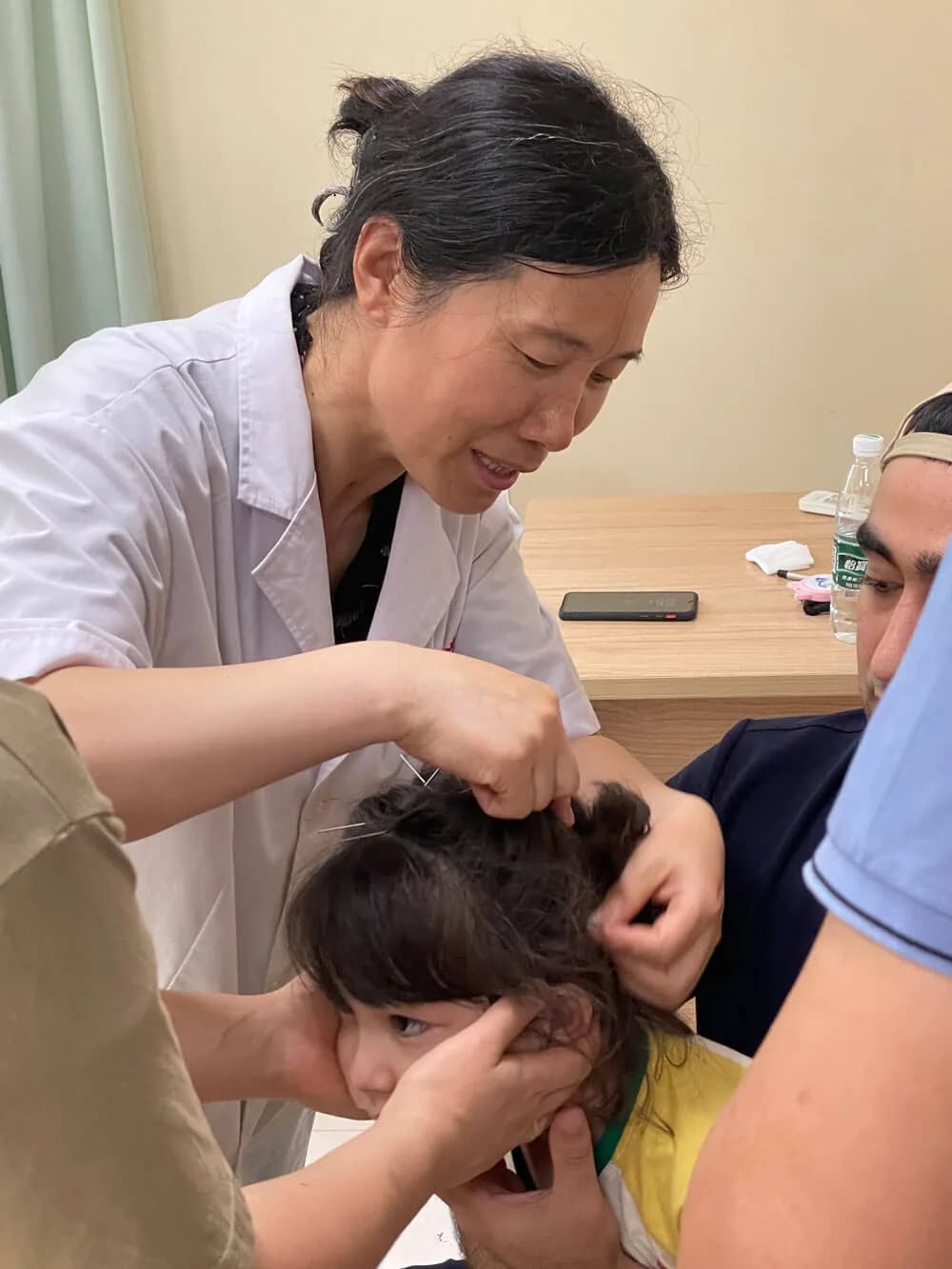
- Gentle TCM approaches — acupuncture by gentle protocols, Tuina massage, and herbal blends to support muscle tone and exercise tolerance.
TCM does not replace the core treatment but complements it. The workload is coordinated with the pediatric cardiologist according to myocardial status (ECHO and ECG dynamics), and the methods complement one another and are reviewed over the course of the program. Regular rehabilitation delays loss of ambulation by years.
Causes
X-linked recessive mutation of the DMD gene on chromosome Xp21.2-21.1, encoding the dystrophin protein. Dystrophin reinforces the muscle membrane and links the cytoskeleton to the extracellular matrix; its absence leads to progressive muscle fiber degeneration. About 30% of cases are de novo mutations, the rest are inherited from a carrier mother. Carriers may have subclinical features (elevated CK, mild muscle weakness).
Symptoms
Onset at ages 3–5: motor delay, frequent falls, awkwardness in running and climbing stairs. Gowers' sign — when rising from the floor the child climbs up his own legs, leaning on his hands. Calf pseudohypertrophy — calf enlargement due to fatty and connective tissue replacement. Progressive proximal muscle weakness, waddling gait, lumbar lordosis. By ages 9–13 — loss of independent ambulation. Later — cardiomyopathy and respiratory failure.
Diagnostics
Markedly elevated CK (often 20–100× normal) is the first screening sign. Confirmation — DMD genetic analysis (search for deletions, duplications, point mutations). When genetics are uninformative — muscle biopsy with dystrophin immunohistochemistry. Regular follow-up: annual echocardiography (mandatory from age 6), pulmonary function tests (from age 5), function assessment by 6-minute walk and NSAA scale, spinal radiography with suspected scoliosis.
Prognosis
Without treatment average life expectancy is about 20 years, with death from cardiomyopathy and respiratory failure. Modern therapy (steroids + disease-modifying drugs for the appropriate mutation + cardioprotectors + non-invasive ventilation when needed) extends survival to 30–40+ years and significantly improves quality of life. Regular rehabilitation and proper orthosis use delay loss of ambulation by 1–3 years and reduce the risk of scoliosis and contractures.
How we treat
Diagnostics
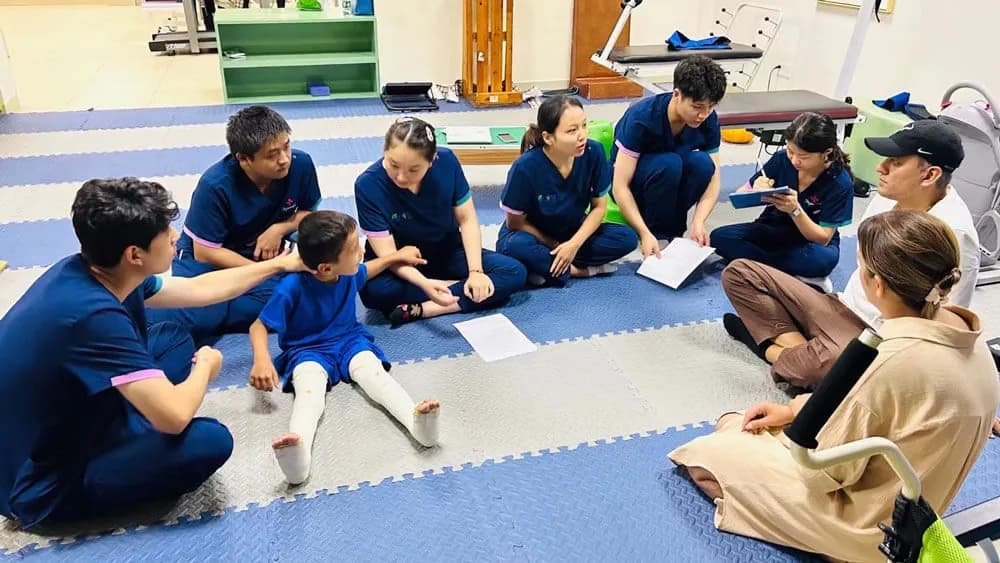
Comprehensive examination and patient assessment by an international team of specialists
Treatment plan
Development of an individual rehabilitation program considering diagnosis specifics
Therapy
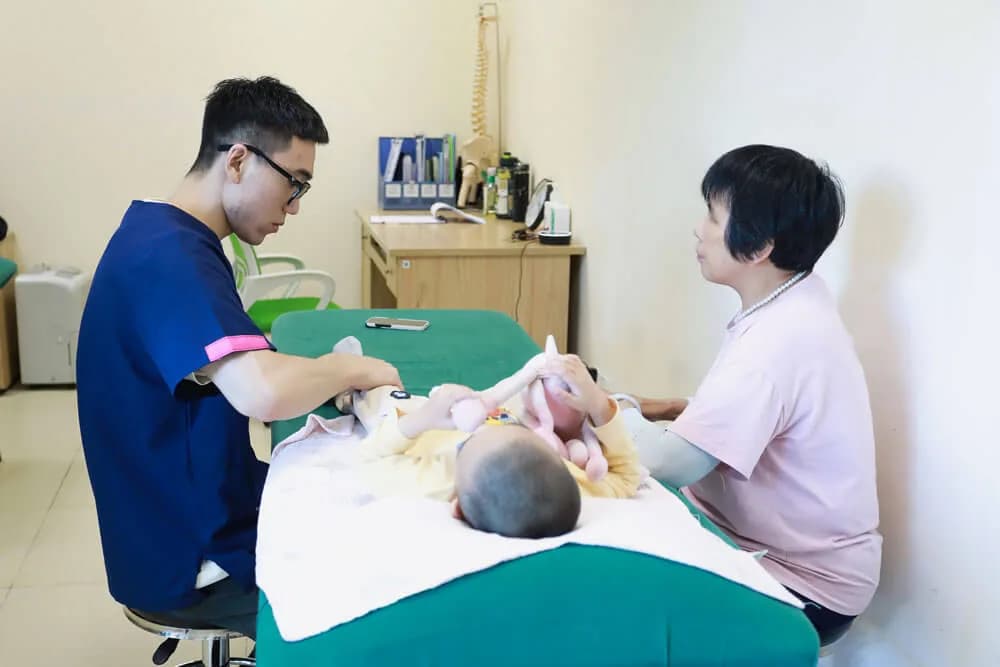
Intensive course of procedures: physical therapy, massage, physiotherapy, acupuncture and other methods
Results
Progress evaluation, home recommendations and maintenance therapy plan
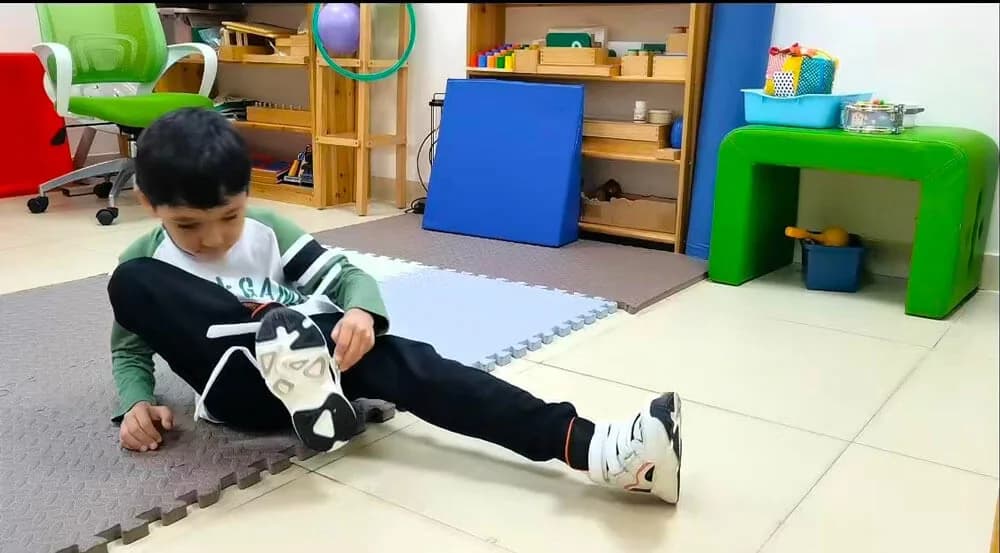
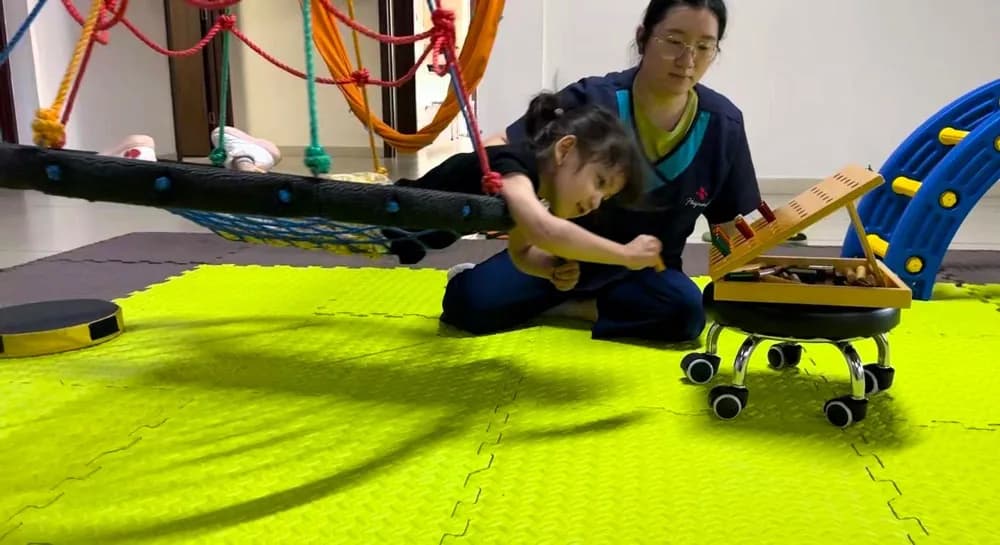
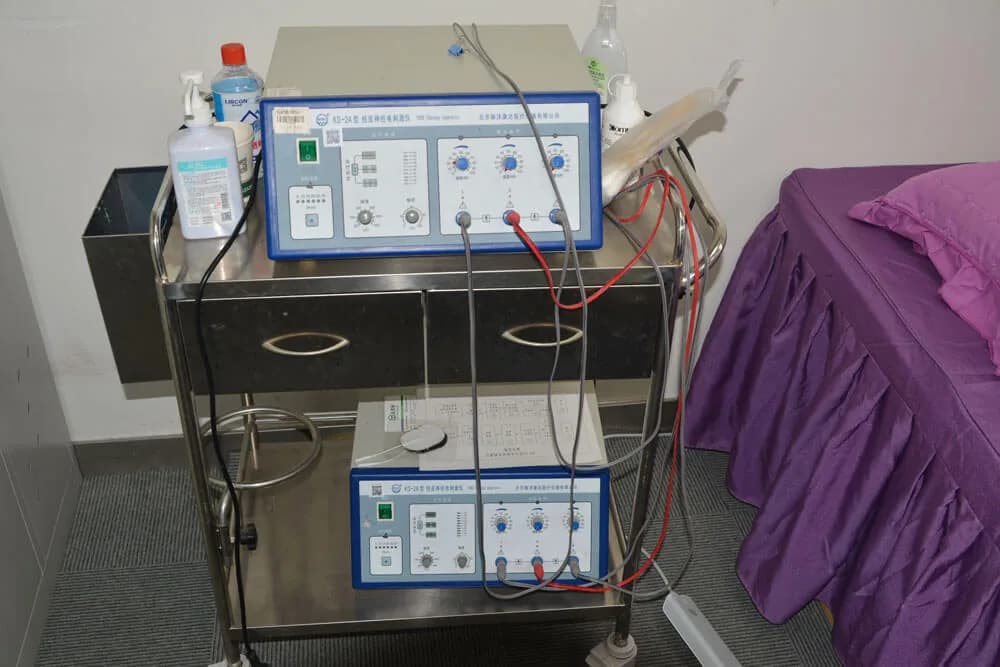
Procedures for treating Duchenne Muscular Dystrophy
Questions about treatment of Duchenne Muscular Dystrophy
Related diagnoses
Other directions in this category — pick the most relevant one
Book a free consultation
A doctor will review your documents and provide recommendations within 30 minutes.