
Treatment of Orthopedics in Huizhou
The orthopedic direction at NeuroLife Huizhou is built on direct collaboration with the Yuncheng Orthopedic Research Institute. Assoc. Prof. Liu Hejian is the author of modified SPML, Ponseti casting, and biomechanical orthotic systems. We use 3D scanning of feet and posture (Italian assessment system), custom orthoses and insoles, and 24-hour postural management with a focus on nighttime correction. We treat scoliosis, clubfoot, flat feet, hallux valgus, genu varum and valgum.
What is Orthopedic Conditions?
In this category we group a spectrum of pediatric orthopedic conditions that require a specialized approach: correction of foot, spine, and lower-limb deformities. All of them share the principle of early biomechanical correction — while the child's musculoskeletal system is still plastic.
The key to our expertise is the link with the Yuncheng Orthopedic Research Institute and its director, Assoc. Prof. Liu Hejian. Yuncheng is one of China's leading centers for pediatric orthopedics, and our Huizhou center operates by protocols coordinated with the Institute. That gives patients direct access to author-developed techniques that are hard to find outside China: modified Ponseti casting for clubfoot (polymer bandages instead of plaster, with proven effectiveness in thousands of cases), modified SPML for equinus contractures, 3D biomechanical insoles, and orthoses.
Diagnostics are comprehensive — from 3D scanning of feet and posture to radiography and video gait analysis (the full list of methods is in the "Diagnostics" card above). Based on the data we determine the plan: which method to apply, which orthosis to manufacture, what wearing schedule, and which exercise program to build.
Correction methods:
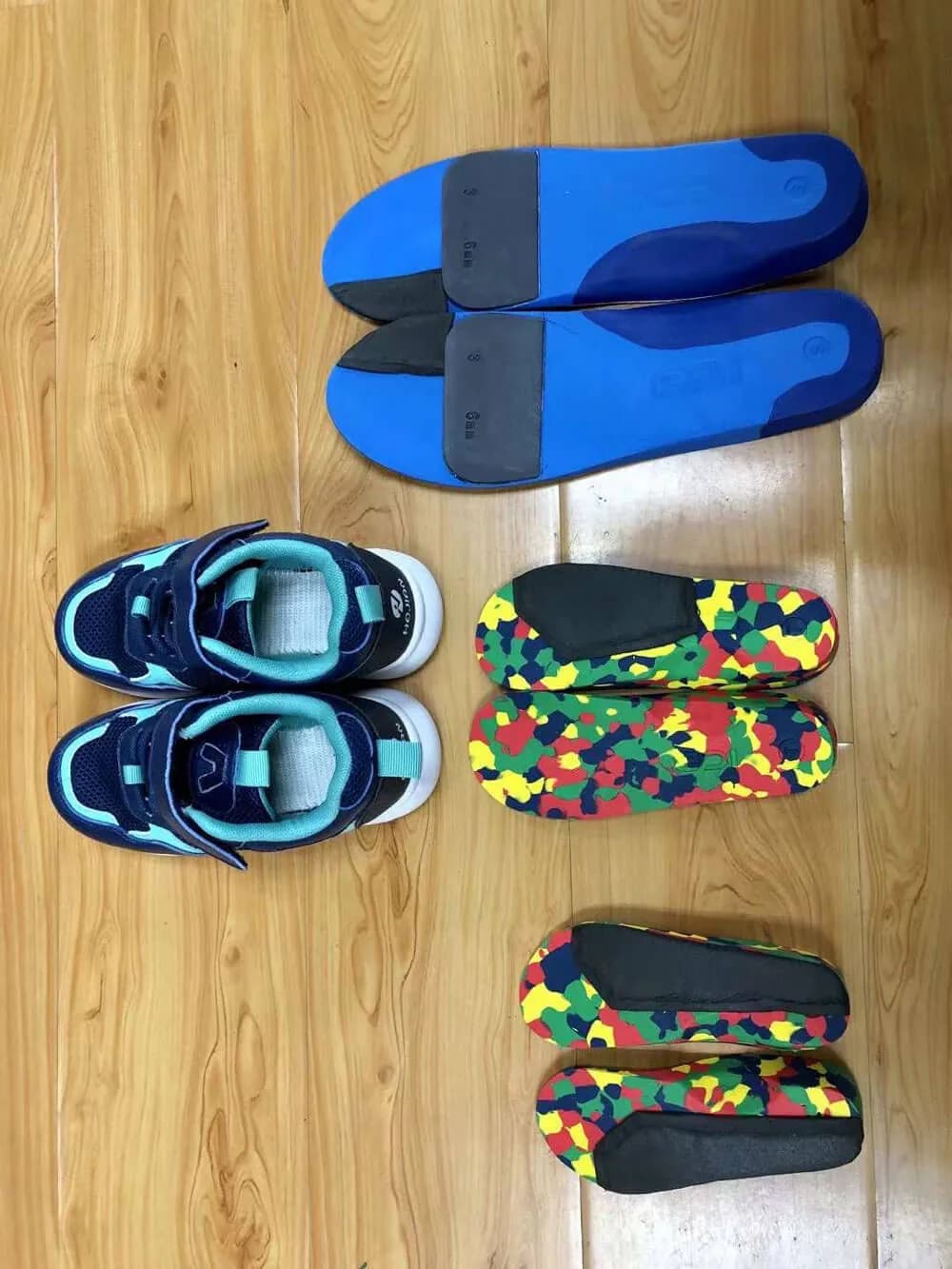
- Biomechanical insoles. Manufactured from an individual foot impression with CAD/CAM modeling. The main goal is load redistribution and reduction of pressure on joints and spine. Used for flat feet, hallux valgus, equinus foot, genu varum/valgum. Worn 18+ hours per day.
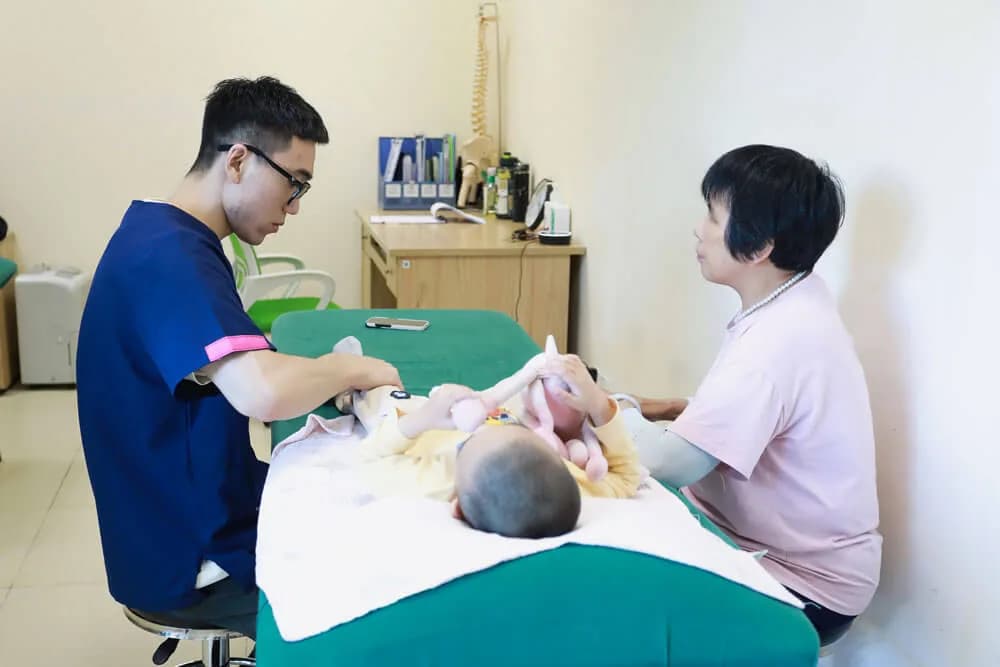
- Modified Ponseti: developed by Assoc. Prof. Liu Hejian. Polymer bandages instead of traditional plaster — far more comfortable for the child, easier to maintain. Used for clubfoot from birth, equinus foot, partly for genu varum/valgum. A series of casts at 5–7 day intervals plus a Brown brace to hold the result.
- 3D orthoses: based on 3D scanning and the Italian posture assessment system. Individual tuning for maximum effectiveness in scoliosis, kyphosis, severe foot deformities. CAD/CAM production with control scans.
- 24-hour postural management: a critical section, especially for scoliosis. Daytime orthosis — postural support, nighttime orthosis — correction during sleep (when muscle tone is low and plasticity is at its peak). Without the nighttime component, scoliosis treatment is much less effective.
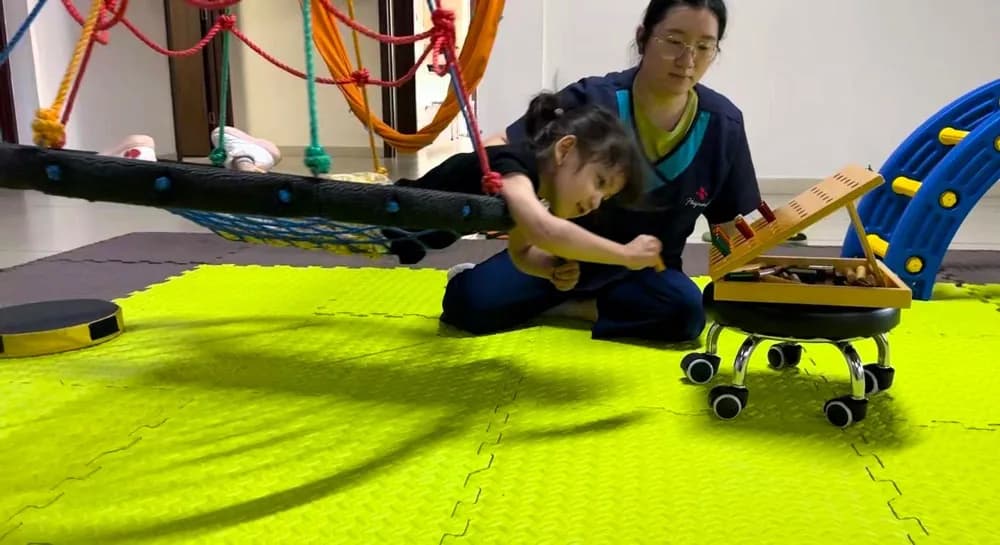
Additional methods: specialized therapeutic exercise, medical massage, physiotherapy. Regular check-ups — every 3–6 months — to adapt the program to the child's growth. From this hub page you can navigate to specific diagnoses with detailed information.
Causes
Congenital (Q66 — foot deformities at birth), acquired (M21 — acquired limb deformities), idiopathic (no identified cause — most scolioses), neuromuscular (associated with CP, SMA, DMD), traumatic, metabolic (rickets, osteoporosis). Often linked to biomechanical imbalance or connective tissue hypermobility.
Symptoms
Visible deformities (spinal curvature, abnormal foot position, genu varum/valgum), shoulder and pelvis asymmetry, pain on load, fatigue while walking, asymmetric shoe wear, difficulty with shoe fitting, abnormal gait. In some — headaches with scoliosis, discomfort when sitting.
Diagnostics
Manual examination, 3D scanning of feet and posture (Italian system), standing-position radiography (mandatory for scoliosis with Cobb angle measurement), plantography, gait analysis (video), scoliometry. For differential diagnosis — connective tissue assessment (Marfan, Ehlers-Danlos), neuromuscular status evaluation.
Prognosis
Early correction is critical. The child's musculoskeletal system remains plastic until skeletal maturity (usually 16–18 years), and early biomechanical correction can fully prevent deformity entrenchment. Without correction — entrenchment, pain in adulthood, in some cases surgical indications. Regular check-ups — every 3–6 months.
How we treat
Diagnostics
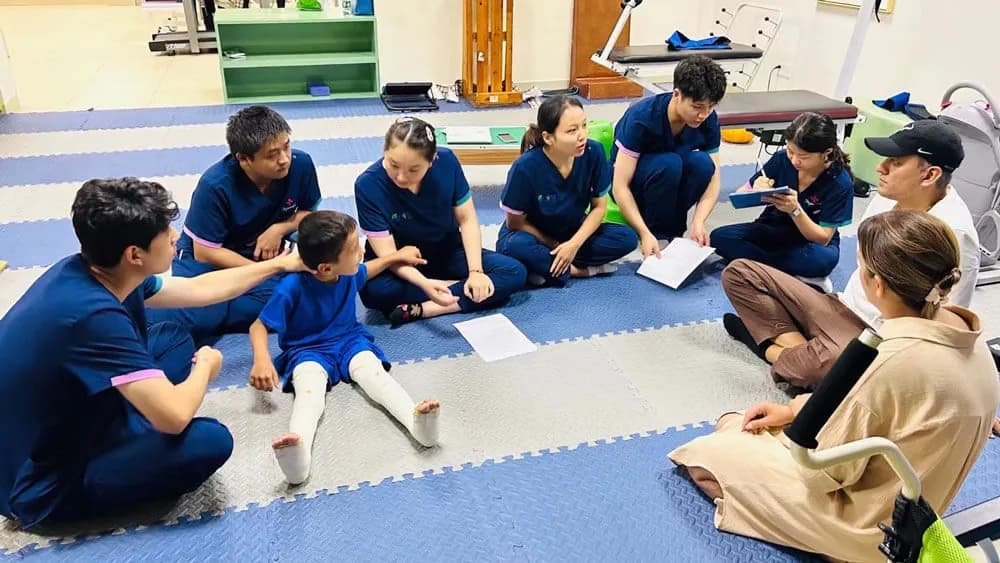
Comprehensive examination and patient assessment by an international team of specialists
Treatment plan
Development of an individual rehabilitation program considering diagnosis specifics
Therapy
Intensive course of procedures: physical therapy, massage, physiotherapy, acupuncture and other methods
Results
Progress evaluation, home recommendations and maintenance therapy plan
Specific diagnoses
Detailed information on each direction within this category
Procedures for treating Orthopedic Conditions
Questions about treatment of Orthopedic Conditions
Book a free consultation
A doctor will review your documents and provide recommendations within 30 minutes.