
Treatment of Flat Feet in Huizhou
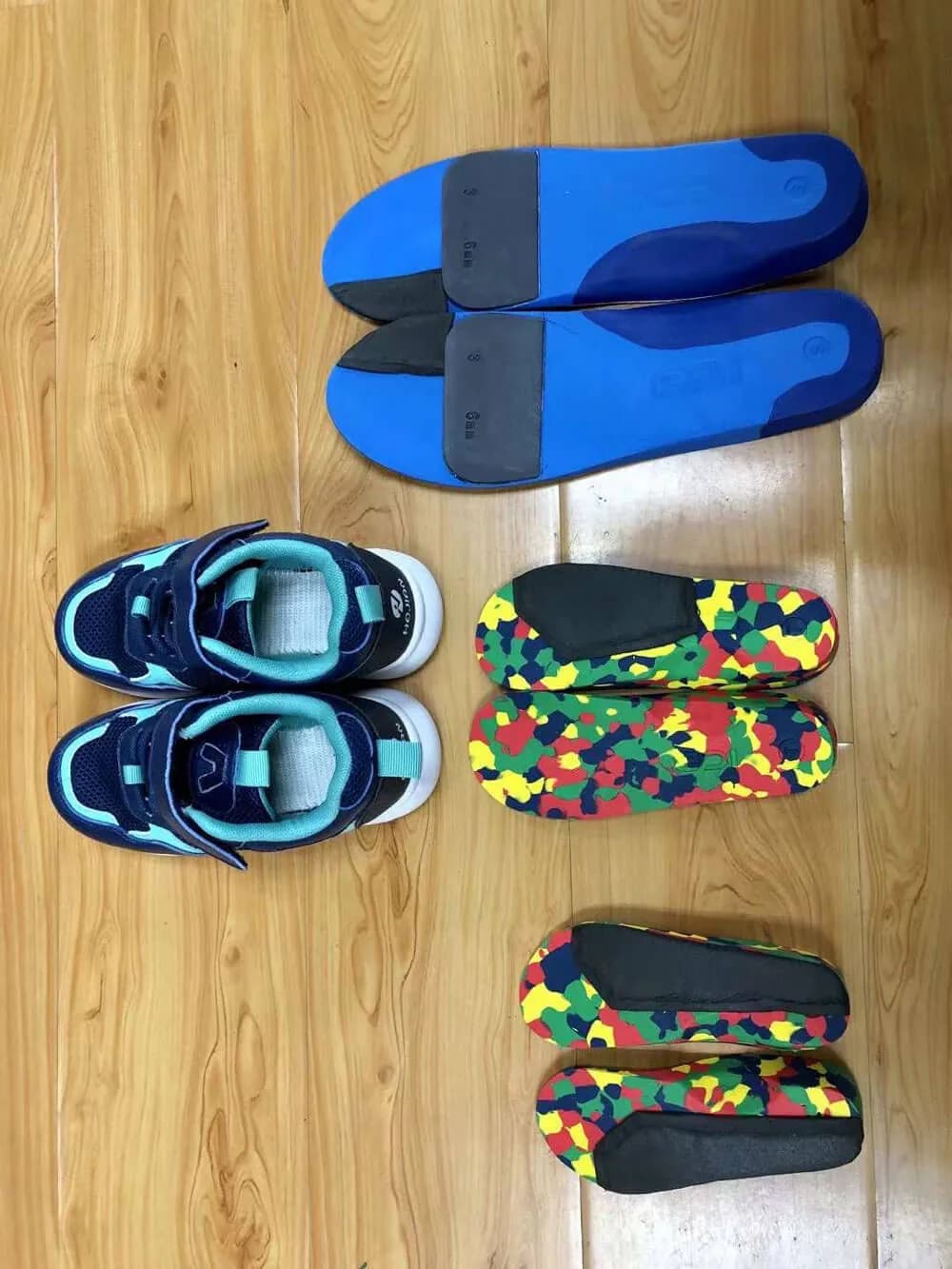
At NeuroLife Huizhou we produce custom biomechanical insoles based on an individual 3D foot impression. They redistribute load, reduce pressure on the ankle, knees, and spine, and support correct arch formation during the active growth period. Insoles are complemented by non-slip orthopedic shoes and a therapeutic exercise program.
What is Flat Feet (Pes Planus)?
Flat feet (pes planus, ICD-10 M21.4) is a reduction of the longitudinal and/or transverse foot arch. It is fundamentally important to distinguish physiological flat feet in children under 5 (the arch is still forming as muscles and ligaments develop and looks flattened in most children before that age) from pathological flat feet that require correction. It is equally important to distinguish flexible flat foot (the arch disappears under load and returns when unloaded) from rigid (the arch is always absent — requires ruling out tarsal coalitions): the entire approach depends on this. Without timely correction of pathological flat feet, a chain of problems forms: foot valgus → knee joint overload → pelvic tilt → spine problems.
At NeuroLife Huizhou we build correction around an individual orthopedic program:
- Custom biomechanical insoles — the main tool; produced from a 3D foot impression with CAD/CAM modeling. These are not pharmacy-counter universal insoles: each pair precisely follows the contour of a specific child's foot with calibrated arch-support and pronation zones, offloads the knee and hip joints, reduces spinal load, and supports arch formation during the active growth period;
- Non-slip orthopedic shoes — a special sole with five support points, a rigid heel counter, an orthopedic upper; combined with the insole they reinforce correction;
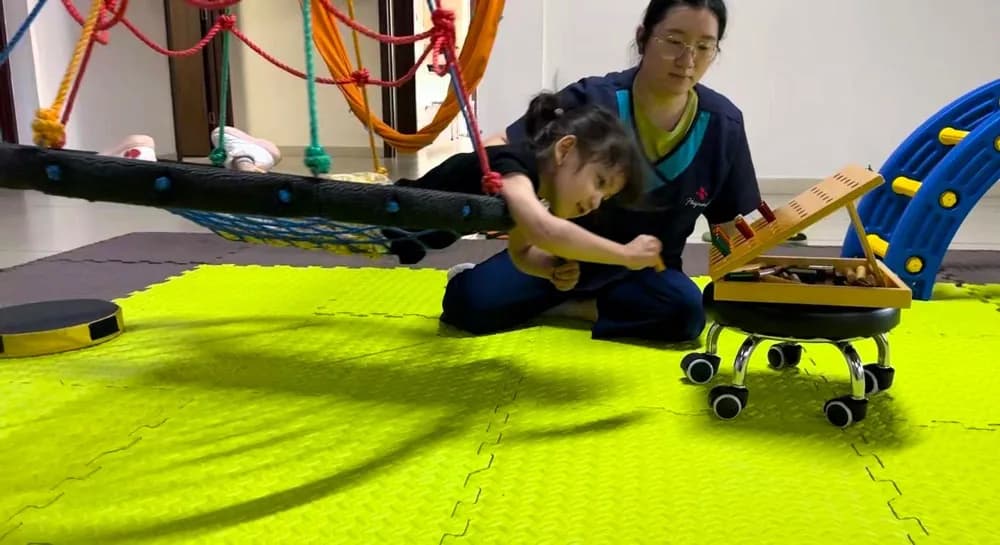
- Therapeutic exercise for the arch — exercises to strengthen the short foot muscles (toe grasping, lateral-arch walking, balance exercises);
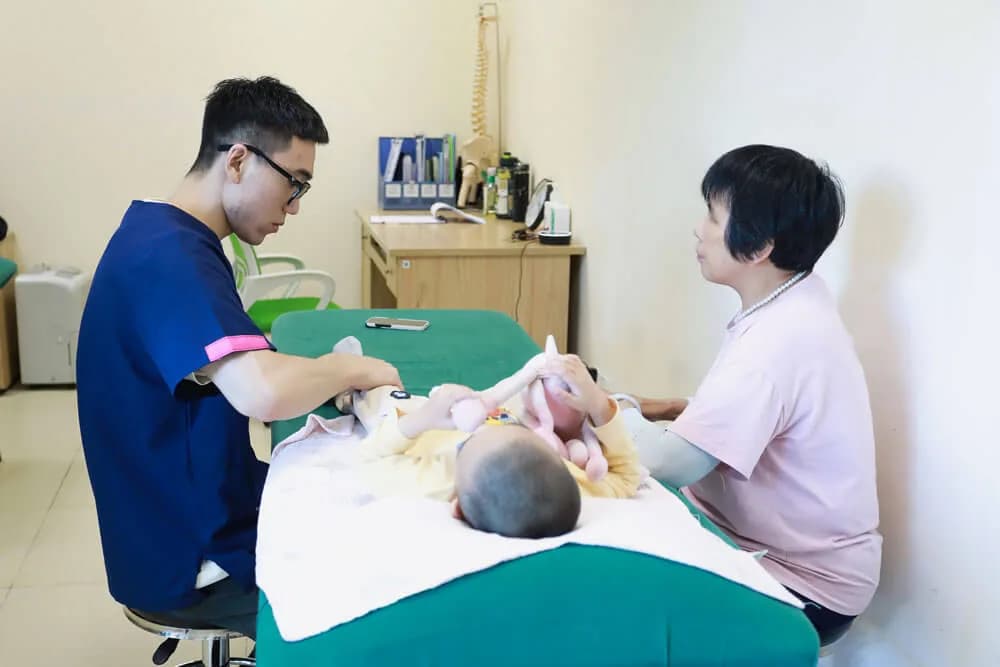
- Foot and calf massage — relieves overstrain and improves tissue trophism.
Follow-up every 6 months during growth, with insole renewal as the foot develops.
Causes
Genetic predisposition (flat feet run in families), connective tissue hypermobility (Ehlers-Danlos syndrome, benign hypermobility), neuromuscular diseases (CP — spastic or hypotonic forms), congenital structural features (tarsal coalitions in rigid flat feet), post-traumatic conditions, obesity, and excessive load on the foot.
Symptoms
Visible flattening of the longitudinal arch (especially in standing), foot valgus (heel turning outward), rapid fatigue during walking, pain in the feet, shins, and knees after activity, uneven shoe wear on the inner sole side, child's refusal of active play and long walking. In older children — headaches, back discomfort from compensatory postural changes.
Diagnostics
Plantography (foot imprint), 3D foot scanning using the Italian system, podoscope examination, gait analysis (video), functional tests (arch flexibility, Jack test). When rigid flat foot or pain is suspected — standing-position foot radiography. MRI or CT may be needed for differential diagnosis.
Prognosis
Early initiation of insoles and exercise (before age 7) yields normal arch formation in nearly all flexible flat foot cases. In children over 7–10 years the program stabilizes the situation and prevents progression, but full arch realignment at this age is rarely achievable without surgery. Neglected cases without correction lead to knee osteoarthritis and spine problems in adulthood.
How we treat
Diagnostics
Comprehensive examination and patient assessment by an international team of specialists
Treatment plan
Development of an individual rehabilitation program considering diagnosis specifics
Therapy
Intensive course of procedures: physical therapy, massage, physiotherapy, acupuncture and other methods
Results
Progress evaluation, home recommendations and maintenance therapy plan
Procedures for treating Flat Feet (Pes Planus)
Questions about treatment of Flat Feet (Pes Planus)
Related diagnoses
Other directions in this category — pick the most relevant one
Book a free consultation
A doctor will review your documents and provide recommendations within 30 minutes.