
Treatment of Equinus in Huizhou
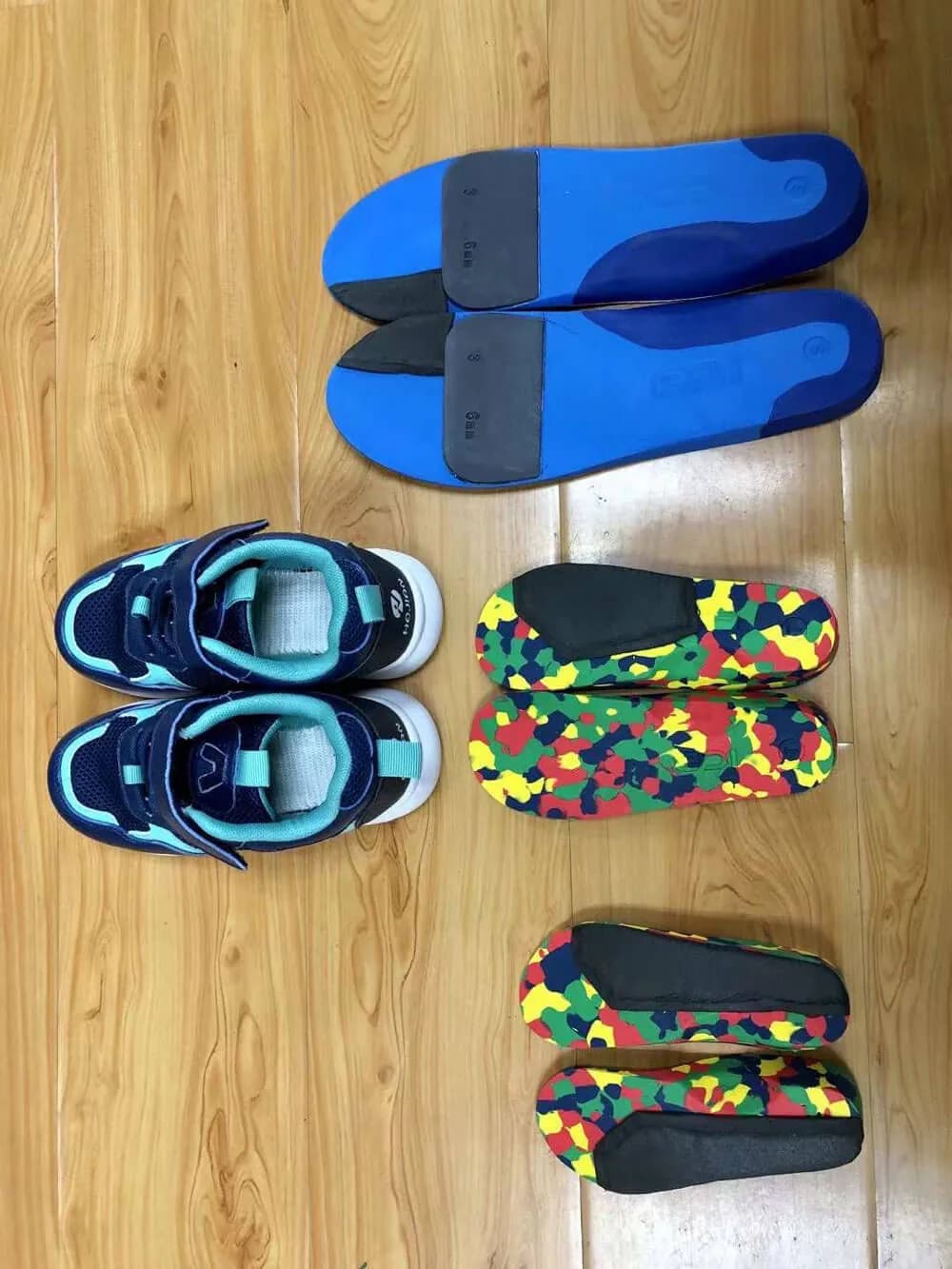
Equinus foot is a common deformity in CP and idiopathic toe walking. At NeuroLife Huizhou we use a combined approach: modified Ponseti for myotonic correction of Achilles tendon shortening, custom biomechanical insoles for load redistribution, and 3D orthoses for severe cases. Often co-occurs with CP — we treat both conditions in parallel.
What is Equinus Foot?
Equinus foot (pes equinus) is a deformity in which the foot is fixed in plantar flexion, and the child cannot fully place the heel on the floor. ICD-10 lists it under Q66.8 (other congenital foot deformities), but it is also common as an acquired form against a background of spasticity in CP. This is exactly why the approach depends on the cause of the deformity.
At NeuroLife Huizhou we distinguish three variants of approach:
- Isolated idiopathic equinus (toe walking) without neurological disorders — the modified Ponseti method: a series of casts to gradually bring the foot to neutral at 5–7 day intervals, with a minimally invasive percutaneous Achilles tenotomy when needed;
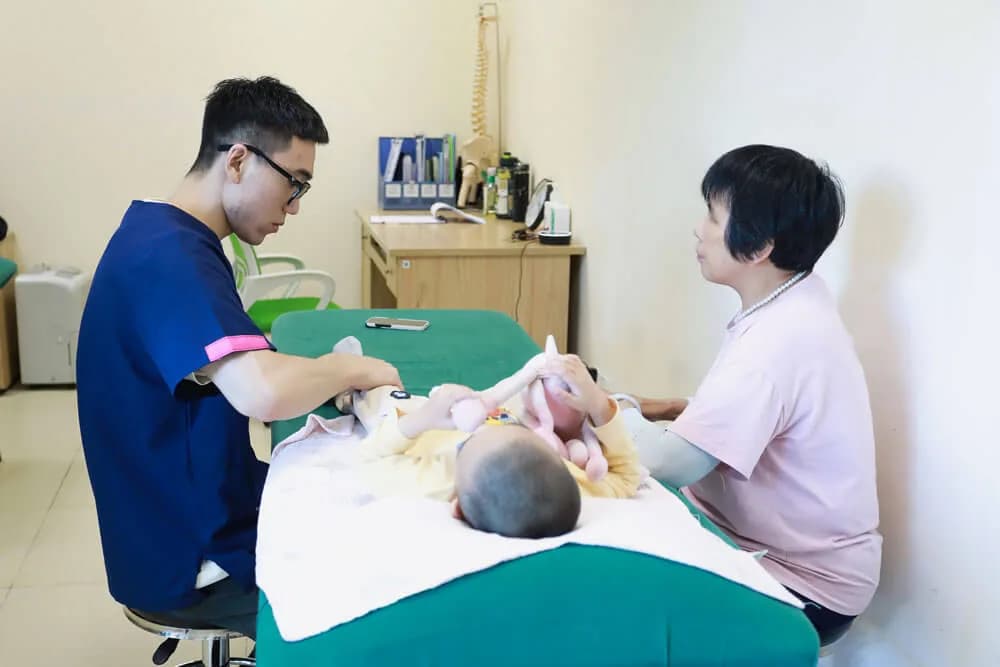
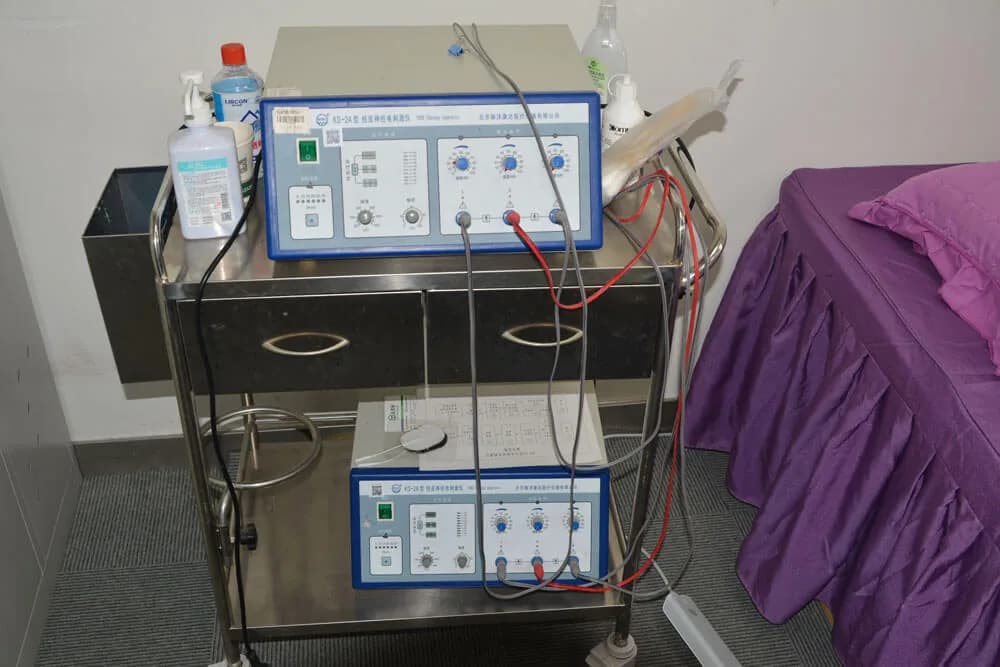
- Equinus on a background of CP spasticity — local correction (biomechanical insoles with a heel lift, nighttime orthoses, therapeutic massage, and physiotherapy) runs in parallel with the core neuro-rehabilitation program; correcting the deformity in isolation in a CP child is irrational;
- Fixed severe forms in older children — surgical Achilles tendon lengthening at a specialized clinic, followed by a return to the recovery program.
The combined expertise of the Yuncheng Orthopedic Research Institute (Assoc. Prof. Liu Hejian) and the Huizhou neuro-rehabilitation team allows us to work with equinus at any level — from isolated toe walking to a severe form in tetraplegia. Early presentation and a systematic approach nearly always produce a functional result: the child places the heel down, walks without the characteristic abnormal gait, and can run.
Causes
Spasticity of the calf muscles and contractures in CP are the most common cause in children. Also: congenital Achilles tendon shortening (isolated or syndromal), idiopathic toe walking without neurological disorders, post-traumatic scar changes, neuromuscular diseases (SMA, DMD).
Symptoms
Toe walking, inability to lower the heel during walking and standing, restricted dorsiflexion at the ankle, asymmetric gait in unilateral forms, rapid fatigue, sometimes pain on activity. In CP children equinus is combined with other spastic patterns.
Diagnostics
Clinical examination with the Silverskiöld test to differentiate gastrocnemius vs soleus shortening, gait analysis (video) to assess kinematics, dorsiflexion range measurement. With a suspected neuromuscular component — neurological examination, EMG. In CP children — GMFCS staging.
Prognosis
With early initiation — a full functional result: the heel is placed on the floor, the child walks without limping. In CP children equinus is controlled but requires a regular maintenance program — without it spasticity returns. Neglected fixed forms in adolescents need surgery (open Achilles tendon lengthening) with subsequent extended recovery.
How we treat
Diagnostics
Comprehensive examination and patient assessment by an international team of specialists
Treatment plan
Development of an individual rehabilitation program considering diagnosis specifics
Therapy
Intensive course of procedures: physical therapy, massage, physiotherapy, acupuncture and other methods
Results
Progress evaluation, home recommendations and maintenance therapy plan
Procedures for treating Equinus Foot
Questions about treatment of Equinus Foot
Related diagnoses
Other directions in this category — pick the most relevant one
Book a free consultation
A doctor will review your documents and provide recommendations within 30 minutes.