
Treatment of CP in Huizhou
NeuroLife Huizhou is the flagship site of our network for CP rehabilitation. We work with all forms of the disease and with every level of the GMFCS scale, including the severe ones (3–5). The program combines European methods (PT, OT, occupational therapy, sensory integration, CME, PMT) with traditional Chinese medicine — scalp acupuncture by Prof. Jiao Shunfa (焦顺发), Tuina massage, and acupotomy.
What is Cerebral Palsy?
Cerebral palsy is the collective name for a group of non-progressive disorders caused by damage to the developing brain during the perinatal period. ICD-10 (G80) lists six main forms: spastic diplegia (G80.1), spastic tetraplegia (G80.0), hemiplegic form (G80.2), dyskinetic (athetoid) form (G80.3), ataxic form (G80.4), and mixed forms. The severity of motor impairment is graded on the GMFCS scale, from level 1 (the child walks without limitations) to level 5 (no independent locomotion).
At NeuroLife Huizhou we build the program individually around the form of CP and the GMFCS level. The course lasts 2–3 months and combines European techniques with traditional Chinese medicine:
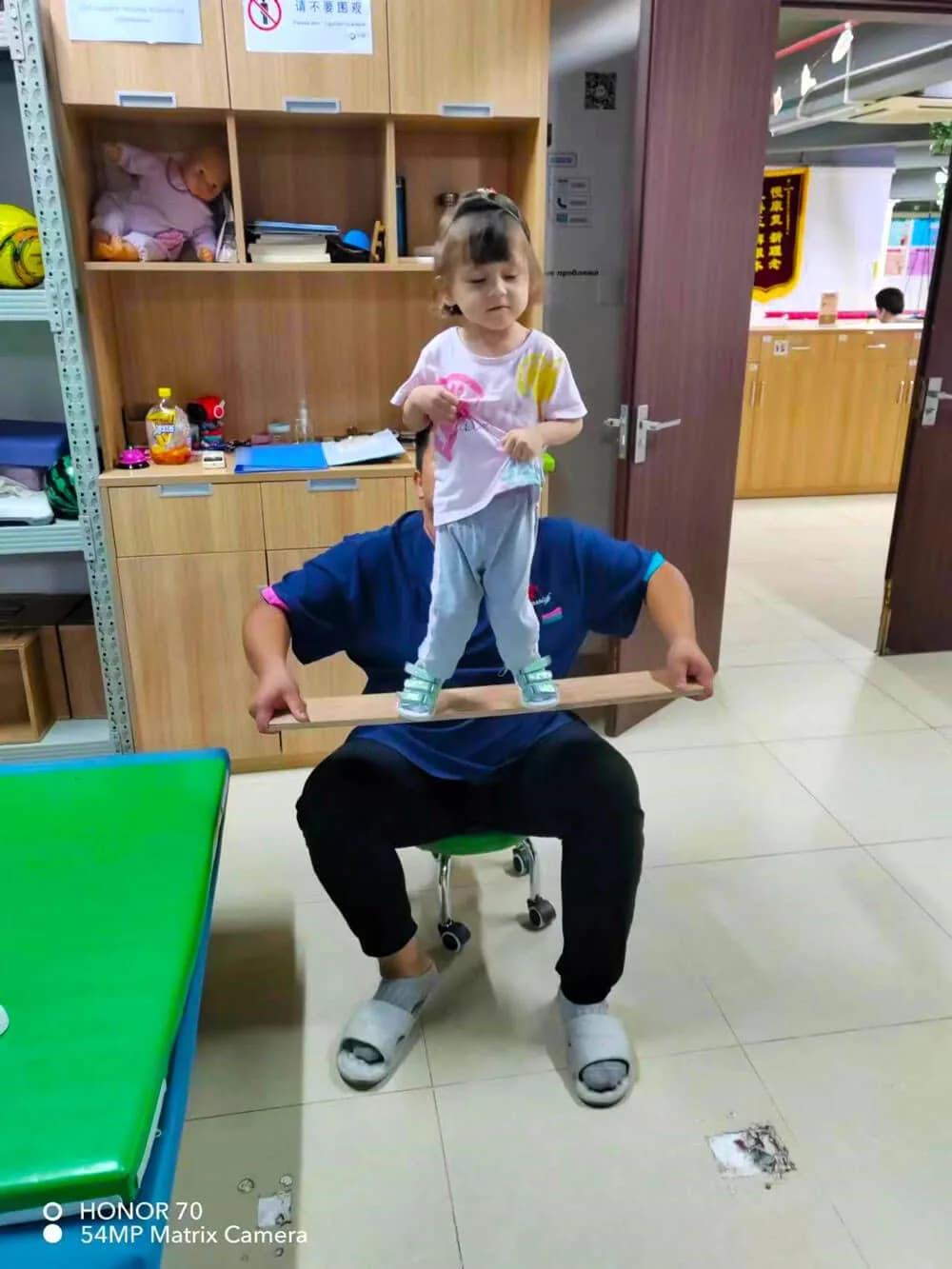
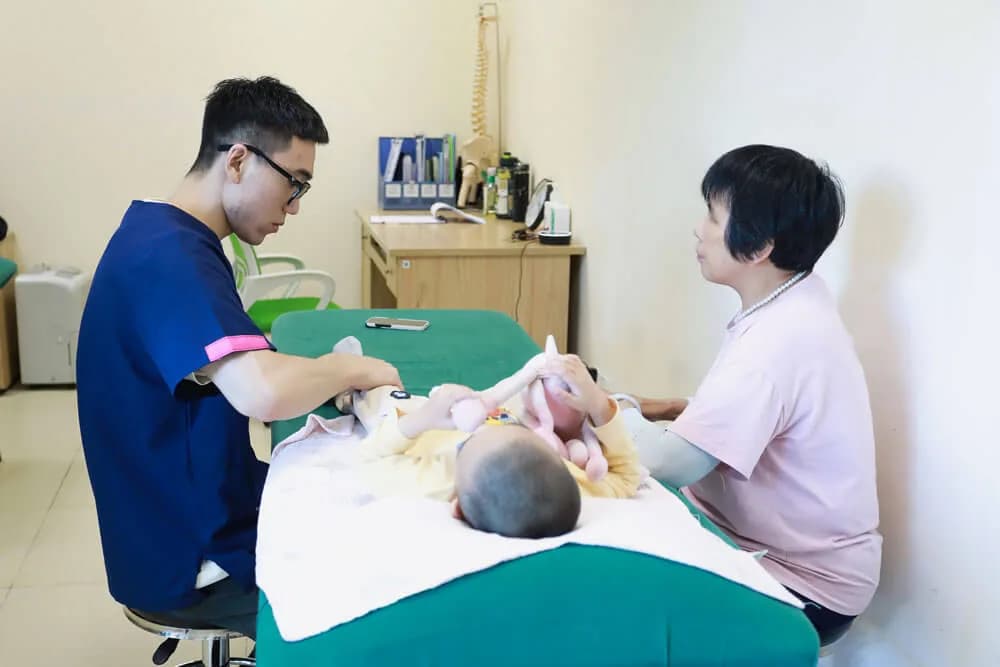
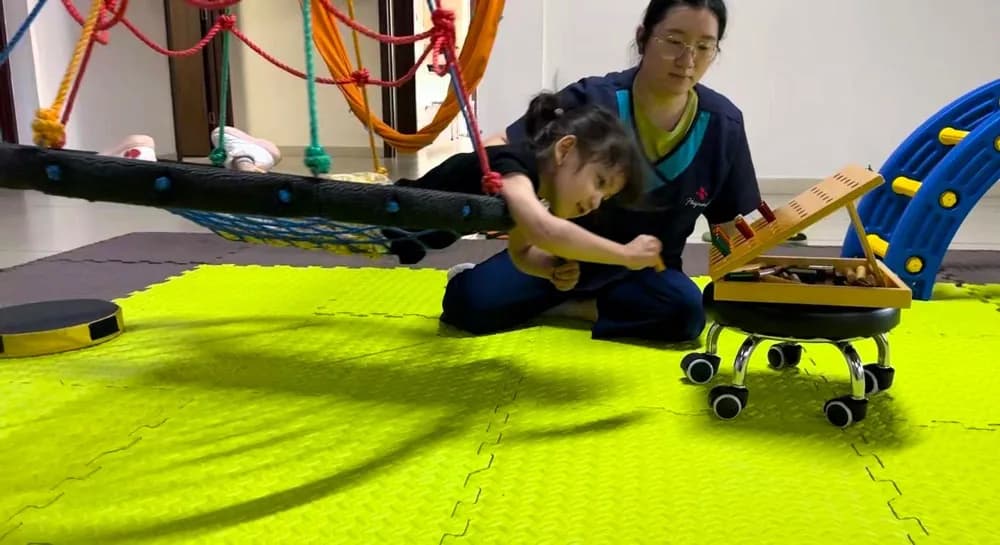
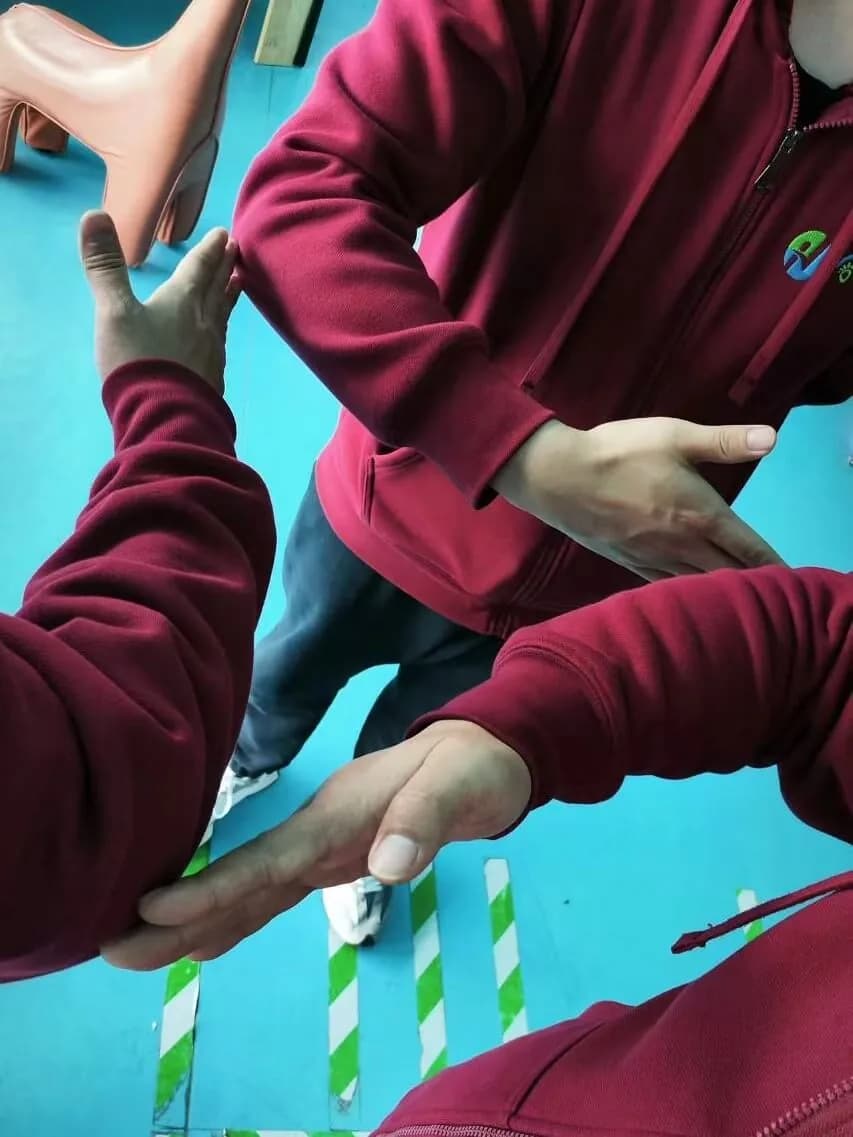
- Physical therapy following the Bobath and Vojta principles together with kinesiotherapy — forming correct movement patterns;
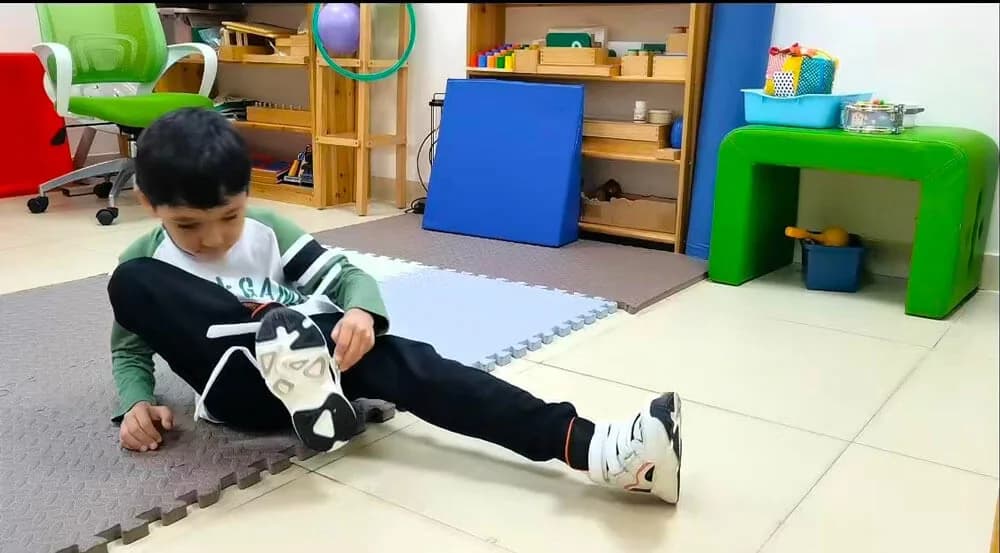
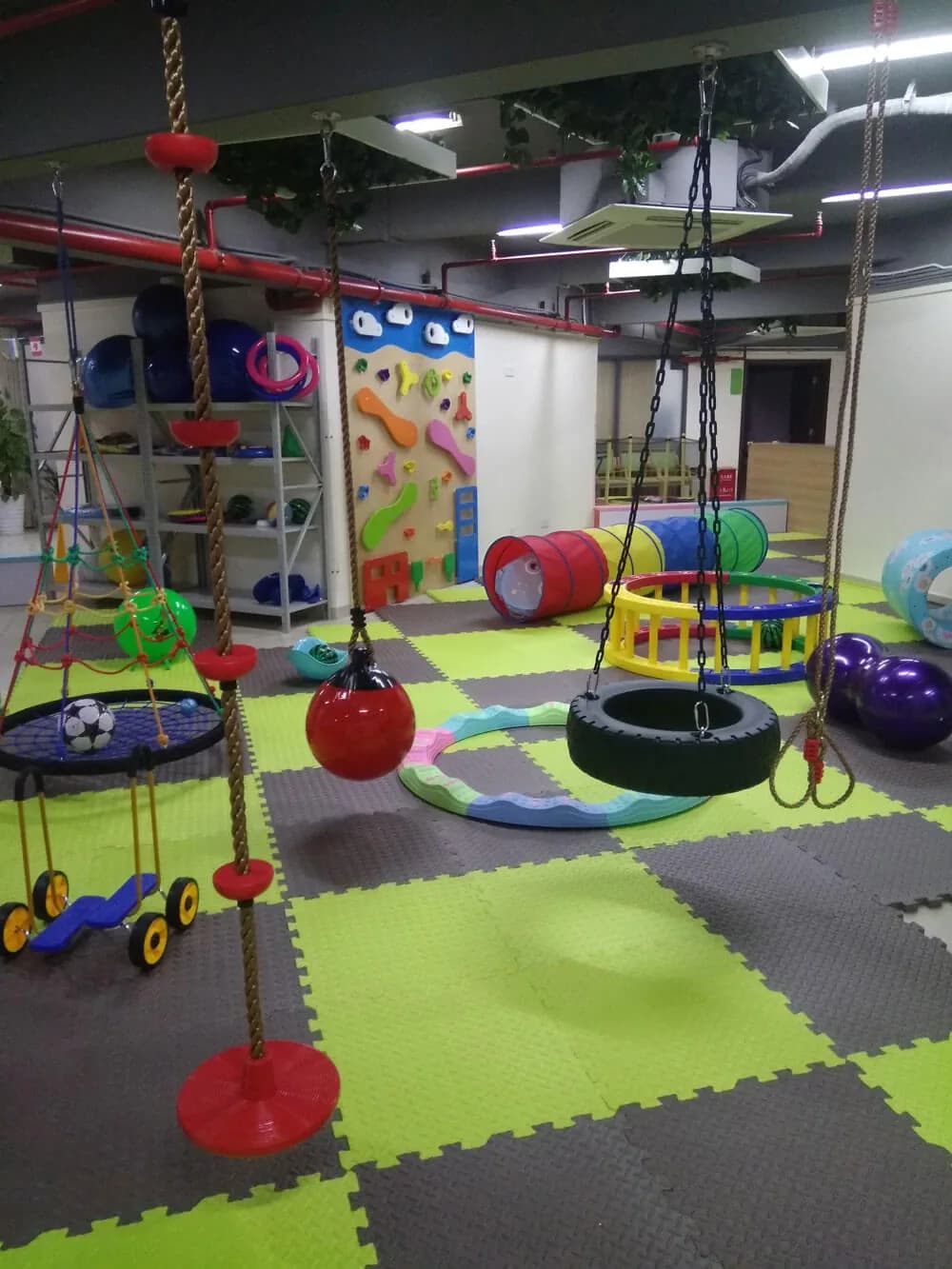
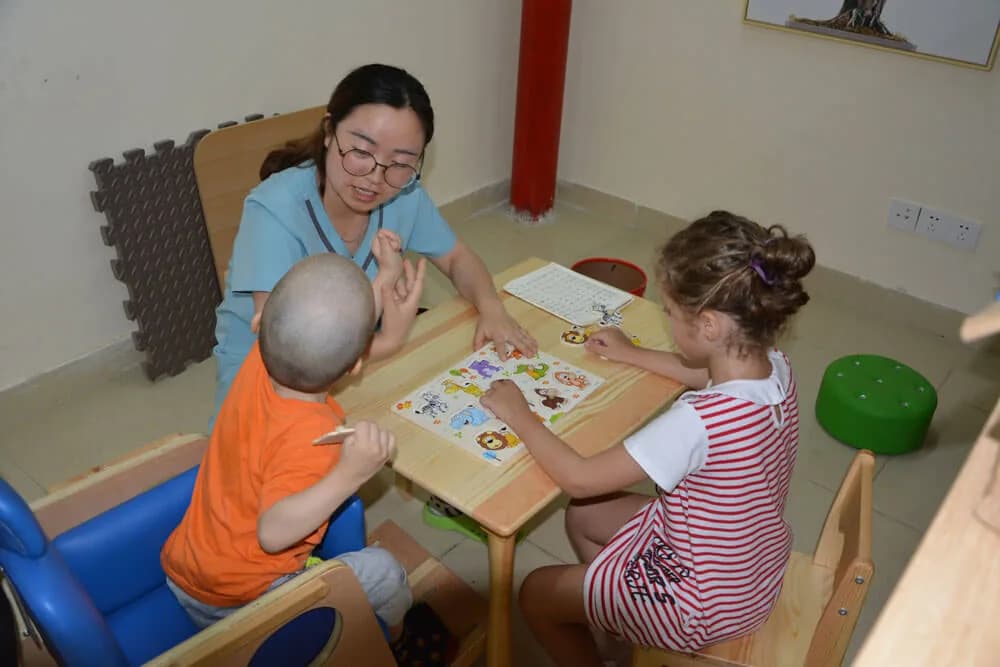
- Sensory integration and occupational therapy — developing everyday skills and independence;
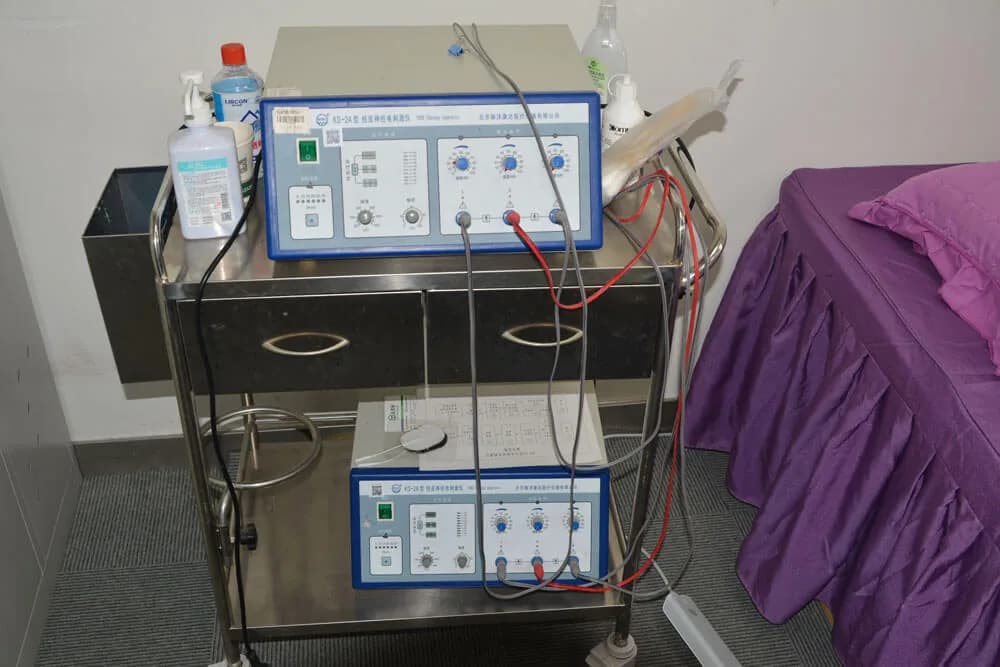
- Device-based techniques — dynamic activation under the CME protocol, psychomotor rehabilitation (PMT), and modern physiotherapy;
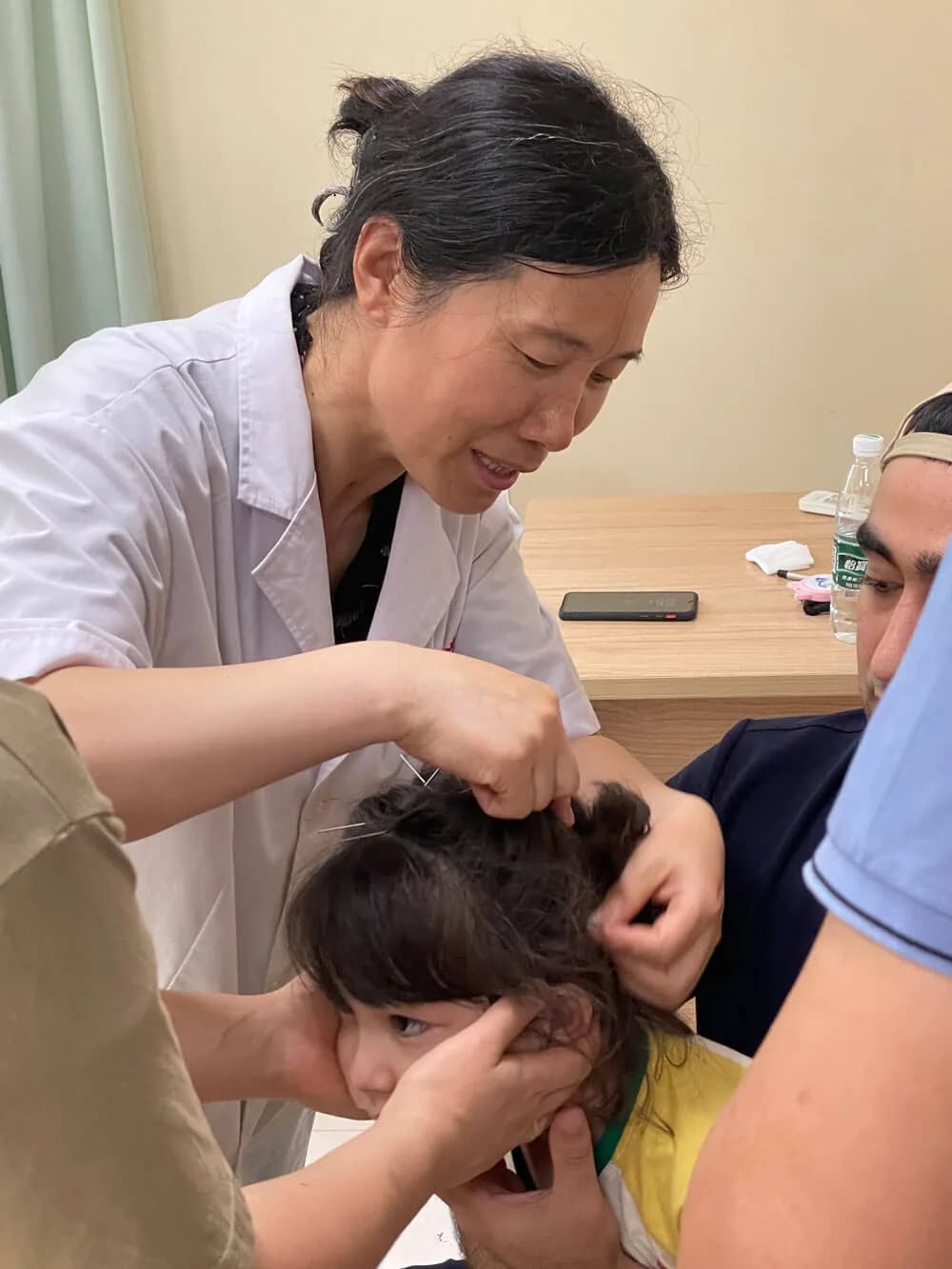
- Scalp acupuncture by Prof. Jiao Shunfa (焦顺发) — targeting motor zones of the cortex through scalp acupuncture points;
- Acupotomy, Tuina massage, and herbal baths — relieving spasticity and improving muscle trophism;
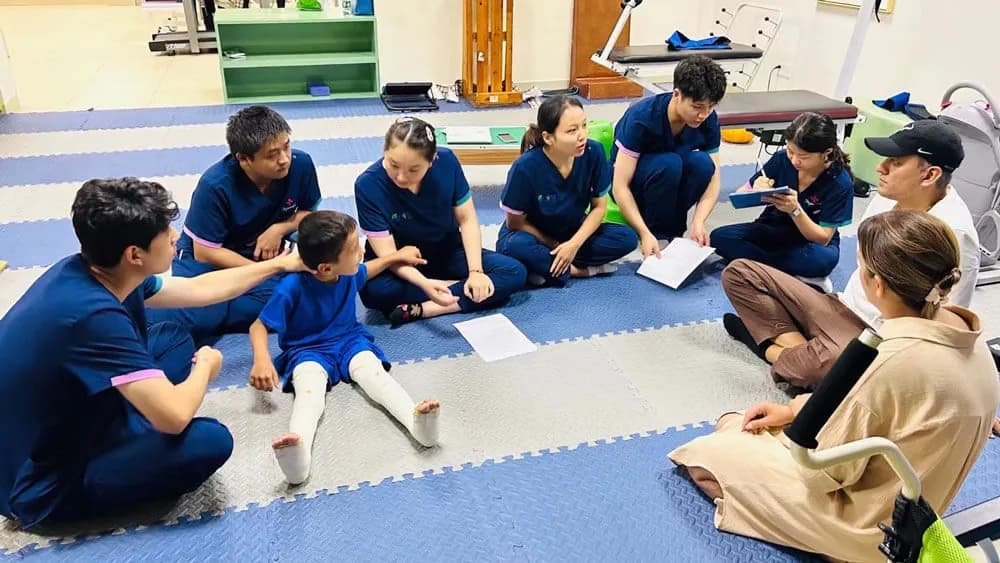
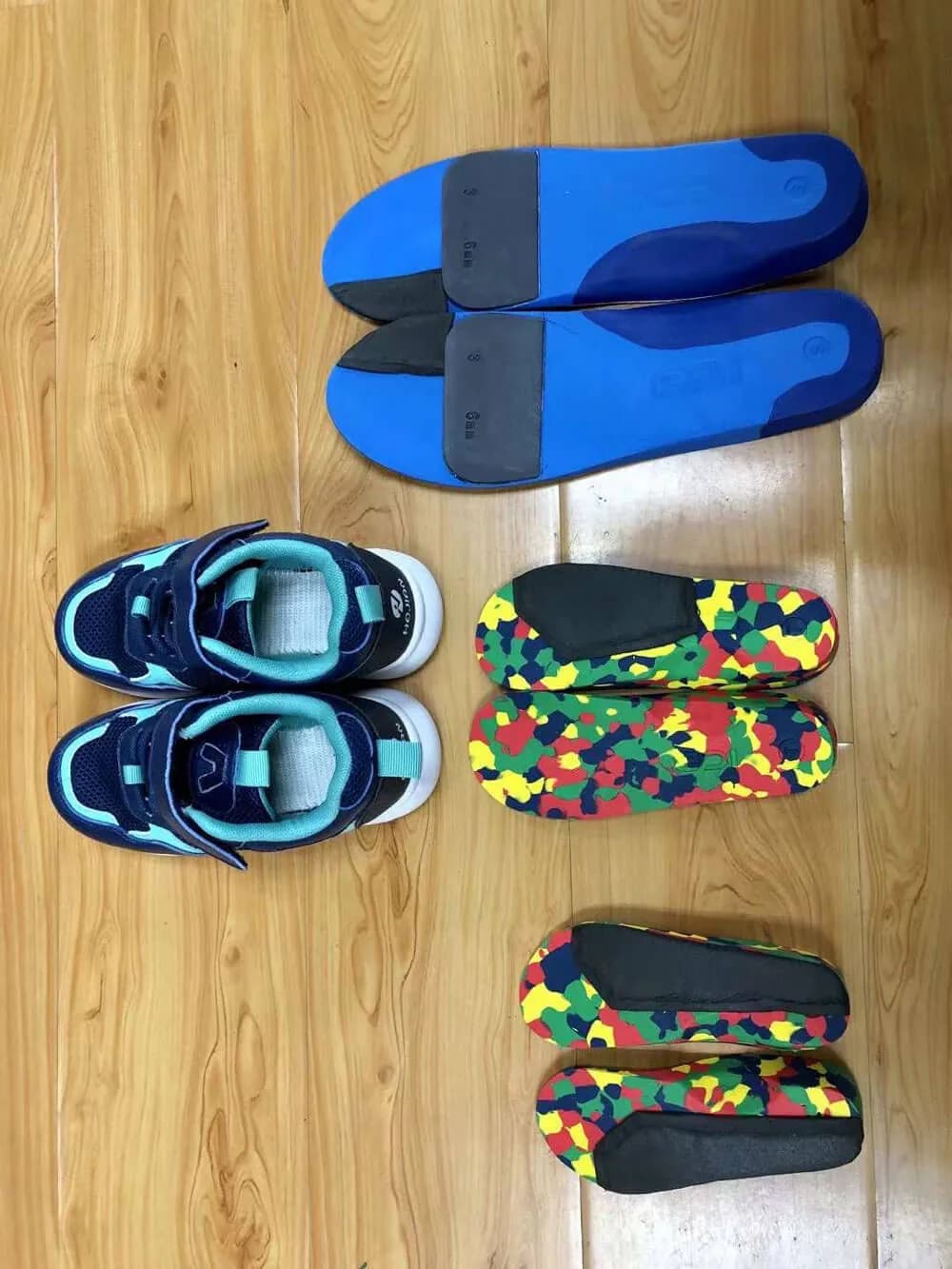
- Speech therapy and custom biomechanical orthopedic insoles, and — when indicated — modified Ponseti casting to correct foot deformities.
All streams are connected into a single multidisciplinary program: the methods reinforce one another, and the load and goals are revised as the course progresses.
Causes
Cerebral palsy is caused by damage to the developing brain in the perinatal period: intrauterine hypoxia, birth asphyxia, intracranial hemorrhage in premature infants, severe neonatal jaundice with bilirubin encephalopathy, intrauterine infections (TORCH complex), and genetic syndromes. Less often the cause is traumatic brain injury or neuroinfection in the first months of life.
Symptoms
Spasticity (increased muscle tone) or hypotonia, pathological reflexes (asymmetric tonic neck reflex, tonic labyrinthine reflex), delayed motor milestones (the child does not hold the head, sit, or walk at the expected age), coordination disturbances, abnormal gait patterns (scissor gait in diplegia, spastic hemiplegic posture), associated speech and intellectual impairment in about half of patients, and epileptic seizures in a subset of children.
Diagnostics
Brain MRI to assess structural changes, neurological examination and grading on the GMFCS scale (1–5), video-based motor function diagnostics (gait analysis), and — if needed — electroencephalography to look for epileptic activity, and assessment of speech and psychological status. An individual rehabilitation plan is then drawn up based on the results.
Prognosis
Early rehabilitation (before age 5) provides the maximum potential — the child's brain retains high plasticity. With a systematic approach, a 1–2 level shift on the GMFCS scale is recorded in most children, along with an expanded range of motion and the emergence of new motor skills. For children with severe forms (GMFCS 4–5) the goal is improved quality of life, contracture prevention, and better communication.
How we treat
Diagnostics
Comprehensive examination and patient assessment by an international team of specialists
Treatment plan
Development of an individual rehabilitation program considering diagnosis specifics
Therapy
Intensive course of procedures: physical therapy, massage, physiotherapy, acupuncture and other methods
Results
Progress evaluation, home recommendations and maintenance therapy plan
Procedures for treating Cerebral Palsy
Questions about treatment of Cerebral Palsy
Book a free consultation
A doctor will review your documents and provide recommendations within 30 minutes.