Treatment of TBI in Huizhou
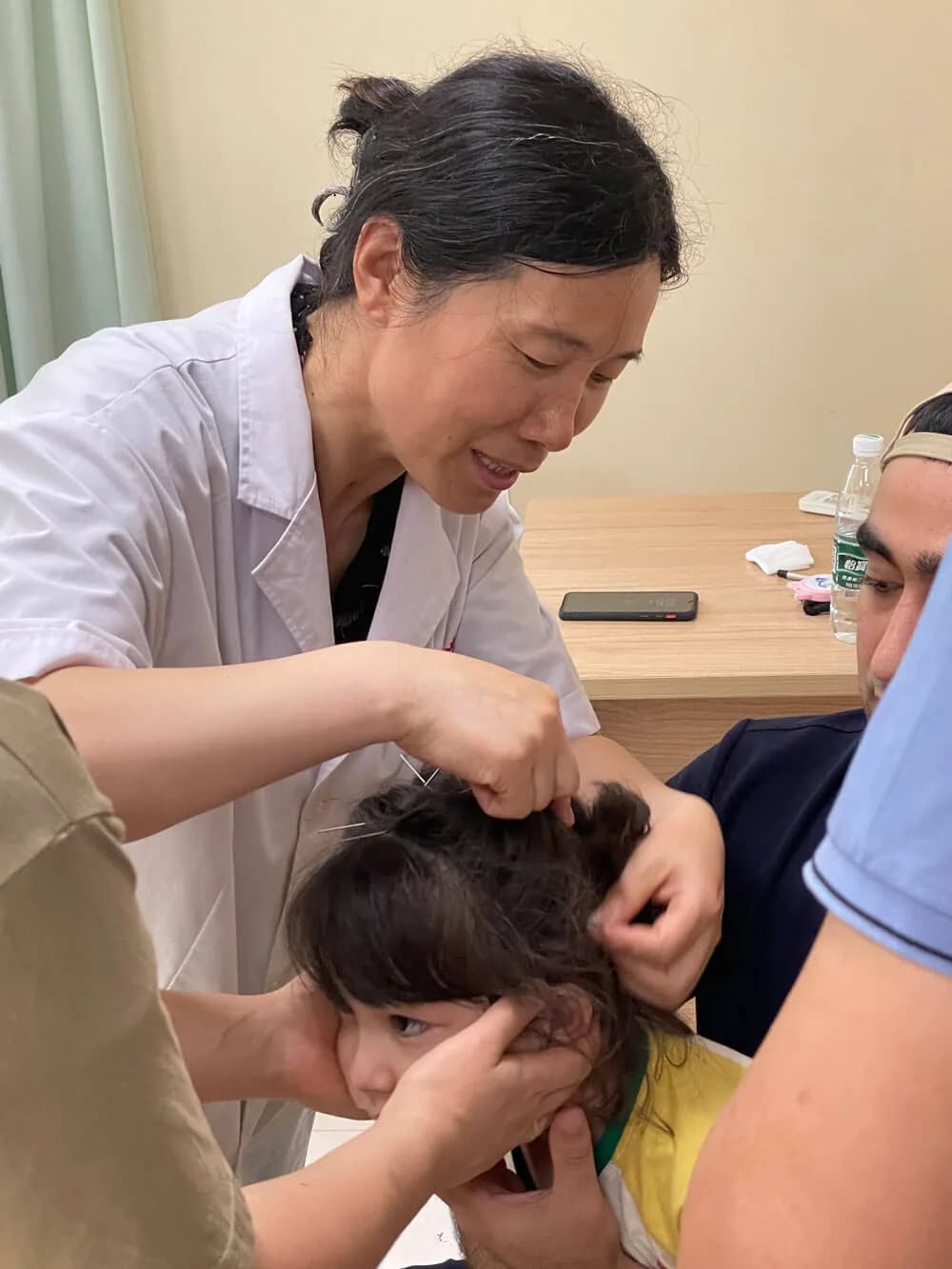
Rehabilitation after traumatic brain injury is a direction where NeuroLife Huizhou applies a unique Chinese heritage. The core of the program is scalp acupuncture by Prof. Jiao Shunfa (焦顺发), targeting motor cortex zones and Broca's area. We add acupotomy, Qigong and Taiji practices for coordination recovery, and Western PT/OT/ST methods. The program is tailored to injury severity (S06.0–S06.9) and recovery stage.
What is Traumatic Brain Injury?
Traumatic brain injury (TBI) is damage to skull tissues and/or the brain caused by mechanical impact. ICD-10 codes it under S06: concussion (S06.0), traumatic edema (S06.1), diffuse axonal injury (S06.2), focal injury (S06.3), epidural and subdural hemorrhages (S06.4–S06.6), and others. In children the typical causes are road accidents, falls, sports injuries, household trauma, and in some cases birth trauma.
In the acute phase (hospital) the main goals are vital function stabilization and neurosurgical intervention if needed. The rehabilitation phase then begins, and patients from Russia, Uzbekistan, and the local area come to us in Huizhou. The key principle is an early start: the first weeks after stabilization open the window of maximum neuroplasticity, in which rehabilitation delivers the greatest effect.
At NeuroLife Huizhou we build the program individually around injury severity and recovery stage. After mild TBI (concussion, S06.0) the focus shifts to cognitive function, sleep normalization, and relief of post-concussion syndrome; after moderate and severe TBI — to work on paresis, aphasia, and cognitive deficits. The program combines a unique Chinese heritage with Western techniques:
- Scalp acupuncture by Prof. Jiao Shunfa (焦顺发) — placing thin needles over the projections of the motor and language cortex zones; the method is proven in Chinese studies for post-stroke and post-TBI rehabilitation;
- Acupotomy — a minimally invasive technique for relieving muscle rigidity after prolonged immobilization;
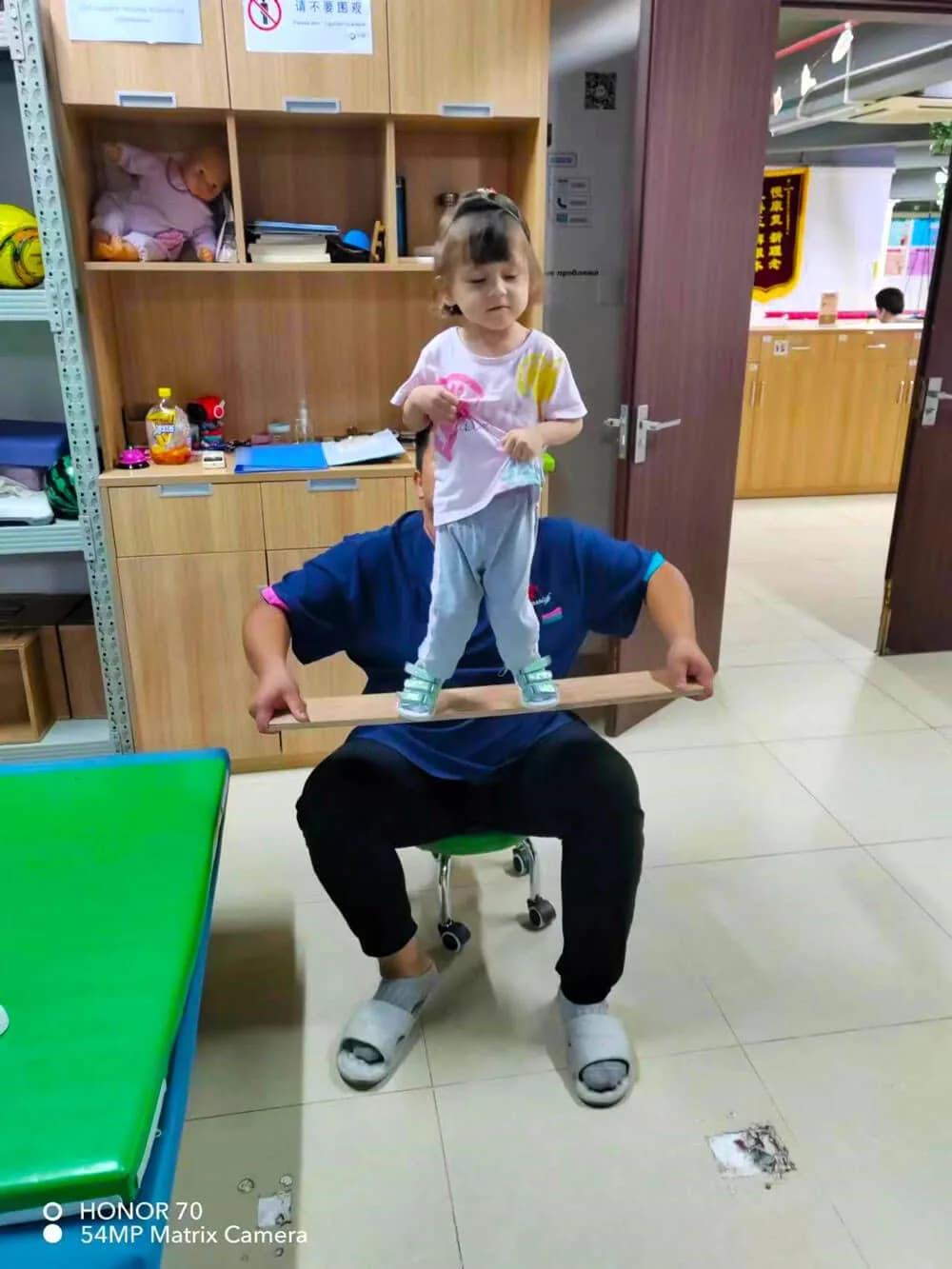
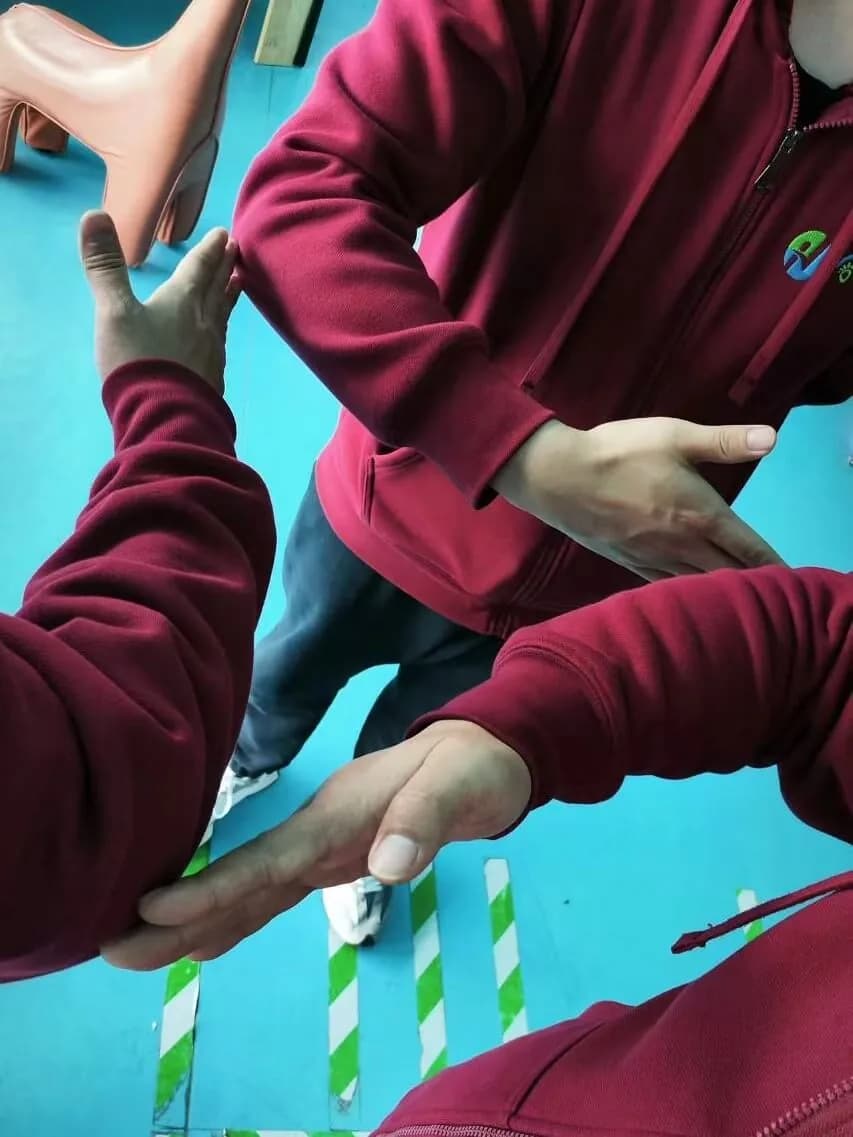
- Qigong and Taiji — slow, mindful movements for restoring coordination, balance, and proprioception, especially in adolescents and young adults;
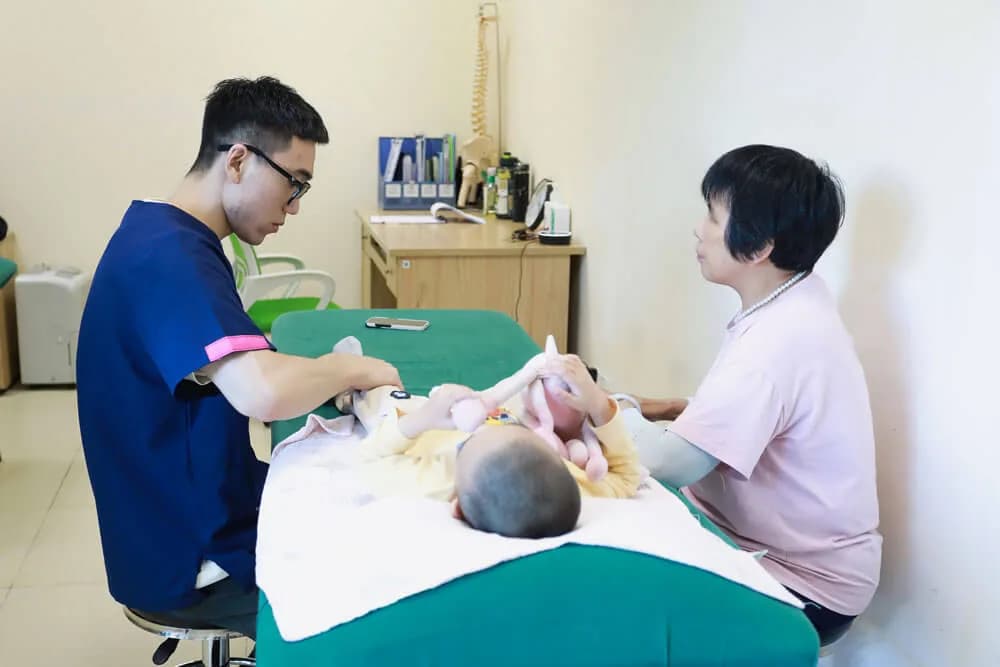
- Therapeutic exercise and kinesiotherapy — restoring strength and range of motion;
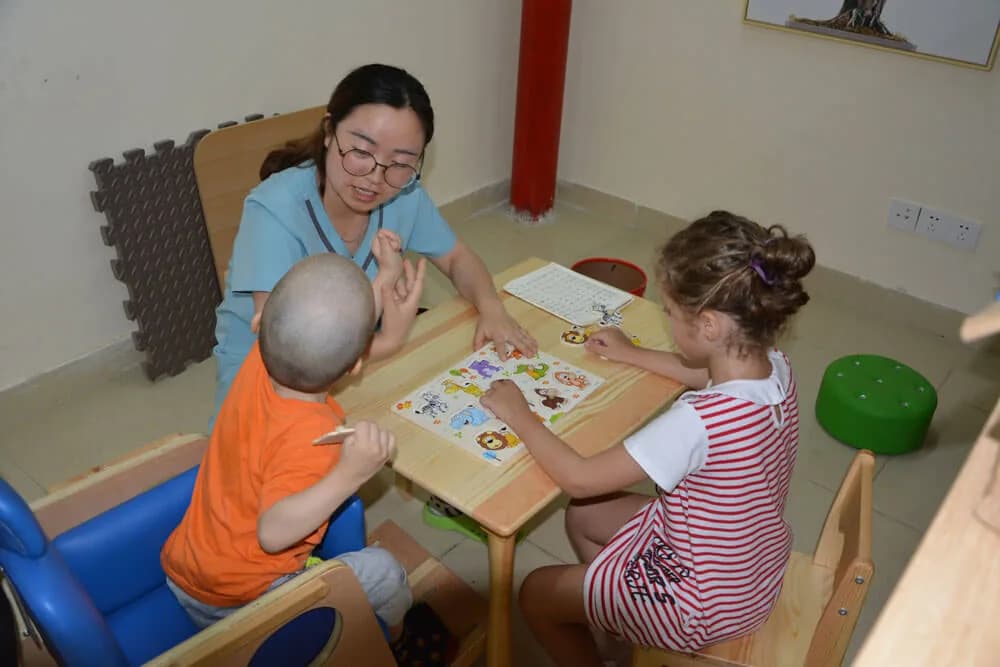
- Speech therapy for motor, sensory, and amnestic aphasia — usually a key part of the program;
- Occupational therapy — return to daily living and, when age allows, school and work loads;
- CME and PMT — dynamic activation of motor zones and emotional-motor integration.
All streams are connected into a single multidisciplinary program: the Chinese and Western methods reinforce one another, and the load and goals are revised as the course progresses, depending on the pace of recovery.
Causes
In children and adolescents — road accidents (especially pedestrians and cyclists), falls from height, sports injuries (contact sports), household trauma. In newborns — birth trauma during pathological deliveries. In young adults — road accidents and occupational injuries. A subset of patients comes in after repeated mild trauma with cumulative cognitive deficit.
Symptoms
Motor impairments (paresis, paralysis), aphasias (motor, sensory, amnestic), cognitive deficits (memory, attention, executive function disorders), emotional disturbances (depression, anxiety, emotional lability), sleep disorders, headaches, fatigue. In some patients — post-traumatic epilepsy. Symptoms depend on injury location and severity.
Diagnostics
Acute phase — CT (fast detection of hemorrhages and fractures), MRI to assess structural changes and diffuse axonal injury. Glasgow Coma Scale (GCS). After stabilization — functional MRI if needed, cognitive assessment (neuropsychological tests), motor and speech evaluations. EEG to rule out epilepsy.
Prognosis
Depends on severity: mild TBI usually fully resolves in 4–8 weeks with proper management. Moderate — partial recovery in 3–6 months. Severe (especially diffuse axonal injury) — prolonged rehabilitation with variable outcomes; in some patients persistent deficits remain. Early start of rehabilitation (first 4 weeks after stabilization) is the critical success factor.
How we treat
Diagnostics
Comprehensive examination and patient assessment by an international team of specialists
Treatment plan
Development of an individual rehabilitation program considering diagnosis specifics
Therapy
Intensive course of procedures: physical therapy, massage, physiotherapy, acupuncture and other methods
Results
Progress evaluation, home recommendations and maintenance therapy plan
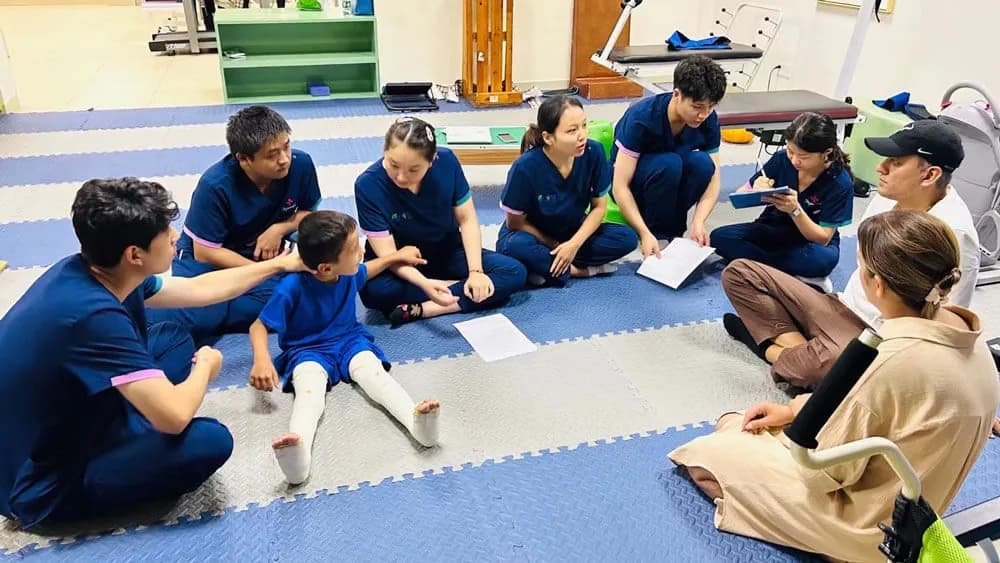
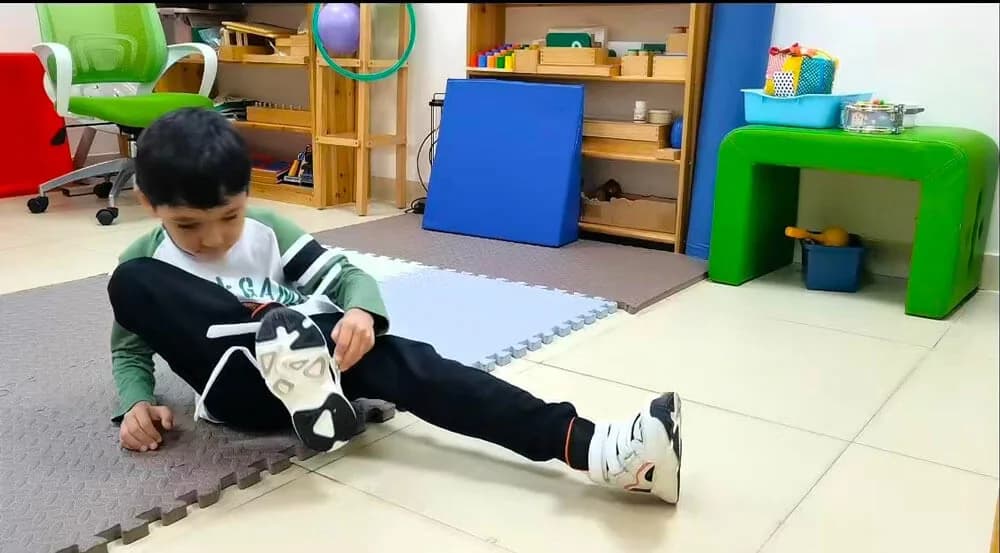
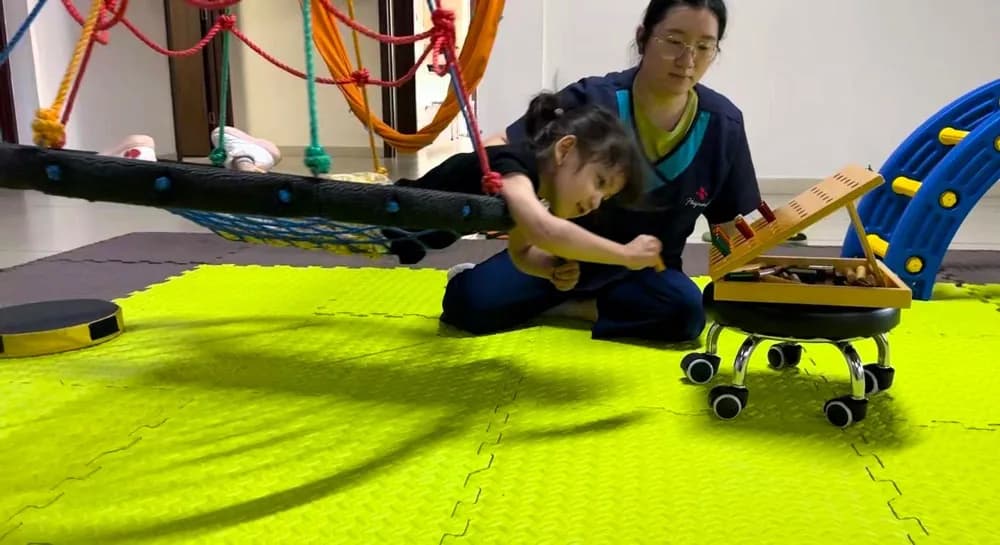
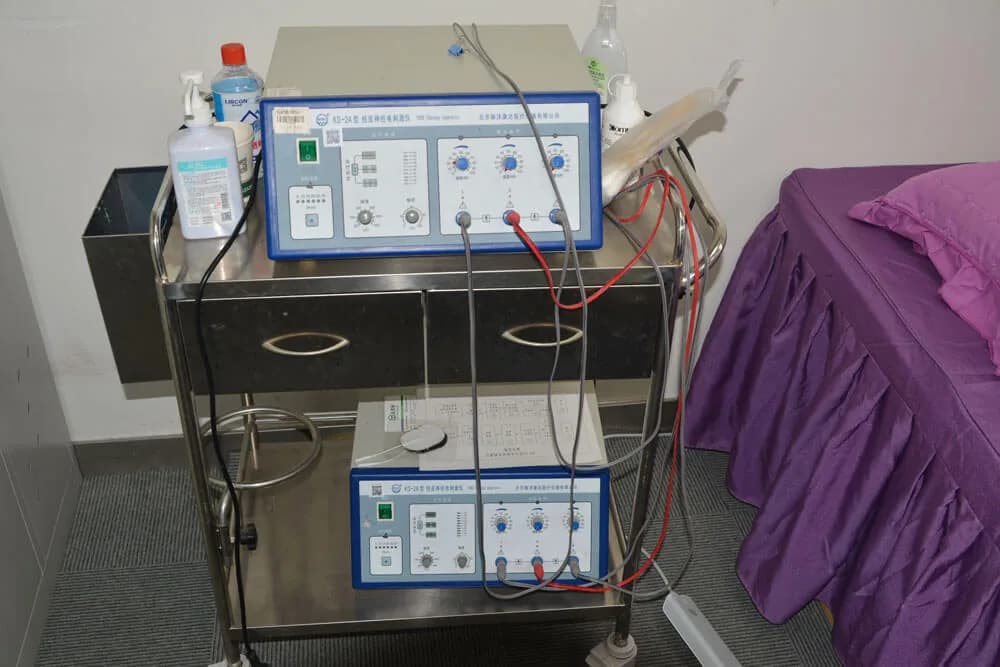
Procedures for treating Traumatic Brain Injury
Questions about treatment of Traumatic Brain Injury
Book a free consultation
A doctor will review your documents and provide recommendations within 30 minutes.