
Treatment of Speech delay in Huizhou
An integrated program for children with developmental speech delay and mild-to-moderate intellectual disability. NeuroLife Huizhou combines behavioral and play therapy with speech therapy and, in parallel, traditional Chinese medicine: acupuncture, Tuina massage, and individually tailored herbal blends for sleep and emotional regulation. A dedicated focus is the parent school.
What is Developmental Speech Delay & Intellectual Disability?
Developmental speech delay (DSD, F80.9) and intellectual disability (F70-F79) are related but not identical concepts. DSD is a lag relative to age-typical pace in speech and mental development, potentially reversible with early therapy. Intellectual disability is a persistent reduction in intellectual functions, usually diagnosed after age 5. These diagnoses often co-exist, and in practice we see a spectrum of conditions requiring a similar approach: intensive stimulation of cognitive development, targeted speech work, and emotional and behavioral regulation.
At NeuroLife Huizhou we combine these streams into one flexible program. The key is early start: the critical window is age 2–6, when cortical language centers and semantic-processing pathways are most plastic. After age 7 the work is harder but not hopeless — especially with parallel sensorimotor support.
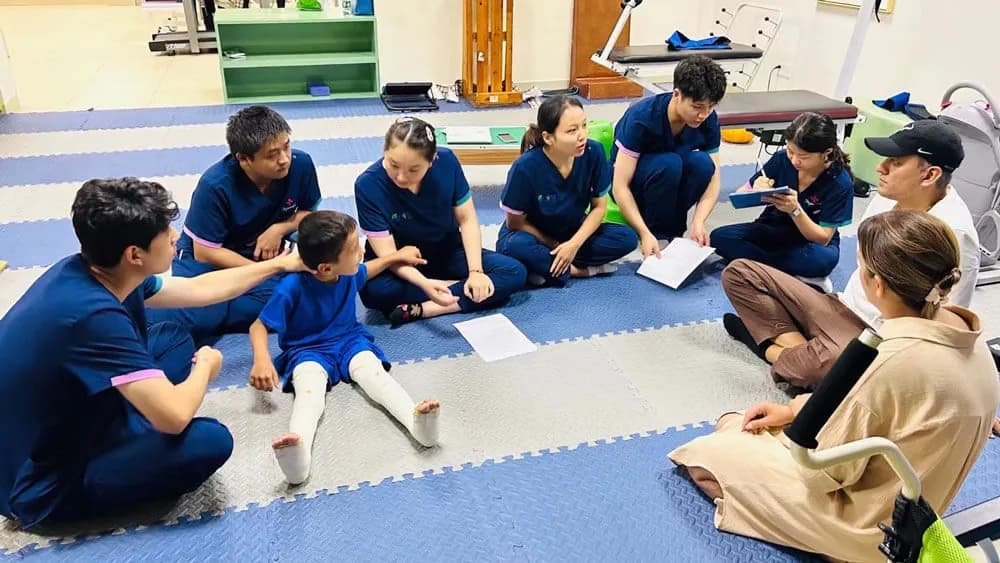
At NeuroLife Huizhou we build the program individually around a comprehensive assessment of speech, general intellectual development (where possible), and the motor and sensory profile; in cases with ASD-like symptoms we additionally perform VB-MAPP. The course lasts 2–3 months and combines modern speech therapy with traditional Chinese medicine:
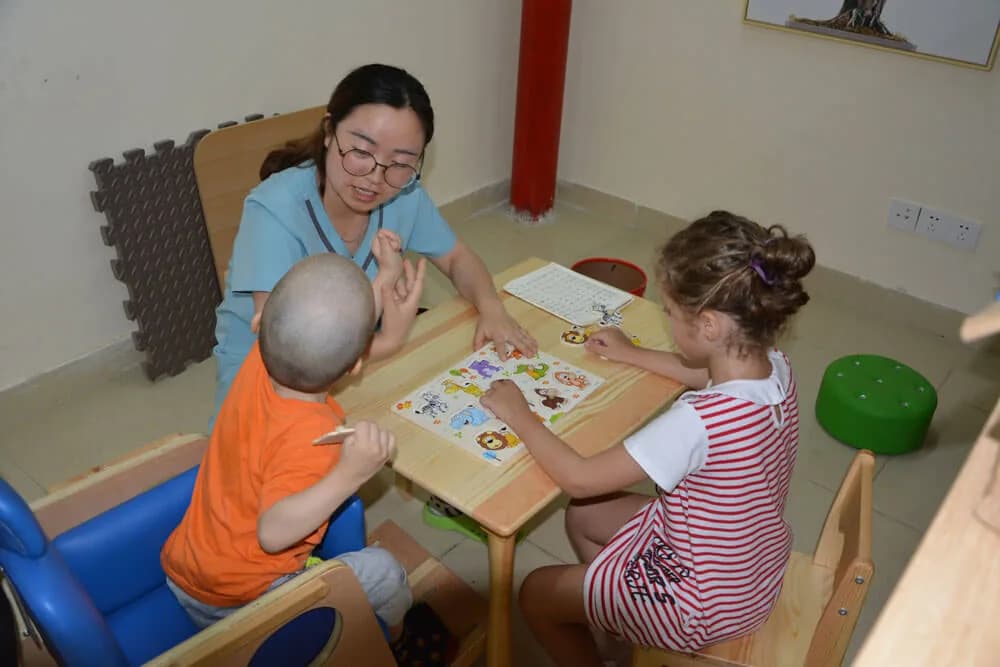
- Modern speech therapy with elements of play therapy — expanding passive and active vocabulary, developing dialogue, grammar, and phonetics;
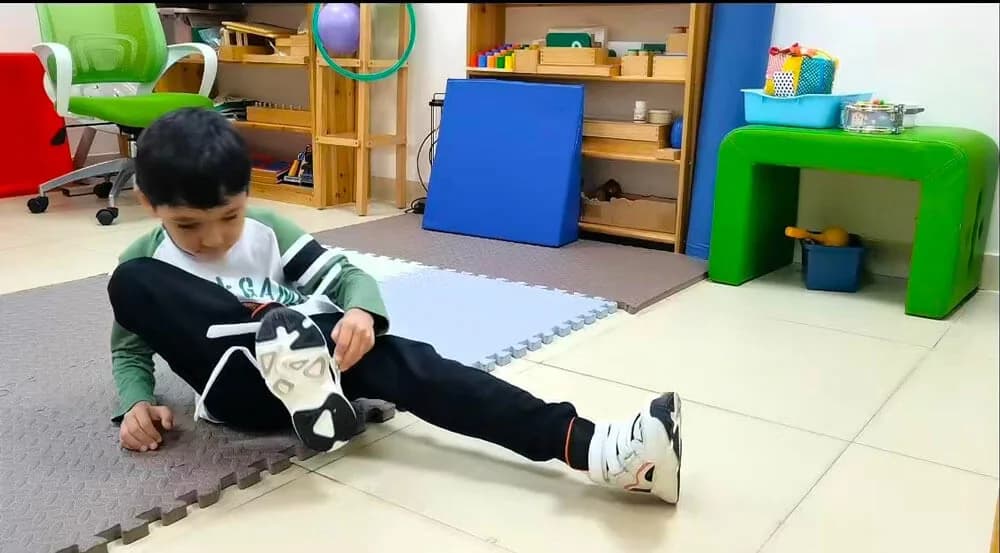
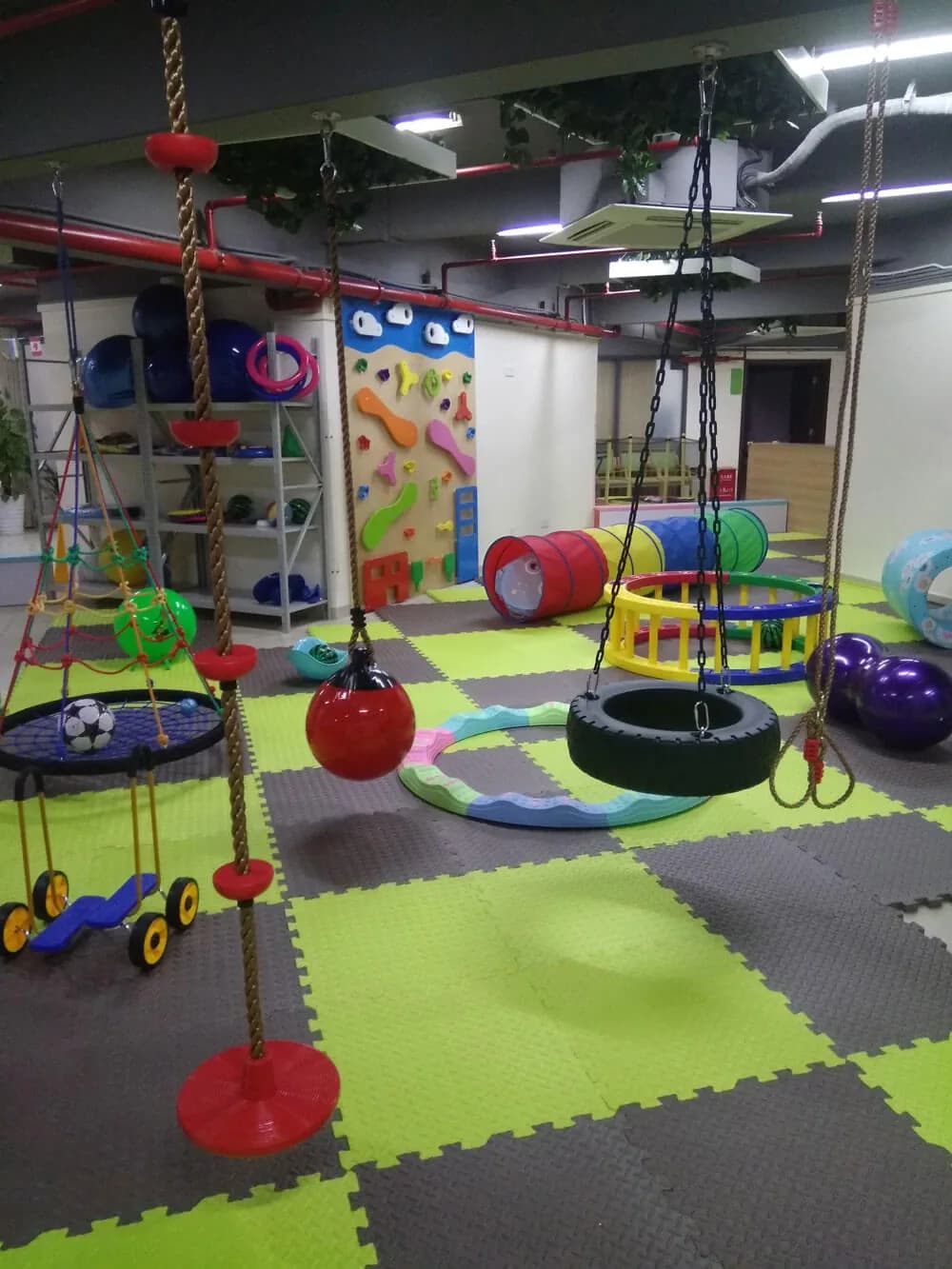
- Sensory integration and occupational therapy — daily-living and school readiness;
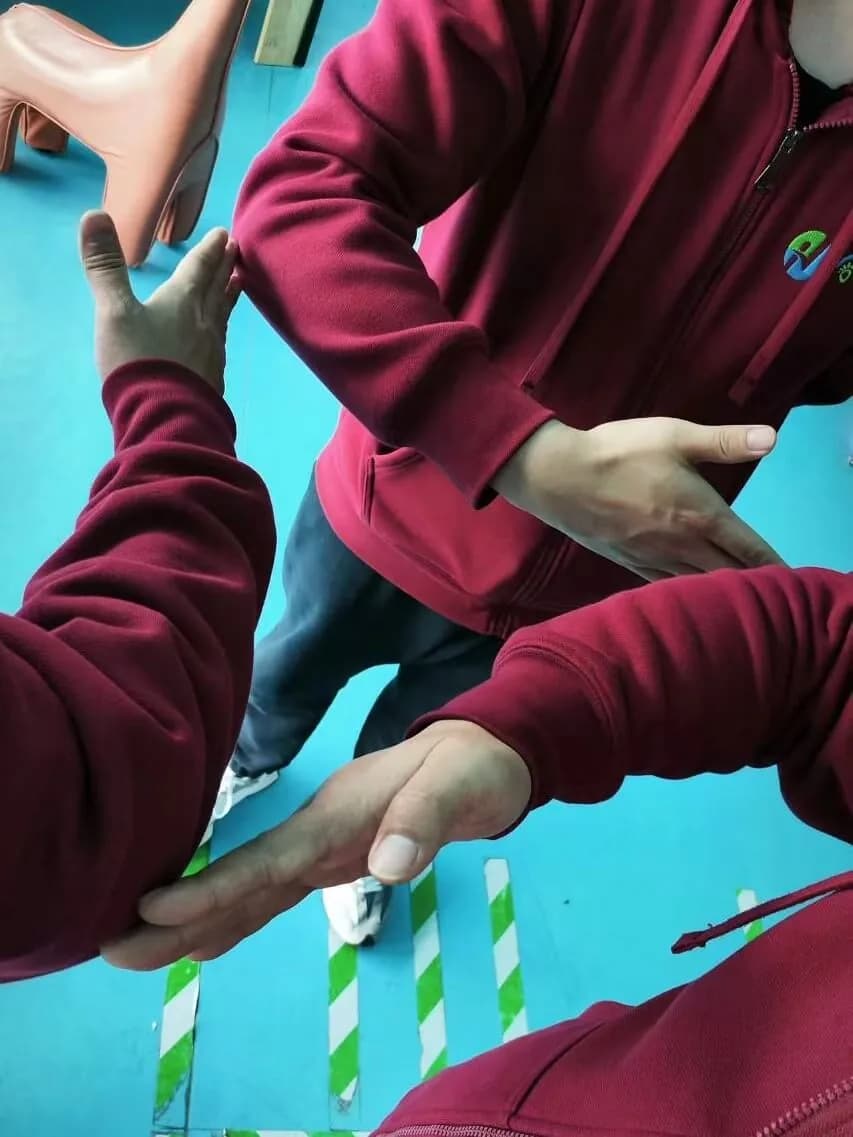
- Psychomotor rehabilitation (PMT) — a French method in which movement, emotion, and socialization work together;
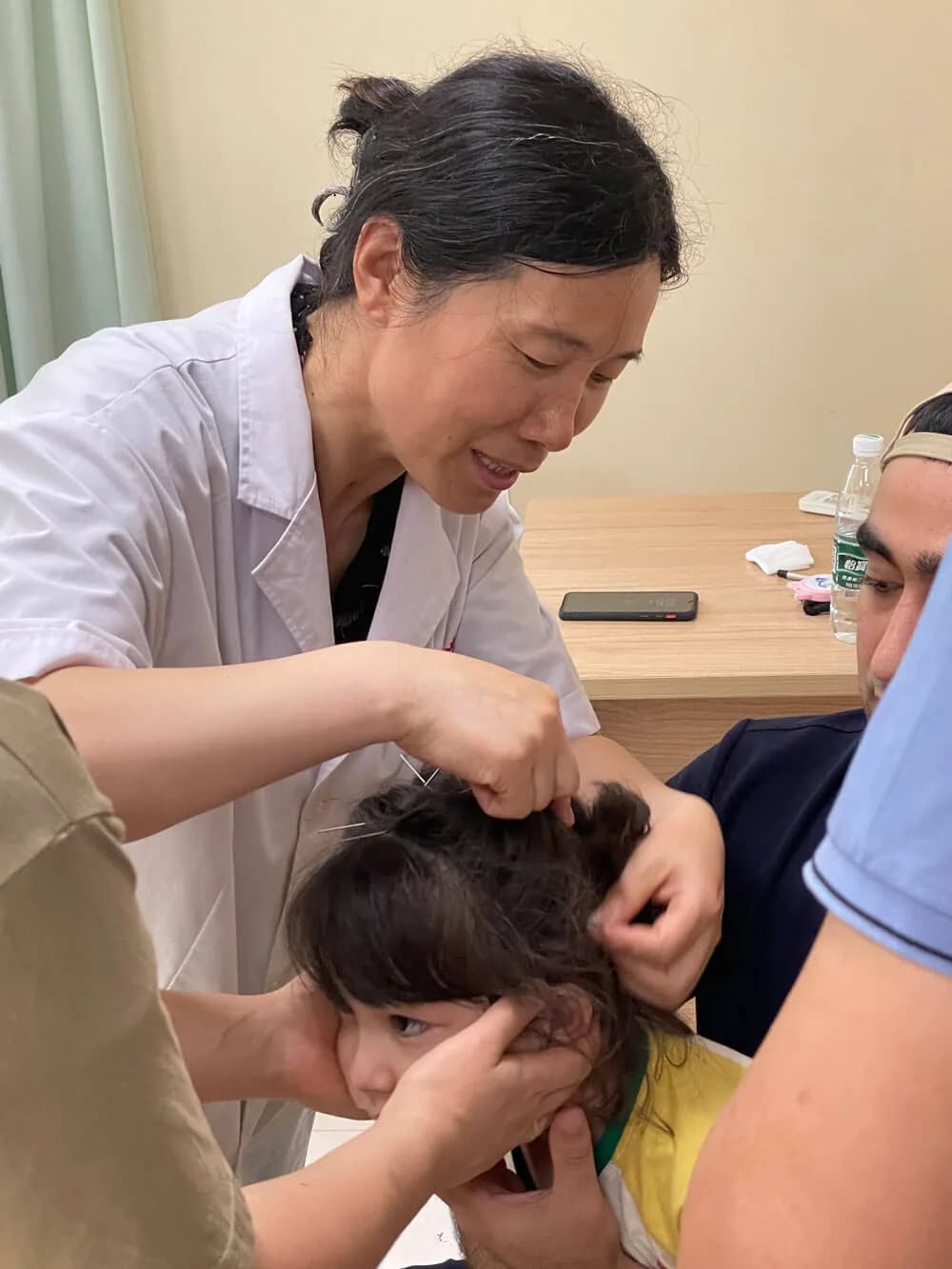
- Acupuncture following a pediatric protocol with gentle stimulation parameters — normalizing sleep and reducing anxiety;
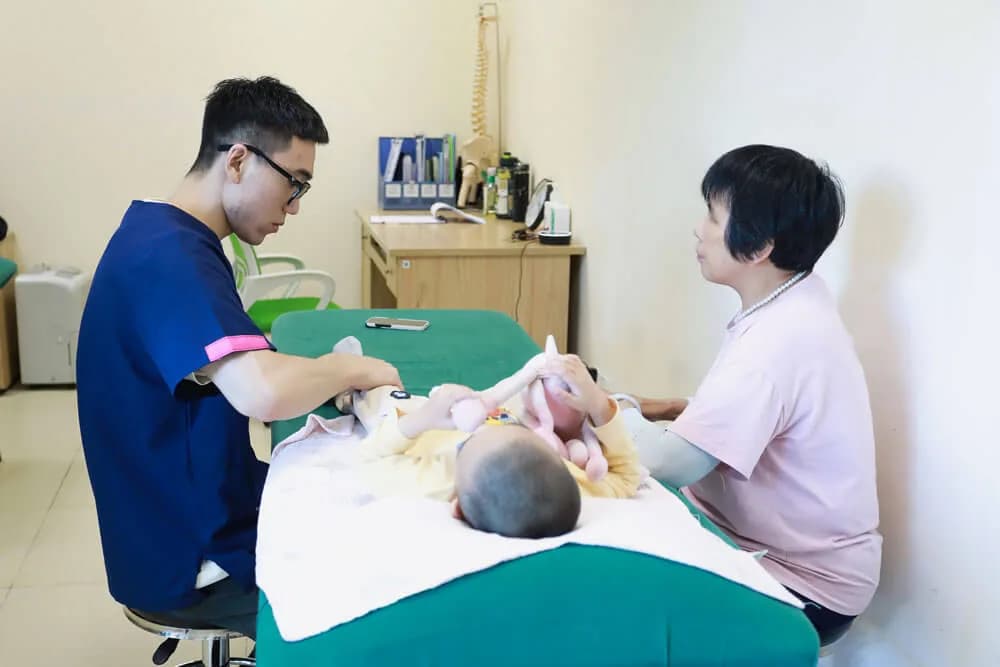
- Tuina massage and individually selected herbal blends — regulating the emotional state and sleep, which directly raises the effectiveness of speech sessions.
If a genetic cause is identified, we tailor the program to the syndrome-specific features and coordinate the work with the home geneticist. All streams are connected into a single multidisciplinary program, and the load and goals are revised as the course progresses.
Causes
Multiple. Perinatal complications (hypoxia, prematurity), intrauterine infections, genetic syndromes, language-deprived environments, lack of sensory stimulation, psychosocial factors, hearing loss (often missed). For intellectual disability — the same plus chromosomal abnormalities (Down syndrome), neurometabolic disorders, sequelae of severe neuroinfections.
Symptoms
Delayed onset of speech (no first words by 18 months, no phrases by 2 years), poor vocabulary, egocentric or echolalic speech, grammar and connected-speech problems. In children with ID — slow acquisition of new skills, narrow interests, difficulty with abstraction, lagging daily-living skills. Often — sleep disturbance, emotional lability, hyperactivity.
Diagnostics
Pediatric examination, speech evaluation, neuropsychological testing. Standardized developmental scales. In children over 5 — formal intelligence assessment (WISC, K-ABC). Hearing screening is mandatory. As indicated — MRI, EEG, genetic screening. Differential diagnosis with ASD is done via VB-MAPP and clinical observation.
Prognosis
With early start and systematic work DSD often fully compensates by school age. In children with ID, potential depends on severity: mild — inclusive education is feasible, moderate — the curriculum is adapted. The family's role is critical: home practice and a supportive environment double the effect of the clinical program.
How we treat
Diagnostics
Comprehensive examination and patient assessment by an international team of specialists
Treatment plan
Development of an individual rehabilitation program considering diagnosis specifics
Therapy
Intensive course of procedures: physical therapy, massage, physiotherapy, acupuncture and other methods
Results
Progress evaluation, home recommendations and maintenance therapy plan
Procedures for treating Developmental Speech Delay & Intellectual Disability
Questions about treatment of Developmental Speech Delay & Intellectual Disability
Book a free consultation
A doctor will review your documents and provide recommendations within 30 minutes.