
Treatment of Post-surgery in Huizhou
Post-surgical rehabilitation for children with CP and orthopedic conditions. NeuroLife Huizhou accepts patients after neurosurgical procedures (SDR, SPML, SLOB) and orthopedic operations (hip osteotomy, Achilles lengthening). The surgeries themselves are performed by our partners — Yuncheng Orthopedic Research Institute, neurosurgical centers in Guangzhou — and the full rehabilitation program runs at our clinic.
What is Post-surgical Rehabilitation?
Post-surgical rehabilitation is a critical stage in the management of children with CP, spasticity, or severe orthopedic deformity. The surgery itself (for example, selective dorsal rhizotomy SDR, selective minimally invasive myofibrotomy SPML, or orthopedic interventions such as SLOB and hip osteotomy) only creates a window of opportunity — to consolidate the effect and form new movement patterns requires systematic rehabilitation.
The Chinese medical system has developed an interesting architecture. Surgeries for international patients are performed in specialized centers: Yuncheng Orthopedic Research Institute (Assoc. Prof. Liu Hejian — author of modified SPML and Ponseti protocols), neurosurgical clinics in Guangzhou. Rehabilitation runs at our clinic in Huizhou, in a comfortable family-friendly environment with the full method set and no long waiting lists. The cost advantage is significant: surgery in China is markedly cheaper than European alternatives, and on-site rehabilitation eliminates the cross-border logistics.
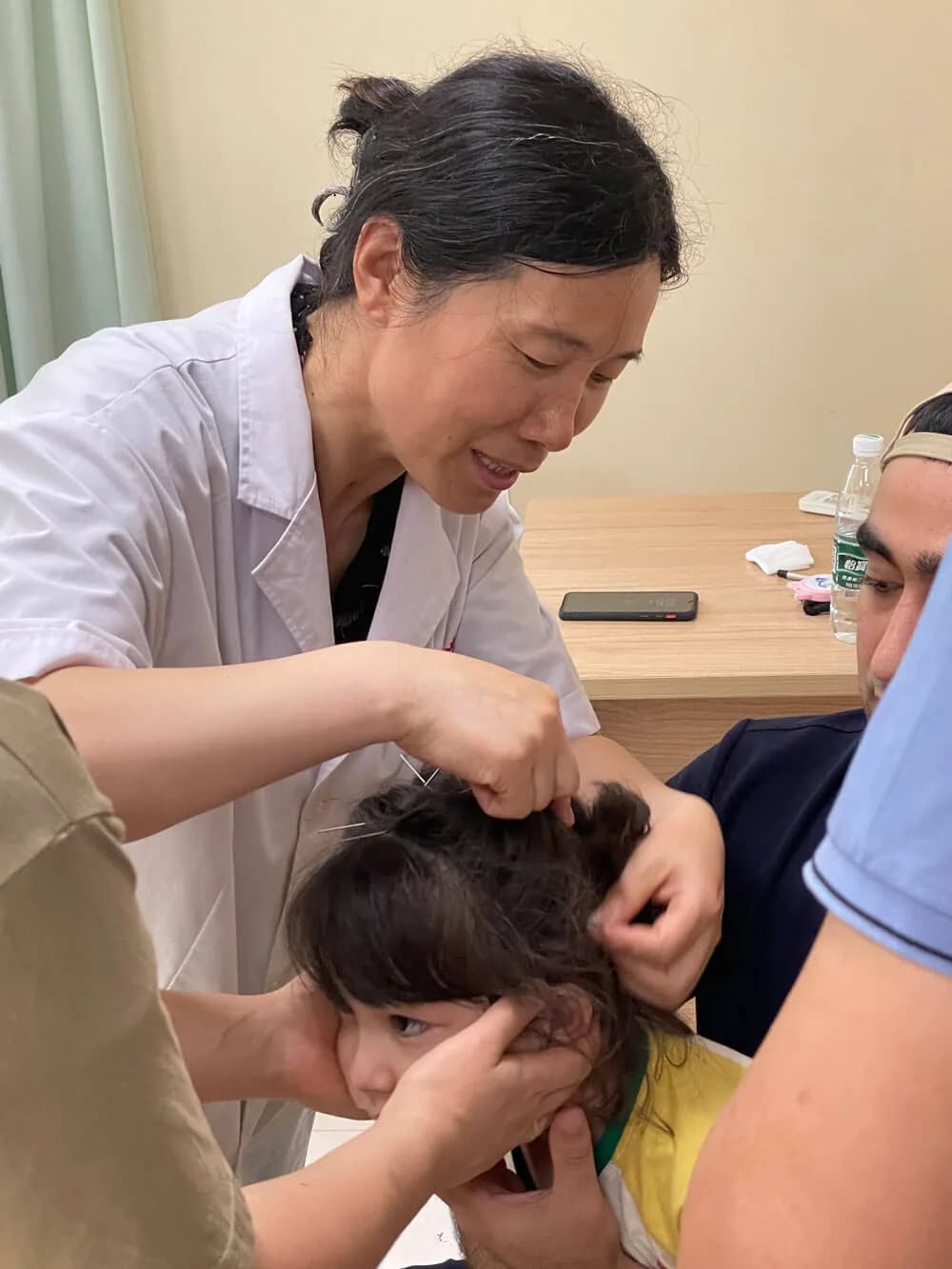
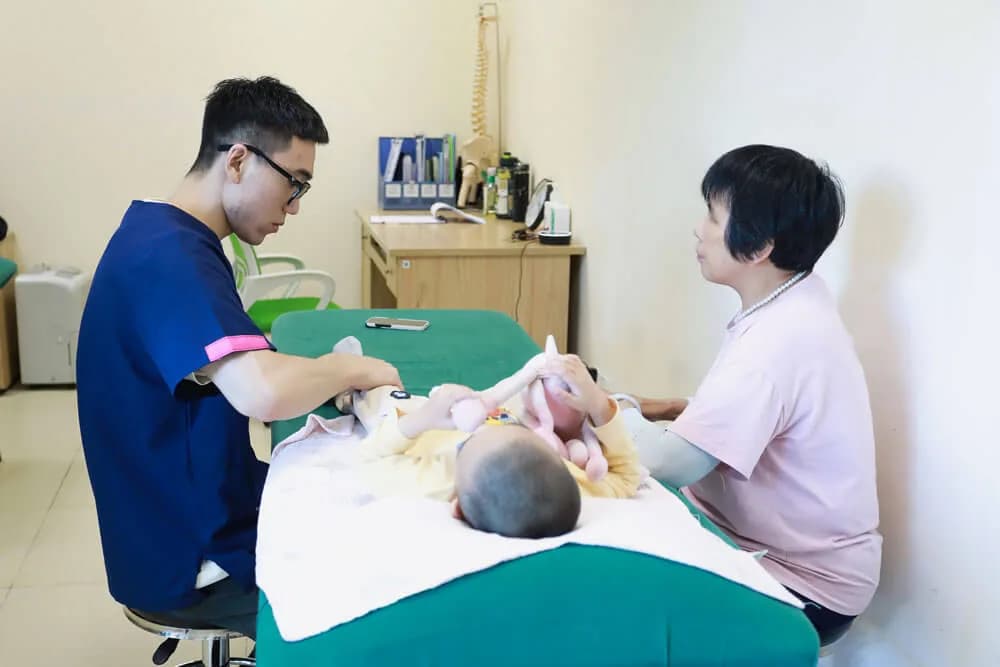
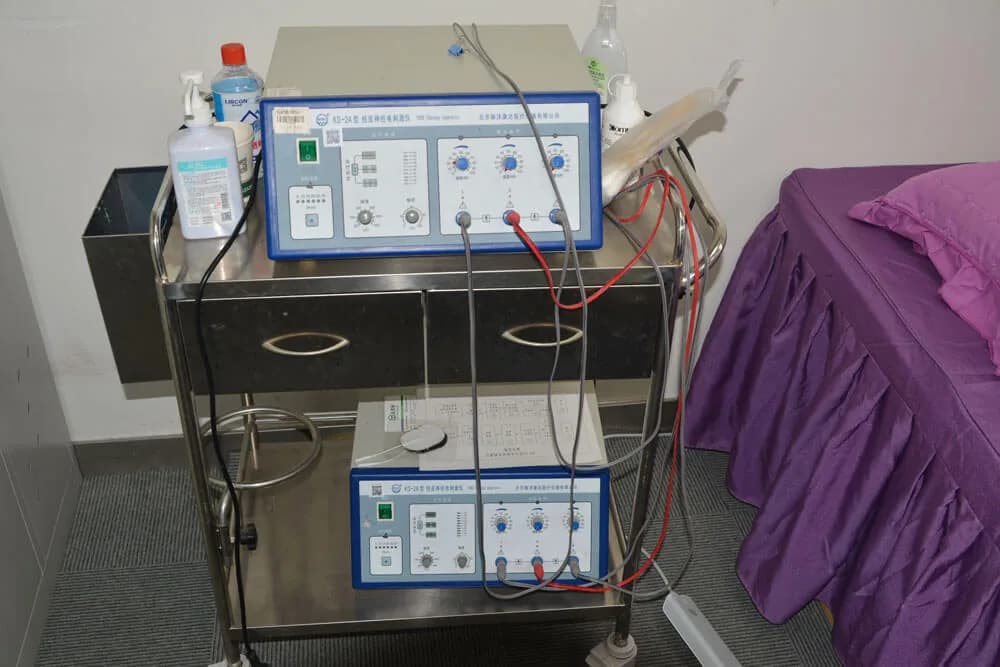
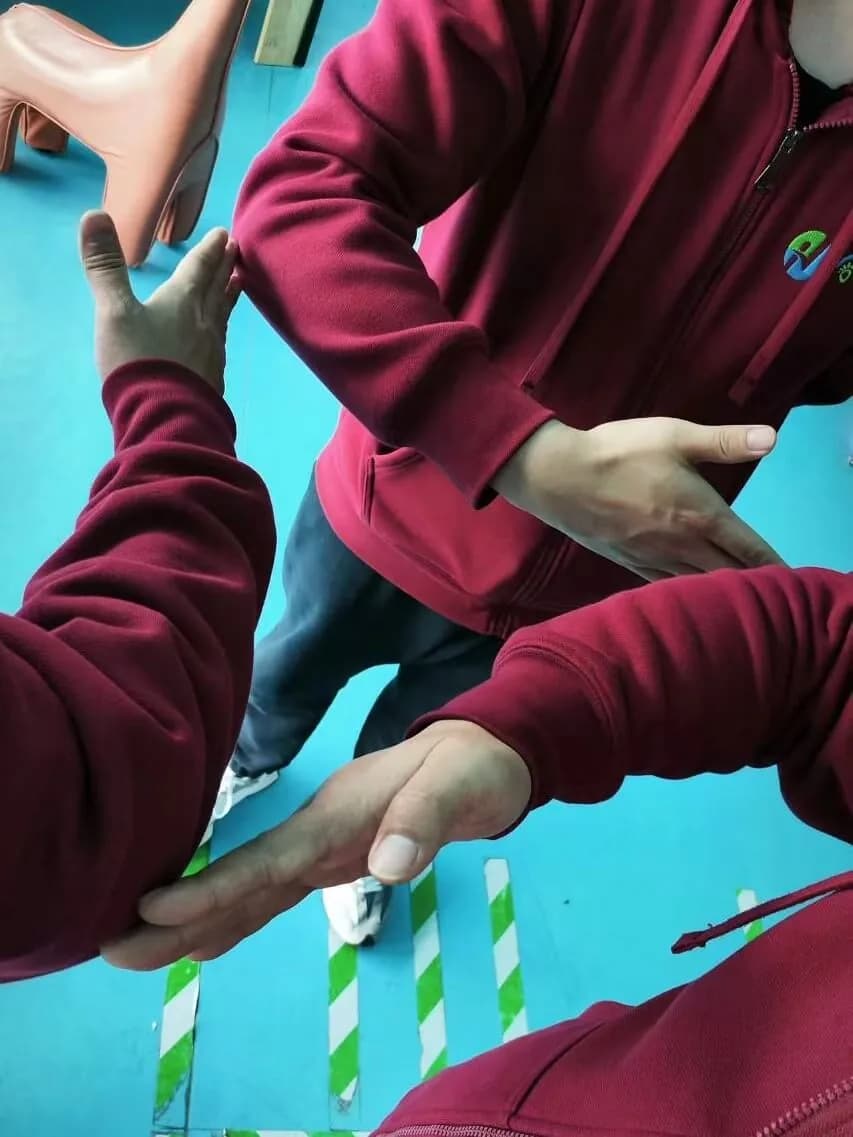
The program proceeds in stages. Stage one (week 1–2 post-op) is gentle management: assessment of post-op status, pain control, complication prevention, beginning of passive mobilization. Traditional Chinese medicine helps a lot here — acupuncture for pain control and edema reduction, gentle Tuina, physiotherapy.
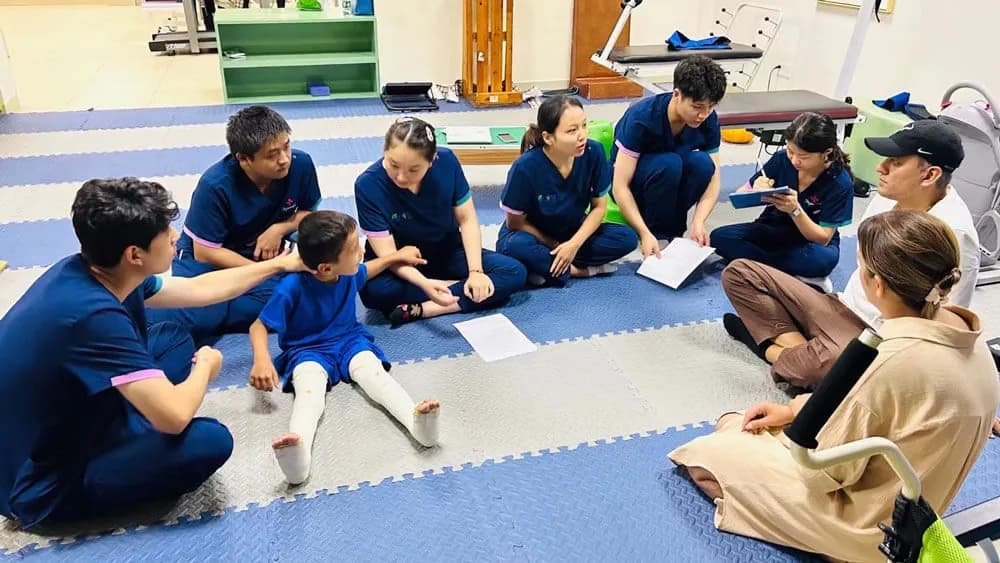
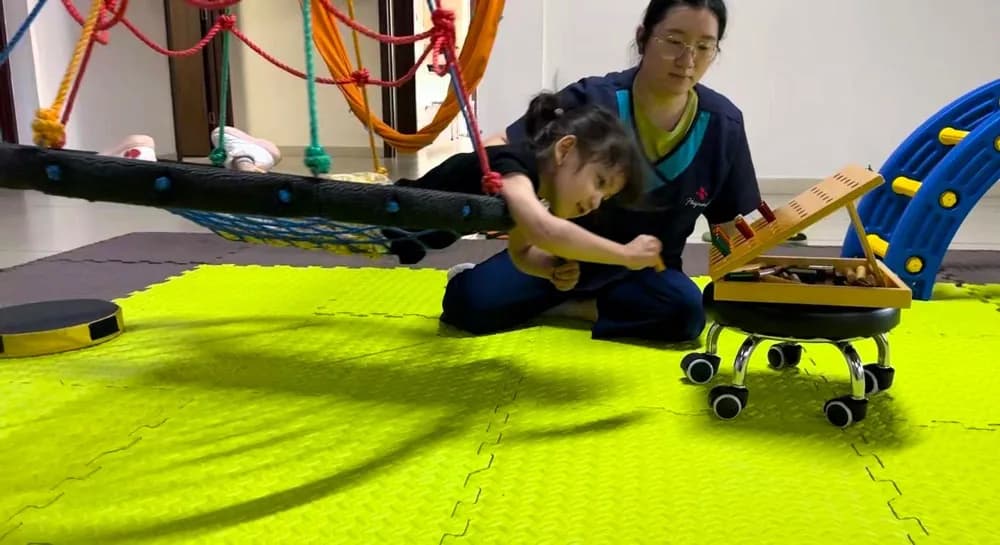
Stage two (week 3–6) is active rehabilitation. Gradual load increase, kinesiotherapy focused on functional movement, gait pattern restoration (when applicable). We add CME — dynamic activation of motor cortex zones, especially effective after SDR. In parallel an occupational therapist (return of daily skills) and, if needed, a speech therapist work with the child.
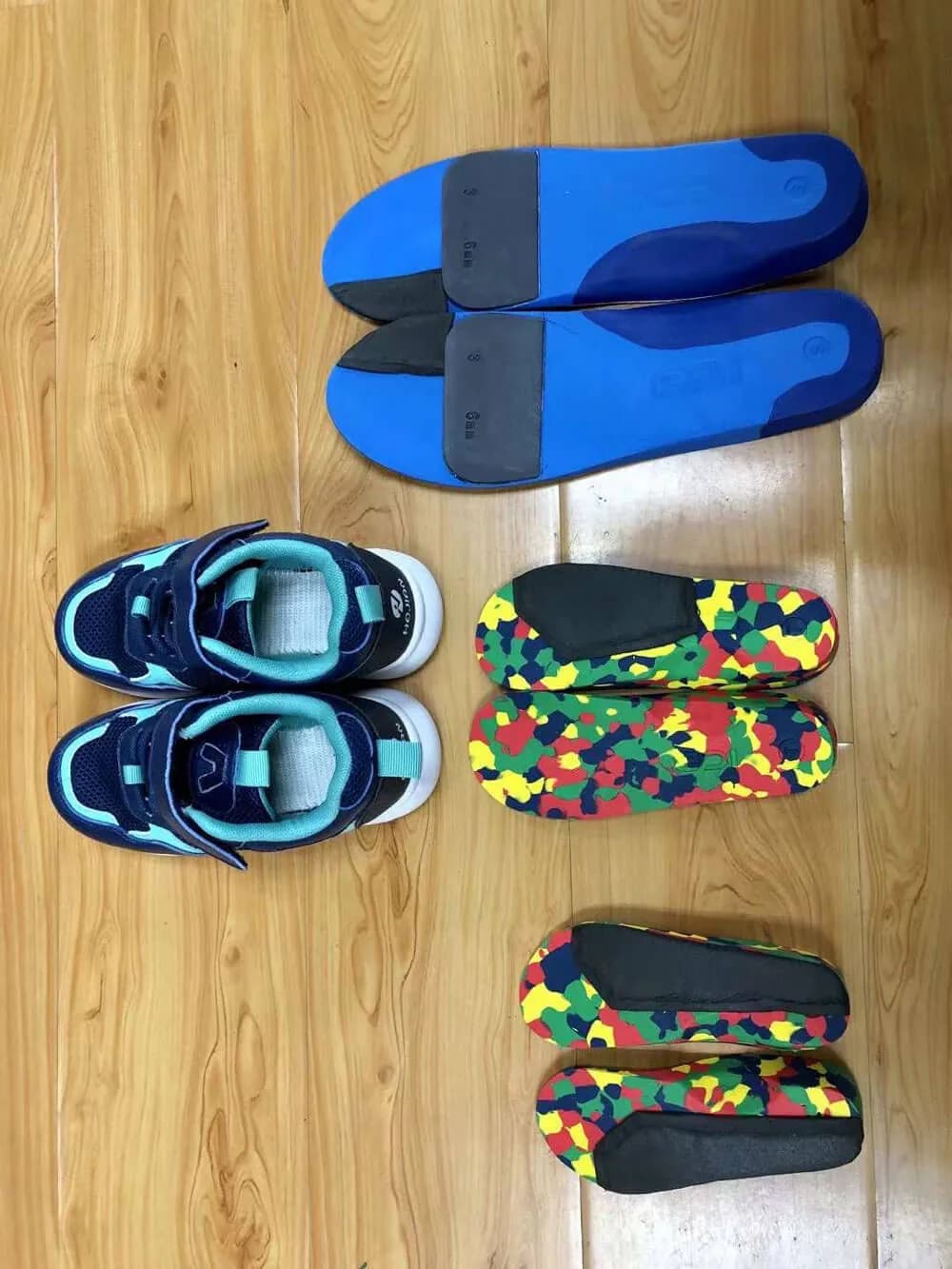
Stage three (week 7–12) is consolidation and functional expansion. Correction of residual deformities via biomechanical insoles or modified Ponseti. Psychomotor rehabilitation (PMT) to restore confidence and coordination. Parent school and a detailed home program. All stages are connected into a single multidisciplinary program, and the referral is coordinated with the operating surgeon.
The typical program length is 3 months. The goal is to consolidate the surgical effect and form new movement patterns; without full rehabilitation, many surgical effects regress within a year.
Indications for surgery
Persistent spasticity unresponsive to conservative therapy (especially in CP GMFCS 2–4), hip deformities with dislocation risk, fixed equinus contractures, severe scoliosis, torsional deformities of long bones. Indications for surgery are always set on the basis of a multidisciplinary assessment.
Post-operative findings
Transient hypotonia after SDR (typically 4–6 weeks), post-op range-of-motion restrictions, local edema and pain, temporary regression of some functional skills. These are natural findings, manageable with the right rehabilitation program. Without intervention they may become permanent.
Pre-op and post-op assessment
Pre-op — functional assessment via GMFCS/MACS, gait video, X-rays, MRI if needed. Surgical goals are aligned in advance with the rehabilitation plan. Post-op — range of motion, pain level, complications, motor function trajectory tracked weekly. The final assessment at 3 months is compared with the pre-op baseline.
Prognosis
With a full 3-month rehabilitation course the surgical effect lasts for years — we record durable functional gains in 89% of patients. Without rehabilitation partial regression within 6–12 months occurs in most. We recommend follow-up support courses at 6 and 12 months after the initial program.
How we treat
Diagnostics
Comprehensive examination and patient assessment by an international team of specialists
Treatment plan
Development of an individual rehabilitation program considering diagnosis specifics
Therapy
Intensive course of procedures: physical therapy, massage, physiotherapy, acupuncture and other methods
Results
Progress evaluation, home recommendations and maintenance therapy plan
Procedures for treating Post-surgical Rehabilitation
Questions about treatment of Post-surgical Rehabilitation
Book a free consultation
A doctor will review your documents and provide recommendations within 30 minutes.