Treatment of ASD in Huizhou
The program for children with autism spectrum disorders at NeuroLife Huizhou rests on two pillars: international VB-MAPP/PEP-3 assessment and combined ABA therapy plus sensory integration plus traditional Chinese medicine. On top of behavioral work we use Tuina massage, gentle acupuncture, and individually selected herbal blends to normalize sleep and reduce anxiety.
What is Autism Spectrum Disorder?
Autism spectrum disorders (ASD) are a group of conditions characterized by persistent deficits in social interaction and communication along with restricted, repetitive patterns of behavior. ICD-10 lists ASD under F84 with subforms: childhood autism (F84.0), atypical autism (F84.1), Asperger's syndrome (F84.5), and others. Onset is typically before age 3, but the global mean age at diagnosis is 19–21 months, which makes early identification a key factor.
At NeuroLife Huizhou we build the program individually around the results of international assessment with VB-MAPP (Verbal Behavior Milestones Assessment and Placement Program) and PEP-3 (Psychoeducational Profile). The course lasts 3 months and combines evidence-based behavioral work with traditional Chinese medicine:
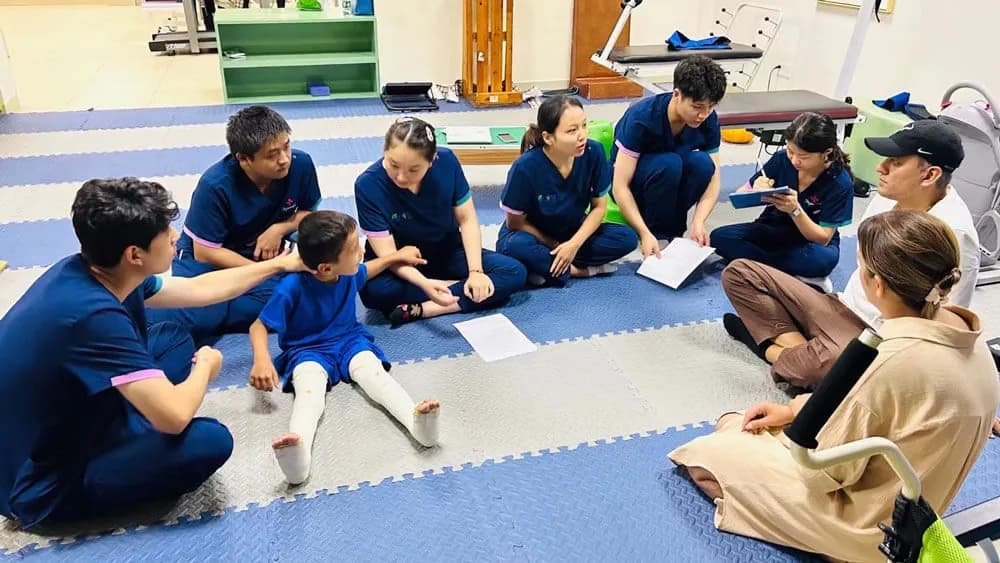
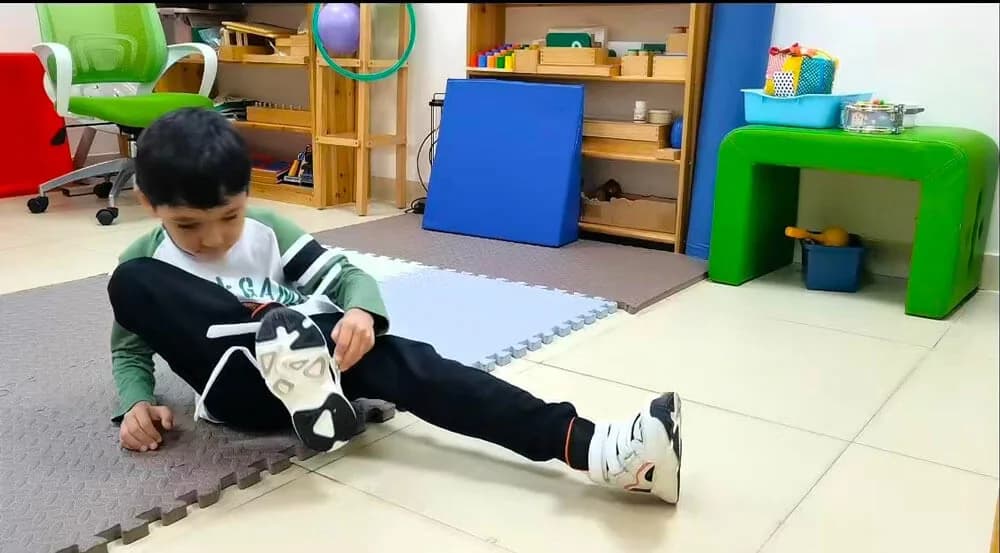
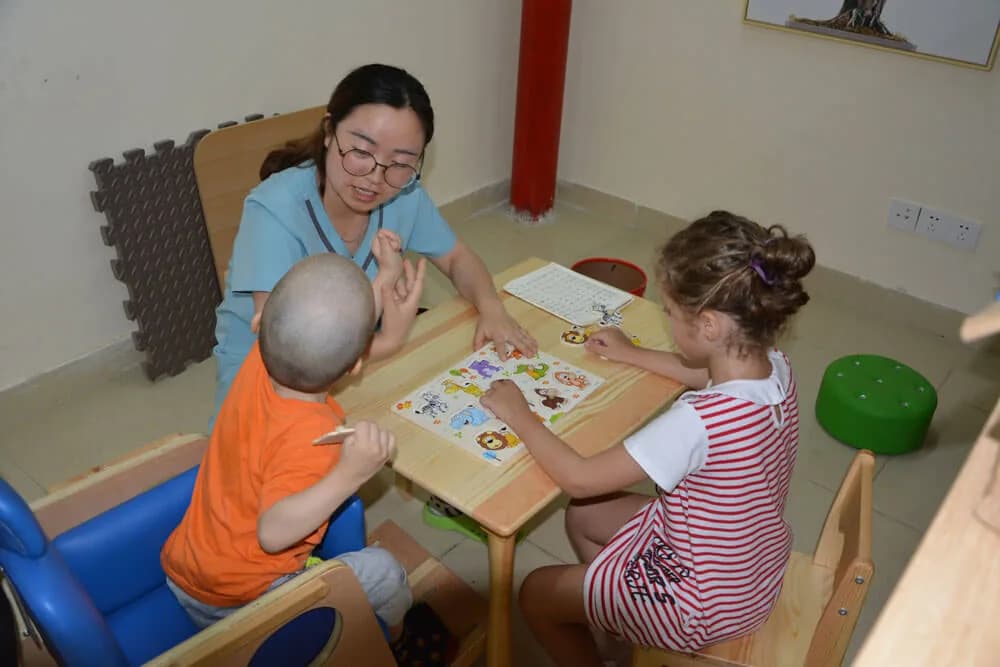
- Behavioral therapy in the ABA tradition (Applied Behavior Analysis) — structured one-on-one sessions practicing communication and social skills through a system of positive reinforcement;
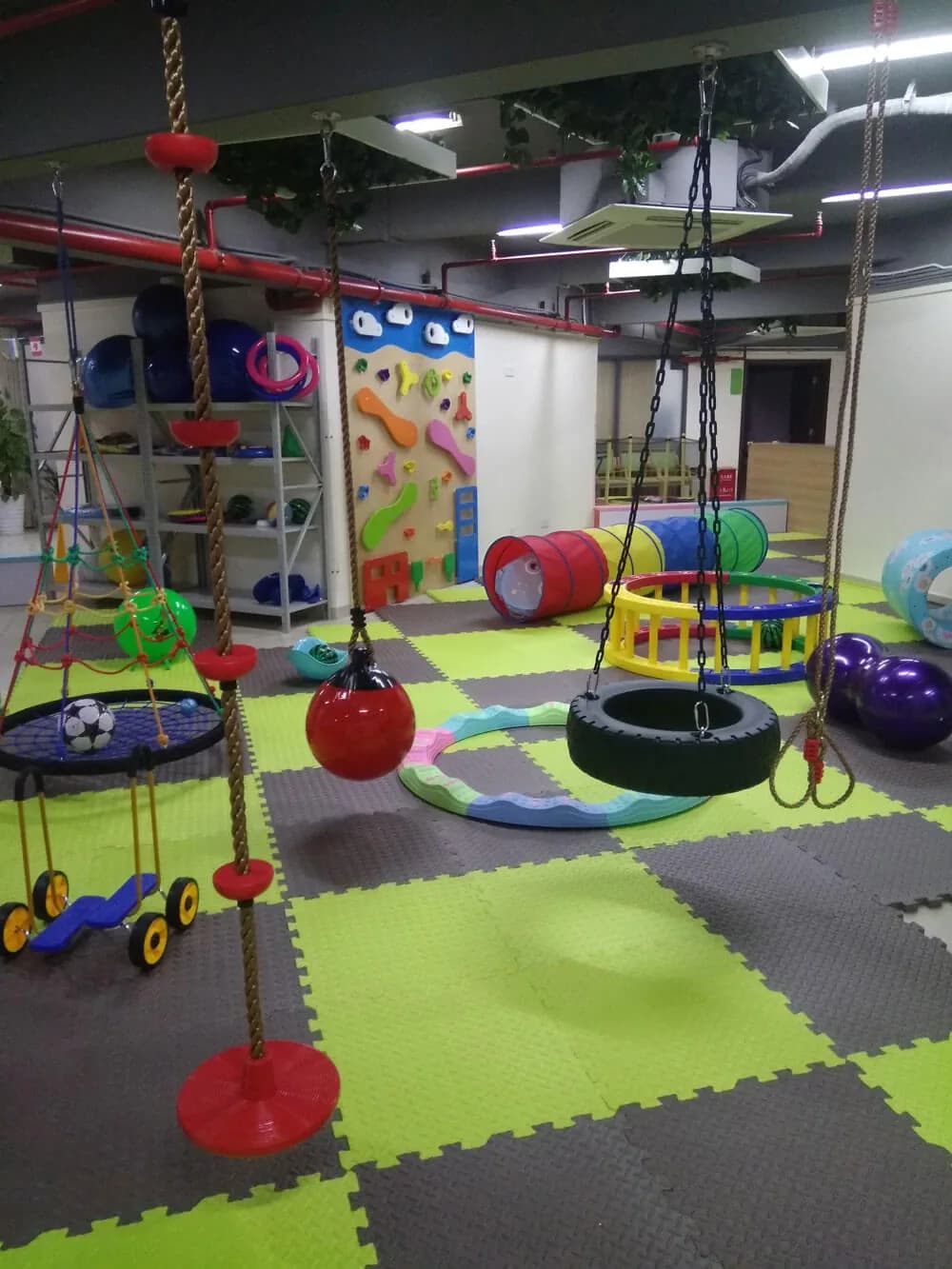
- Sensory integration in a specially equipped sensory room — regulating responses to tactile, vestibular, and proprioceptive input;
- Speech therapy and occupational therapy — developing speech and everyday skills;
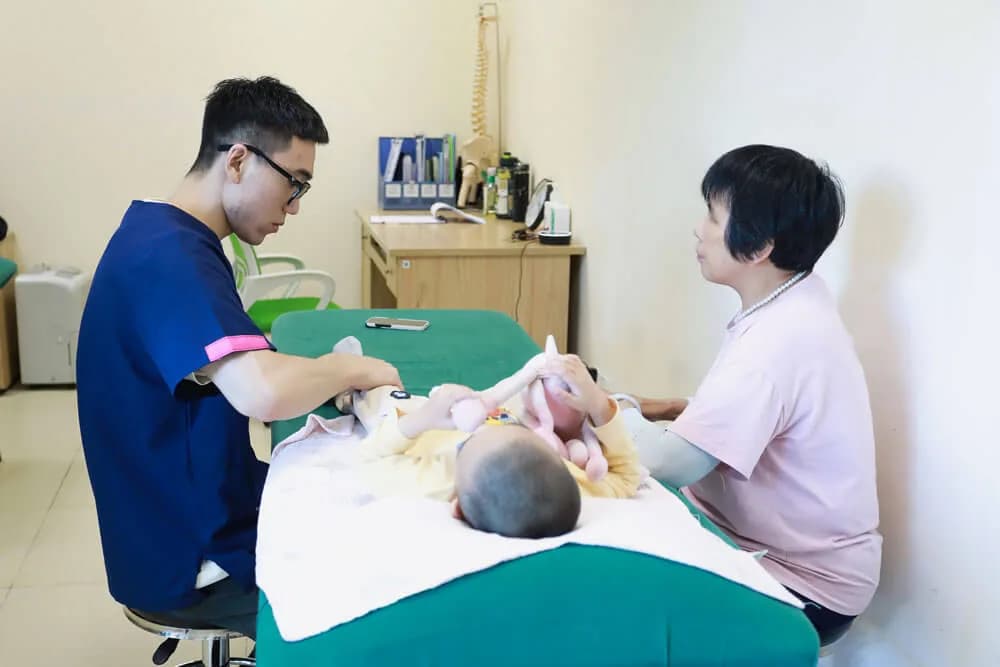
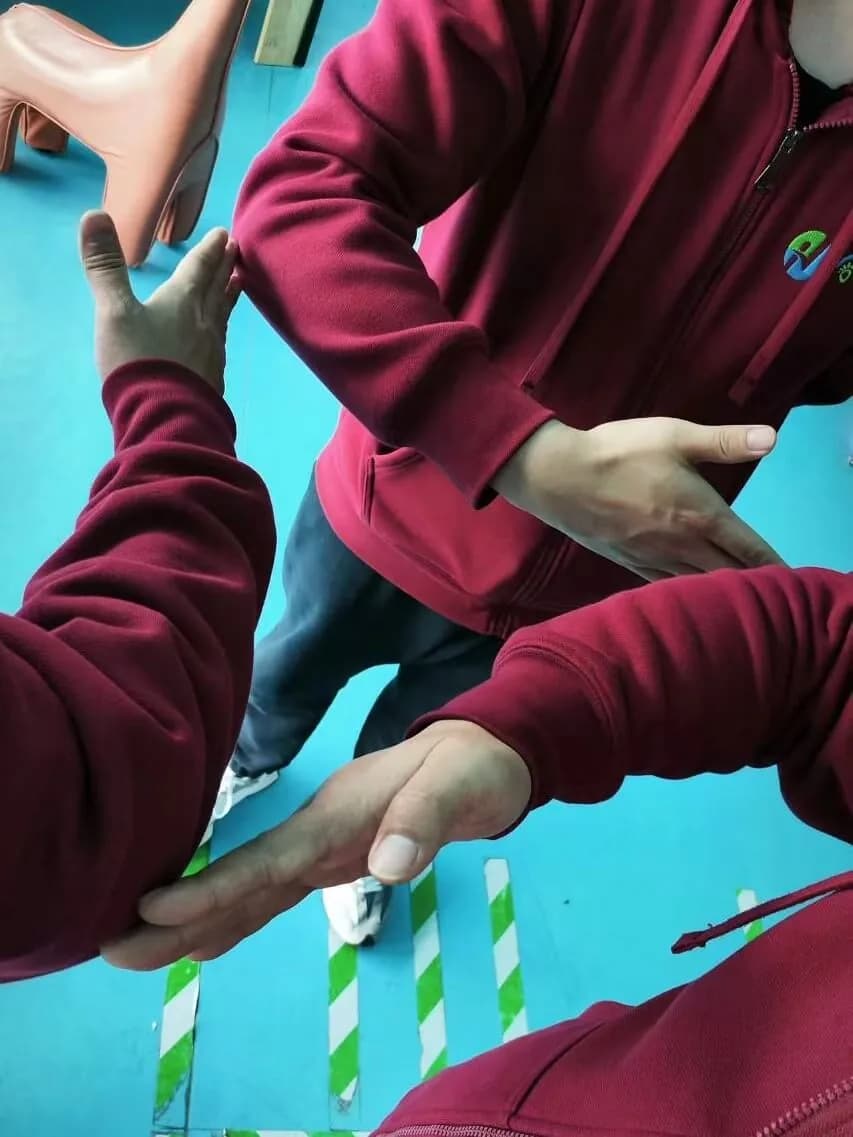
- Tuina massage — normalizing tone and arousal levels;
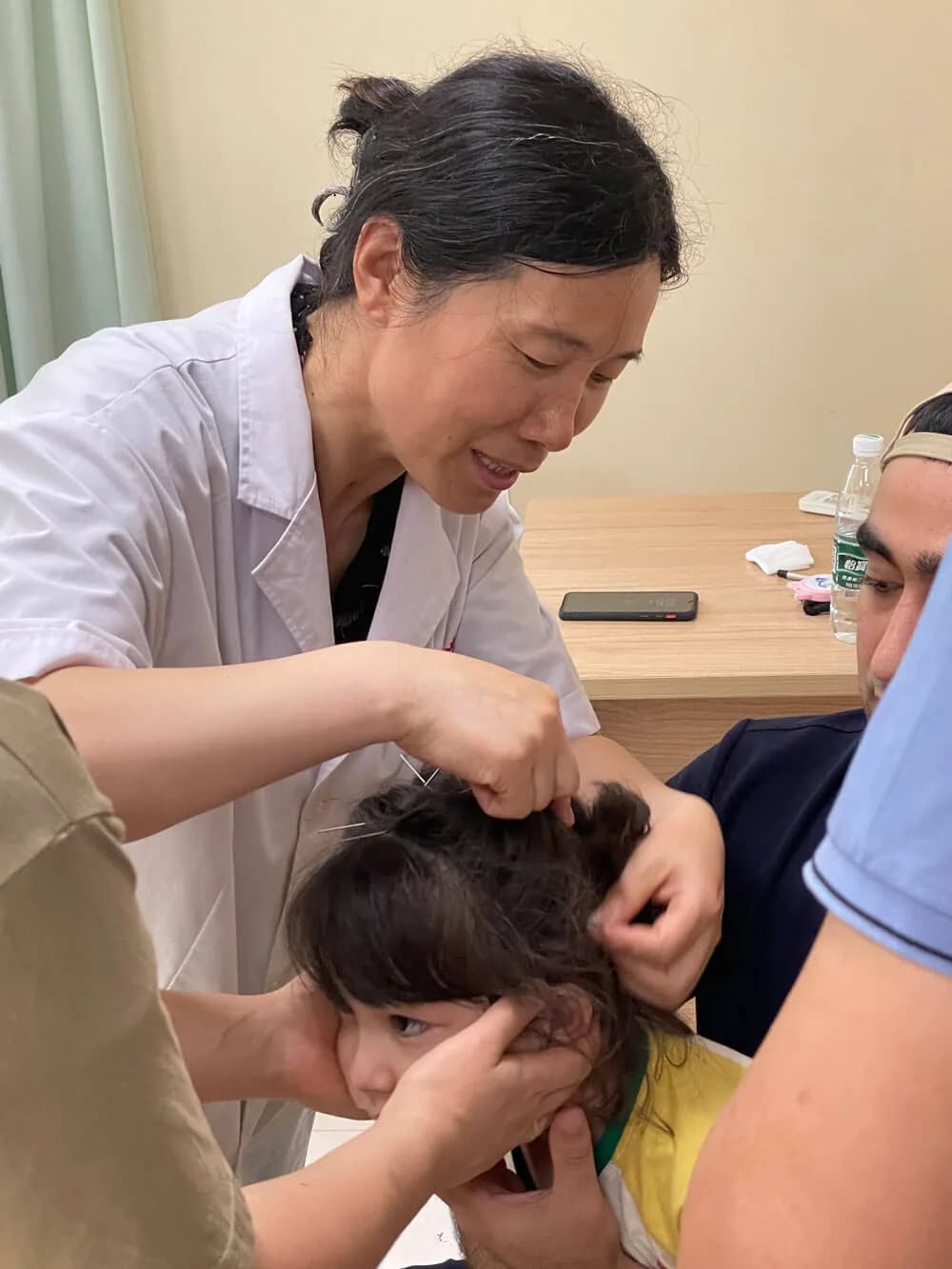
- Gentle acupuncture following a pediatric protocol (thin needles, short exposure) — regulating the nervous system;
- Individually selected herbal blends — for insomnia, anxiety, and hyperactivity; the formulas are certified and proven over decades of clinical practice.
A mandatory part of the course is the parent school: during this time the family learns the principles of DTT, reinforcement methods, and how to organize the home environment. All streams are connected into a single multidisciplinary program, and the load and goals are revised as the course progresses.
Causes
ASD is a multifactorial condition. Current science attributes a leading role to genetic factors (more than 200 genes are associated with ASD) combined with epigenetic and environmental prenatal influences. There is no single cause. ASD frequently co-occurs with genetic syndromes (Fragile X, tuberous sclerosis, Rett).
Symptoms
Social communication: absent or avoided eye contact, limited joint attention, difficulties with turn-taking play. Speech: delayed onset, echolalia, egocentric speech, lack of dialogue. Behavior: stereotyped movements (rocking, hand-flapping), rituals and resistance to change, narrow intense interests. Sensory features: hyper- or hypo-sensitivity to sounds, touch, food textures. Sleep disturbances, hyperactivity, and epileptic episodes are common comorbidities.
Diagnostics
The standard is clinical assessment per DSM-5/ICD-11, supplemented by VB-MAPP, PEP-3, ADOS-2 (where available). At our center we use VB-MAPP and PEP-3 as the base diagnostic package, plus clinical observation across several sessions, speech assessment, and a motor and sensory profile evaluation. EEG is added when indicated to rule out an epileptic component.
Prognosis
Early intensive intervention (before age 3) yields the best outcome — in a subset of children we reach a level of functional adaptation that allows mainstream schooling with minimal support. Comorbid conditions (sleep disorders, hyperactivity, epilepsy) are treated in parallel. We recommend repeating the program twice a year, focusing on consolidating skills and addressing specific difficulty areas.
How we treat
Diagnostics
Comprehensive examination and patient assessment by an international team of specialists
Treatment plan
Development of an individual rehabilitation program considering diagnosis specifics
Therapy
Intensive course of procedures: physical therapy, massage, physiotherapy, acupuncture and other methods
Results
Progress evaluation, home recommendations and maintenance therapy plan
Procedures for treating Autism Spectrum Disorder
Questions about treatment of Autism Spectrum Disorder
Book a free consultation
A doctor will review your documents and provide recommendations within 30 minutes.