
Discussing medicines or gene therapy for Duchenne muscular dystrophy does not remove a child's everyday needs: comfortable sitting, moving around, using their hands, resting and taking part in family life. Rehabilitation helps identify support for these activities. It does not correct the genetic cause of Duchenne or replace neuromuscular, cardiac and respiratory care.
Rather than choosing between a medicine and rehabilitation, families need answers to two related questions: which medical treatment is appropriate, and what support does the child need in daily life now?
Start with what the child can do today
A diagnosis alone does not define an individual programme. Current movement, fatigue, joint range, positioning, pain and existing support all matter. For a family, these may appear as practical difficulties: reaching a classroom, remaining comfortable in a chair or using a hand for a familiar task.
The international Duchenne care considerations link rehabilitation to regular functional assessment and individual needs. Changes in familiar abilities also need review. Assessment is more than counting how many exercises a child completes.
Before discussing a stay, identify a few priorities with the clinical team. Comfortable seating and access to everyday activities may require separate decisions. These are examples of discussion topics, not a programme suitable for every child with Duchenne.
More effort does not automatically mean more benefit
The idea that weak muscles simply need harder training is not an appropriate starting point in Duchenne. Guidance distinguishes manageable activity from exercise that may cause overexertion. High-resistance and eccentric exercise, in which a muscle lengthens under load, are not recommended as routine strength training.
Parent Project Muscular Dystrophy emphasises rest, appropriate activity and attention to fatigue. The plan depends on current function and tolerance. An article cannot prescribe weights, repetitions or session length.
If familiar activities become noticeably harder after a programme change, discuss tolerance with the team. Do not independently increase the workload to make up for missed sessions.
Joint movement, positioning and daily activities
Rehabilitation may involve joint range, positioning, orthoses and other supports. A practitioner selects the specific measures following assessment. Stretching is part of individual care, rather than a test of how far a joint can move.
A contracture is a persistent restriction in joint movement. Maintaining range matters, but not every contracture can be prevented even with appropriate care. A promise of “no contractures” overlooks that uncertainty.
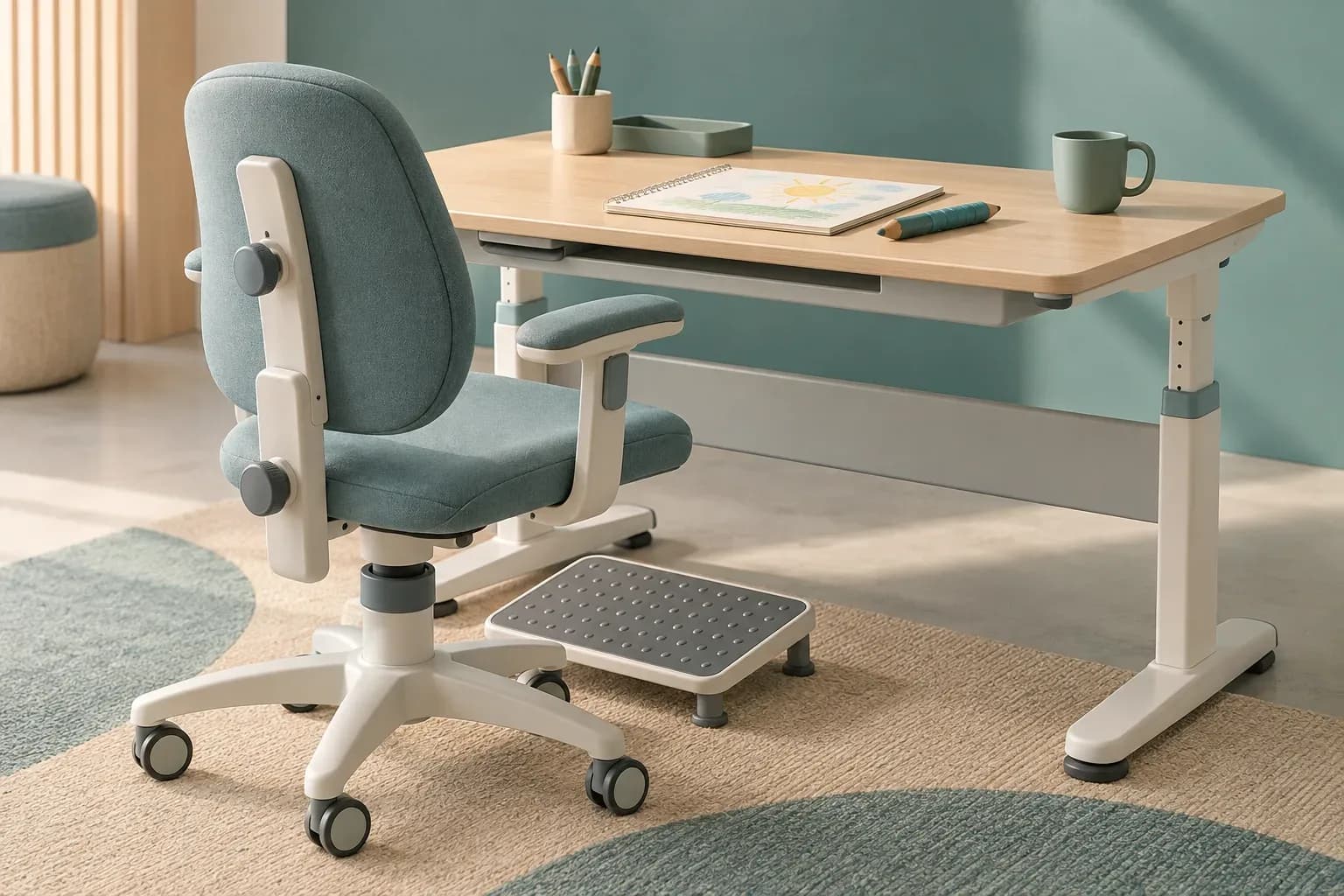
Support can also involve the environment: comfortable seating, reaching objects, writing or using familiar devices. Discuss a programme through agreed tasks and observations, rather than an undifferentiated percentage of “improvement”.
Heart and breathing care remain separate responsibilities
Duchenne affects more than movement of the arms and legs. Part two of the international care considerations addresses respiratory and cardiac management, among other areas. Rehabilitation sessions do not replace these forms of care.
Before travelling, discuss the journey and proposed programme with the child's usual team. Receiving practitioners need current prescriptions, restrictions and information about existing support. Breathing exercises should not be presented as a universal substitute for specialist respiratory management.
Coordinate rehabilitation with treatment decisions
A specialist team determines whether a particular treatment is appropriate, using the child's medical information and the applicable rules for that treatment. A medicine mentioned in the news or another family's story does not establish eligibility for an individual child.
A rehabilitation stay should not be described as a replacement for gene therapy or as compulsory preparation for an injection without an individual clinical plan. If treatment is planned or has already taken place, the teams need to coordinate restrictions, monitoring and activity. Medicines should not be changed independently to fit a rehabilitation stay.
Questions to ask before choosing a programme
- Who will assess current abilities and coordinate with the child's usual team?
- Which specific goals are proposed, and how will observations be recorded?
- How will fatigue, heart function and breathing needs be taken into account?
- What written guidance will the family receive for home?
- How will the plan change if the child's tolerance differs from expectations?
These questions help assess a particular offer. The number of sessions or length of a trip does not by itself establish whether a programme is appropriate for Duchenne.
Enquiring about NeuroLife
If you are considering NeuroLife, ask the coordinator whether the case can be considered and how to submit existing medical reports. Before deciding to travel, clarify who will assess medical limitations and which goals might be proposed for your child.